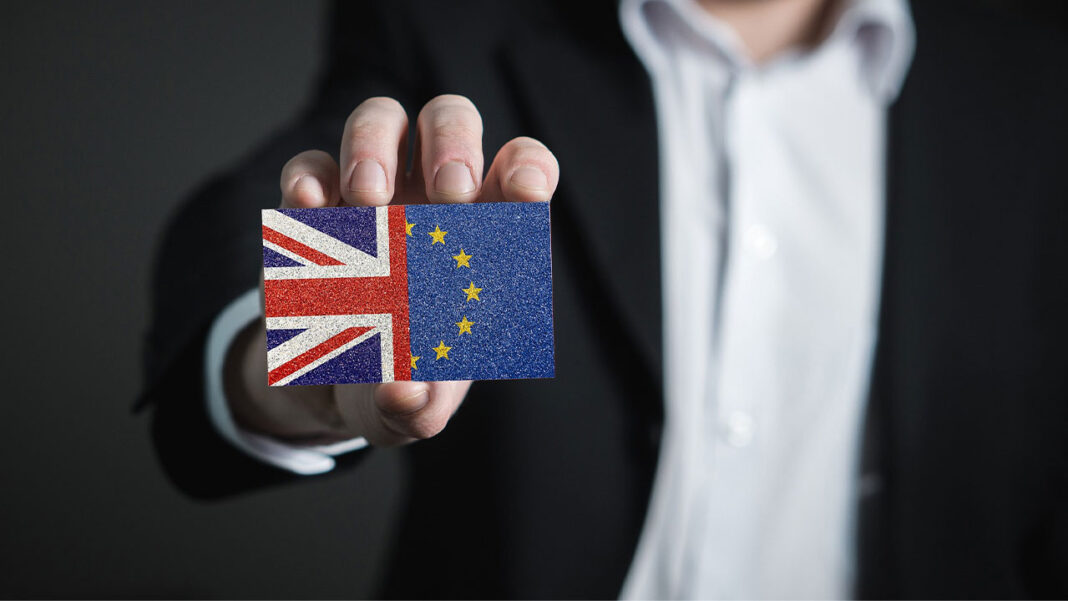

British Prime Minister Andy Burnham told European Council President Antonio Costa that London should be bolder in pursuing closer ties with the European Union (EU). The meeting is due to a UK-EU summit intended this year, providing such an opportunity, said his office on Monday, 24 August ’26.
A Downing Street spokeswoman, referring to the two leaders’ talks, said that the British leader told Costa that Britain has to be bolder in terms of getting closer to the bloc.
That included building on the close defence and security ties that have already been forged between the UK and its European allies. It has been driving greater cooperation across all areas of the relationship.
The UK has made efforts to strengthen its trade relations with the EU. This is since it elected a Labour government 2 years ago in 2024. However, progress has been slow. As such, frustrations have been emerging on both sides about what the former member may expect outside the main institutions.

A spokeswoman for the British government said that the two leaders had agreed that the UK-EU summit intended for later this year may offer a beneficial platform to continue that work.
Burnham also met Luxembourg’s prime minister, Luc Frieden. This was while travelling to Kyiv. They discussed various mechanisms for increasing defence expenditure. The meeting included the Canadian-backed Defence, Security & Resilience Bank. Also, the Multilateral Defence Mechanism was launched by the UK, the Netherlands, and Finland, besides Poland.
Downing Street said that the two leaders discussed how the two schemes may complement each other.
The shift could give Britain greater influence over European security, trade and economic cooperation while preserving its position outside the EU. Burnham’s message also signals that London wants to move beyond the cautious pace of the previous reset and use the forthcoming UK-EU summit to secure tangible progress.
Ultimately, Burnham’s challenge will be turning political ambition into practical agreements that benefit businesses, workers and communities. A bolder European strategy may strengthen Britain’s economy besides security resilience. However, success may depend on balancing closer cooperation with domestic political sensitivities surrounding Brexit.