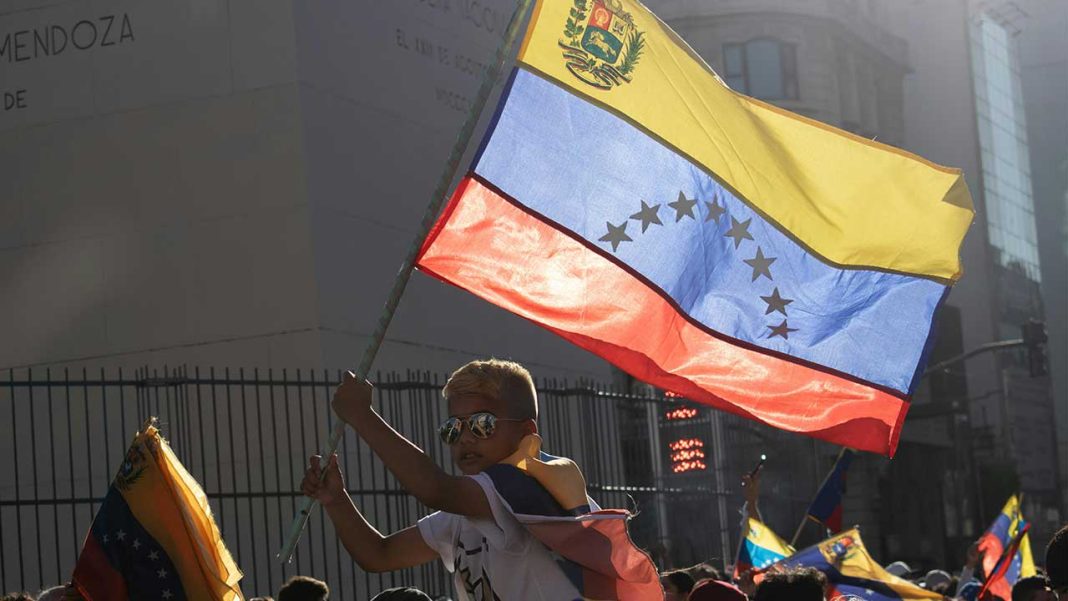

The rare unity of political forces in Sri Lanka was demonstrated when they expressed their concerns about the external pressures on Venezuela. This was from the major political streams, including the UNP and SLFP, along with various opposition forces.
According to these parties, external meddling violates both international law and sovereignty rights. The unanimity of such varied political forces underlines that the problems of Venezuela should be sorted out by its citizens themselves without foreign-imposed sanctions or the use of a threat of military intervention. This unified position reflects adherence to the principle of non-alignment and safeguarding national sovereignty as part of a more general distrust in unilateral moves on the part of global superpowers.
In addition to the political discontent within the country, the government’s diplomatic stance has been one of caution. The Sri Lankan government communicated a statement full of concern regarding the rising tension. The state position emphasises the importance of ensuring regional peace and stability; contrary to the call for external pressures, the statement stresses a peaceful internal political process within Venezuela. The process calls for all parties within Venezuela to engage in a democratic process with respect to the Venezuelan Constitution through a dialogue process.
While the Venezuelan crisis remains in the international spotlight, other Commonwealth states in the Asian region have also echoed Sri Lanka’s voice in stressing the importance of international law and the tenets of non-intervention. A major Commonwealth partner, the Republic of India has adopted a balanced foreign policy perspective, with its foreign ministry voicing “deep concern over the escalation of the situation” while emphasising the need for a “peaceful settlement through dialogue”. Another Commonwealth state, the Republic of Pakistan, has also highlighted the “essential need to abide by the United Nations Charter” in order to avoid “dangerous precedents in international relations.”
Malaysia has been particularly vocal, with Prime Minister Anwar Ibrahim referring to the external military intervention as a “clear violation of international law” and an “illegal use of force” against a sovereign state. Bangladesh, on the other hand, has reaffirmed its dedication to diplomacy, emphasising that engagement, not external pressure, should resolve national differences.
Collectively, these Asian members of the Commonwealth have a unified viewpoint on how the people of Venezuela alone have the right to decide on their future free of foreign intervention.