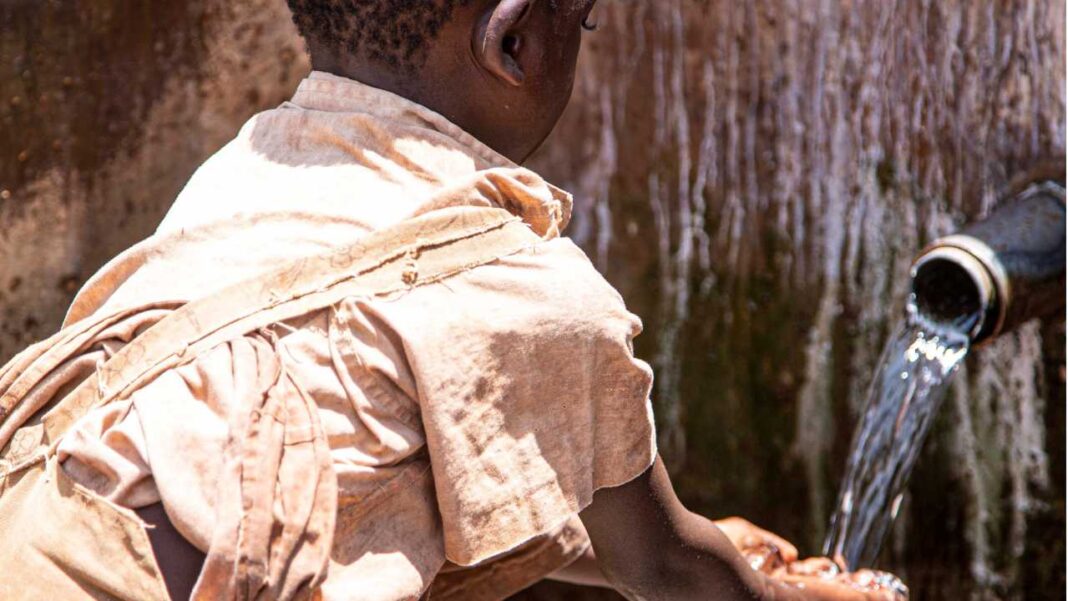

The reemergence of cholera in Cameroon continues to create havoc among the people in the country, and various health authorities are implementing emergency measures to deal with the rise in the number of individuals infected with the disease. The current cholera outbreak indicates that the people of Cameroon are having a tough time controlling the effects of the disease because of inadequate hygiene and sanitation systems in parts of Africa.
According to the disease surveillance data updated as of July 2026, the country remains at the center of the cholera epidemic that is also affecting other nations in the region, including Chad.
To contain the spread of the virus, public health authorities have increased the use of epidemiological surveillance and intensified laboratory diagnostics that aim to raise awareness in contaminated communities to prevent the spread of cholera in the region.
Cholera, an illness caused by the bacterium Vibrio cholerae, is a disease that is mainly transmitted through consumption of food or water that has been contaminated. Cholera can lead to dehydration in a very short amount of time after a person is infected, but it can be avoided as long as clean drinking water, sanitation, and access to health care are available. Most people having been infected with cholera manage to recover after getting treated with oral rehydration solutions, fluids, and antibiotics, which makes it a condition usually under control.
In Cameroon, health authorities face numerous challenges related to cholera for a variety of reasons. Floods, urbanization, and a rise in population are some of the factors in poor water quality and the rapid spread of cholera. These factors are certainly true for the African continent, as economic problems and catastrophes have already led to a rise in the incidence of cholera.
When we speak of the response in the case of Cameroon, it is wider than just hospitals. There are public health teams engaging in active case-finding, contact tracing, and promotion of hygiene in conjunction with locals to improve access to water. The international bodies have pointed out the need for long-term investments in water, sanitation, and disease surveillance from the point of view of preventing future epidemics and tackling crises.
The authorities in Chad are also vigilant because the increased cross-border movements of people have raised the risk of transmission and pointed out the necessity of cooperation.
As the government of Cameroon is trying to limit the outbreak, the country finds itself on the frontlines of the wider battle against cholera in Africa, a disease that reminds us how vital it is to have good public health systems.