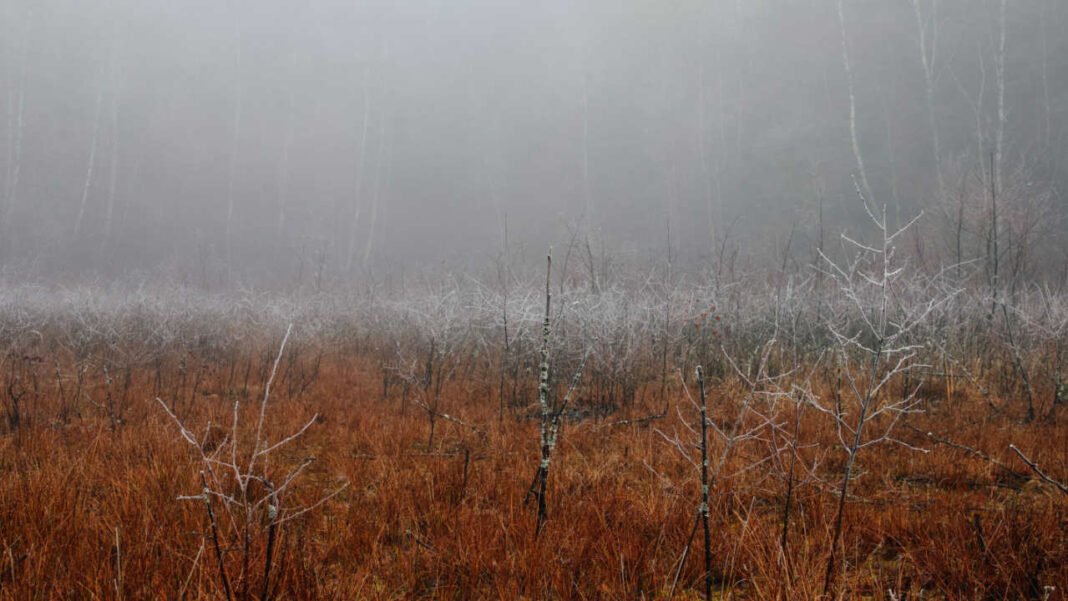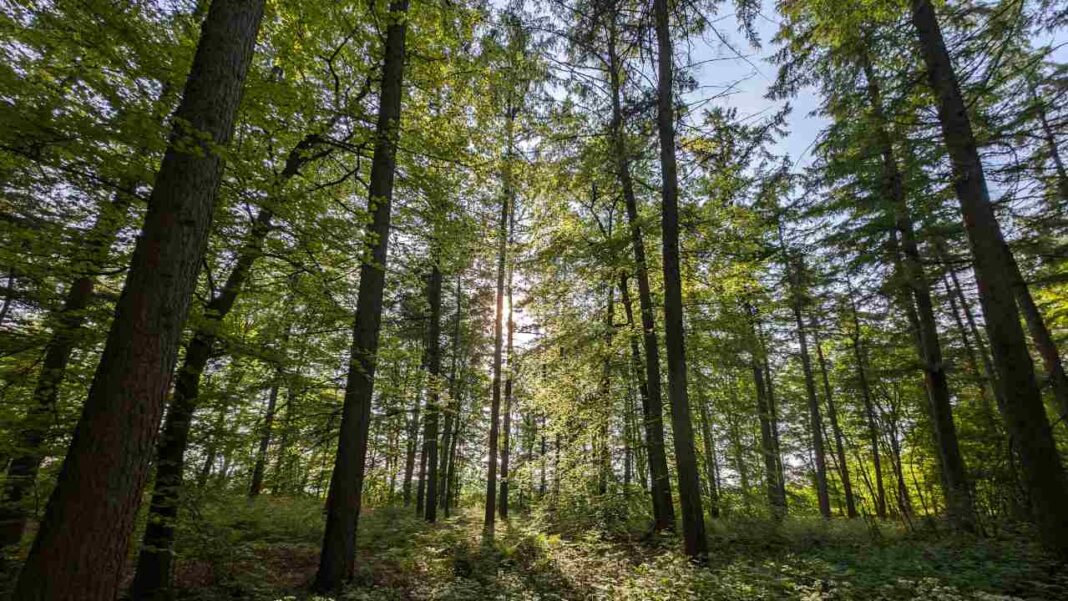

Kenya’s government has so far been unswayed by the considerable controversy over its decision to raze eight acres of the Imenti Forest in Meru County; they see the destruction of the Imenti Forest as an acceptable trade-off to conserve the much larger Mount Kenya ecosystem, which consists of approximately 600,000 acres of land. The government has also committed to the construction of a new airstrip as well as a dedicated base for firefighting efforts and enforcement against poachers, providing rapid access to assist injured individuals within bordering forests; these improvements should provide for greater accessibility for local communities that live adjacent to Imenti Forest during periods of drought when it can be difficult to cultivate crops.
The main issue is whether losing part of the forest for the larger Mount Kenya ecosystem is worth it, with the government arguing that the new airstrip will help the Kenya Forest Service and other agencies quickly reach remote areas where fires and illegal activities happen, allowing them to respond effectively to these problems. They contend that enabling aircraft refuelling, water bombing, and the deployment of emergency responders once inside the forest boundary will provide a very different outcome in terms of preventing ecological damage or allowing for ecological repair.
However, the conservationists believe that the decision sets a dangerous precedent. The Imenti Forest is considered a vital link between the Mount Kenya highlands and the northern rangelands and is rich in biodiversity. Critics say that with the massive construction underway, tarmac surfaces, and noise from aircraft, it is likely to cause disruptions to elephant migration routes and will worsen conflicts between humans and elephants. Additionally, the long-term impacts of deforestation will create irreversible damage to some of the most sensitive ecosystems in Kenya.
We are also seeing legal ramifications as a result of this project. Civil society groups are facing challenges with the environmental assessment process, which includes the EIA, the role of NEMA, and the necessity for increased consultation with local communities. The government agencies involved have promoted the idea that this project is a trade-off: that by losing a small area now, we will save a tremendous amount of ecologically, economically and socially valuable assets in the future. They have also stated that they will provide compensatory afforestation, but many will argue that it will be impossible to replicate an intact indigenous forest canopy with any number of seedlings.