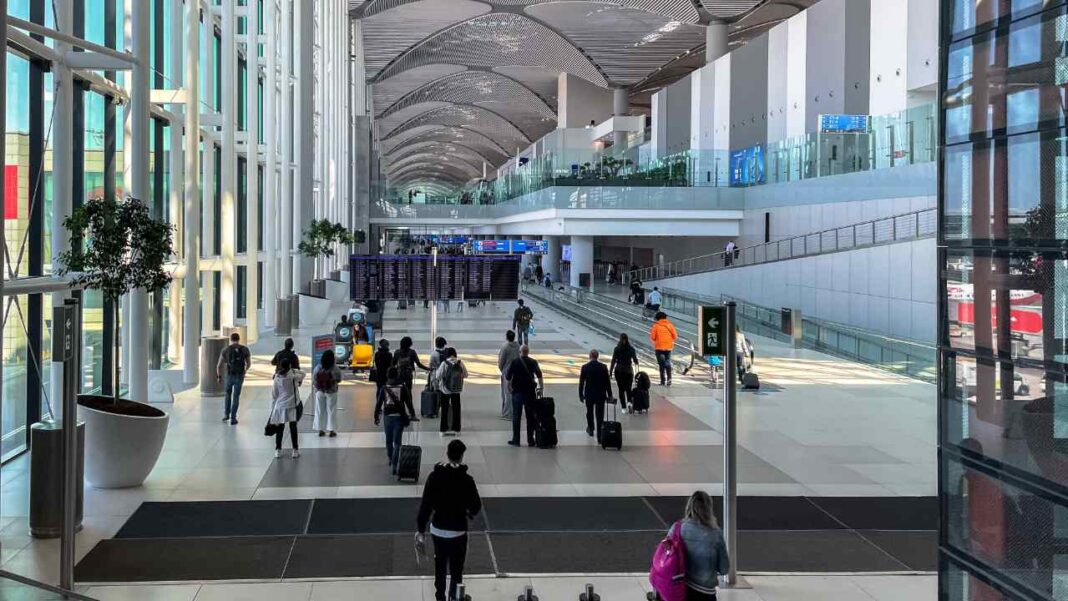

Kuwait’s aviation industry has once again received negative press with the recent incidents involving airport operations at Kuwait International Airport. This has caused disruption to the air travel system, affecting countries in the Gulf region, India, and Asia. These incidents demonstrate how fragile this traffic corridor can be, as a temporary issue can significantly impact the overall number of passenger travels. The recent events took place when geopolitical tensions were high in the region, forcing the airlines to modify their routine and ensure the security of their operations.
According to the recent reports by the airlines released on July 13, 2026, several flights were delayed, and many departures from Kuwait to such places as Riyadh, Dubai, and Delhi, among others, were canceled because of the changed flight schedule imposed by the airline companies working in the country. The airline companies had to change their operations in relation to the increased terrorist risks.
The consequences of the above event are far-reaching, affecting many aspects of life in the region. The above event has far-reaching consequences, as the region feels its impact. across the region. Airports in the Gulf are crucial links in the chain connecting Europe, Asia, and Africa, which means any local problems in one airport can affect international networks. According to aviation experts, airlines depend on aircraft rotating in and out of a hub at a specific time programmed by its operations department. This means that even a seemingly local disruption at a major hub can cause a chain reaction; the airline might find itself in trouble creating a schedule for the next flights and crew as well, thousands of miles away from the disruption authority.
The significance of the issue is that airlines from the Gulf region are also doing business in very dynamic traveling markets. Thus, for example, millions of passengers travel to and from the Gulf and India every year, participating in business or tourism activities.
Whenever there is a regional crisis, the aviation industry often shows its ability to withstand it. The airlines use complex flight planning systems, airspace monitoring in real time, and alternative routes to reduce any disturbances and to ensure customer safety. In this respect, experts advise that travelers should pay attention to notifications from both airlines and airports, as the situation can change rapidly, necessitating that they stay updated.
The happenings of July 2026 remind the world aviation industry how important not only engineering and effective airfields are but also some factors that are not connected with technology, including the political situation in the world. The aviation industry is interconnected and dependent on the conditions at airports, the operations of airline companies, and the overall state of the aviation sector.