


Just 2 weeks after Canadian Prime Minister Mark Carney announced in January ’26 that he may permit limited electric-vehicle (EV) imports from China. China’s largest auto exporter, Chery, held its first meetings with Canadian car dealers.
China’s national champion BYD is now the world’s largest EV maker. BYD intends to open 6 Canadian dealerships. BYD has told Reuters that they have already appointed an advisory firm for scouting prospective locations. Regulatory records reflect that BYD has also begun compliance procedures to import two passenger cars to Canada.
Lotus, a luxury sports car maker owned by China’s auto giant Geely, also intends to open half a dozen Canadian dealerships this year. The Lotus CEO, Qingfeng, in an interview pointed out that it is just to sell a few hundred cars. According to state-owned automaker Changan’s design chief, Klaus Zyciora, Changan already has a team working on a Canadian launch.
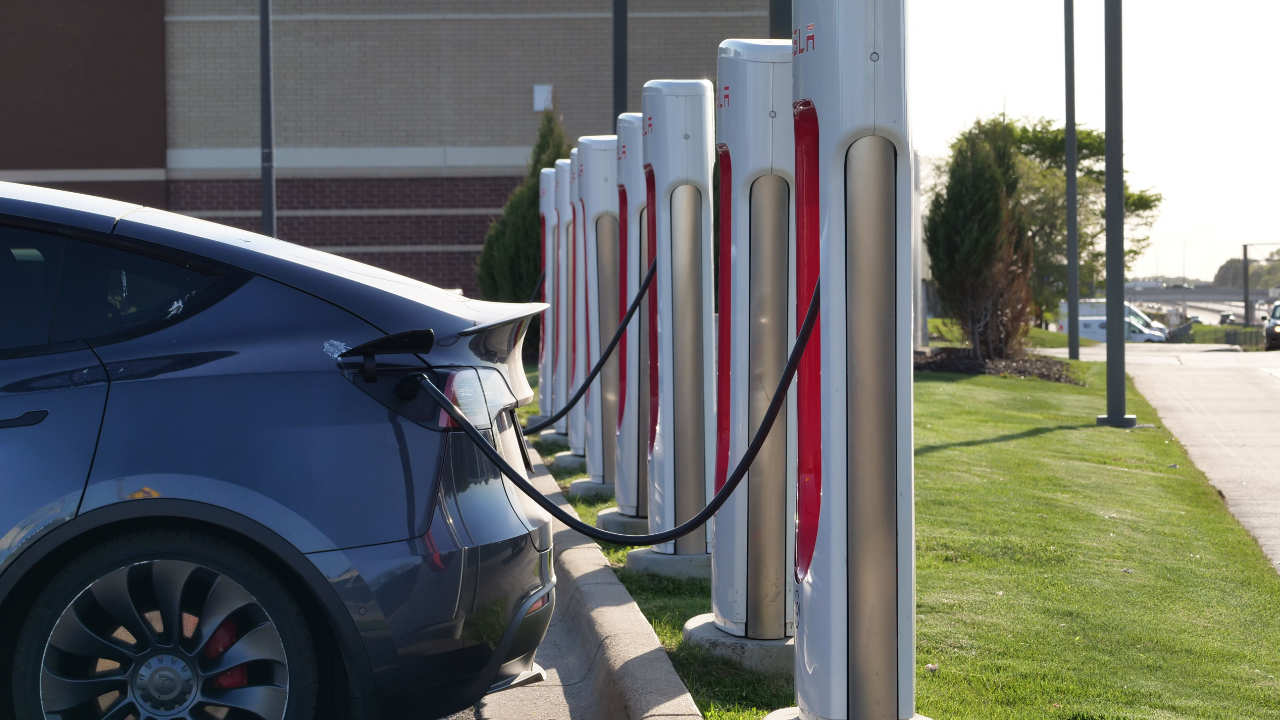
These Chinese automakers’ aggressive moves into Canada Here, we detail the aggressive moves of these Chinese automakers into Canada for the first time. Here for the first time. These plans proceed despite the limited prospects for sales and profits in Canada in the near future: Canada had approved imports of only 49,000 cars annually. The quota was at a low tariff rate of 6.1%. The quota was set to increase to only 70,000 cars over a period of five years. So, there’s little money in it. This is especially true once the small market has been divided in many ways.
However, Canada offers something far more valuable. Canada may be the perfect beachhead for what many industry experts view as the inevitable invasion of Chinese EVs to the U.S. This is despite current U.S. policies effectively banning them.
Chery’s international president, Zhang Guibing, told reporters at the company’s Wuhu headquarters in May ’26 that Chery definitely had intentions of selling cars in the U.S., adding that everyone has that idea.
Global co-leader of consultancy AlixPartners’ automotive practice, Dan Hearsch, said that Canada offers more than proximity to advance Chinese automakers’ U.S. ambitions. Unlike in Mexico, where cheaper cars rule, the Canadian car market’s identical to the U.S. in consumer tastes besides industry regulations. So, shifting to the U.S. later may likely be like ‘flipping a switch.’