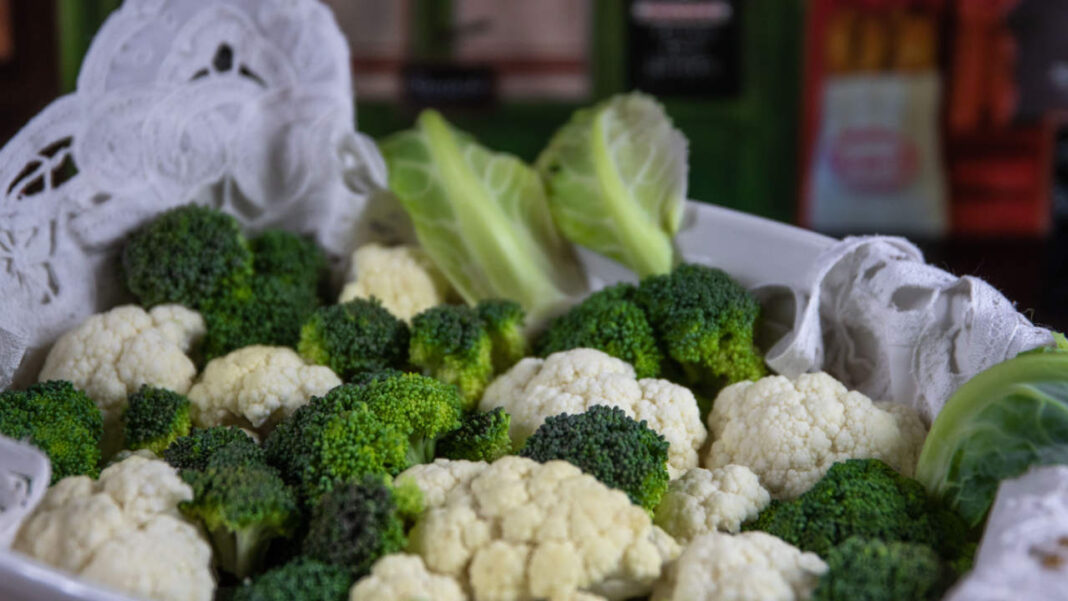

A new study says East Coast broccoli farms can help the country. They can lower costs and they can also cut reliance on California, where drought is common.
California grows most of the nation’s broccoli. But droughts there hurt water supply. This situation creates risk for the whole food chain. The new research looked at ways to resolve this problem.
The study appeared in the journal Agribusiness. Researchers built a model. It shows how moving some broccoli production east could help the country. It could make food supply chains stronger. It could also lower the risk from Western droughts.
The report also makes one thing clear. East Coast farms need good timing. Farms in different states must plant and harvest in order. They must move from south to north as seasons change. This keeps broccoli flowing all year.
A Model Built on Real Data
The study’s lead author is Bingyan Dai. She is a PhD student at Cornell. She works with Professor Miguel Gómez. He holds a top position at Cornell’s Dyson School of Applied Economics and Management.
“Our model can work for other crops too,” Dai said. Many crops face the same water problems. Many rely too much on one growing region.
Demand for broccoli keeps growing across the U.S. At the same time, Western water shortages are getting worse. Gómez said the team wanted to prove something important. The broccoli industry can stay strong even if it moves some growing away from California.
“Droughts affect shipments,” Gómez explained. “We wanted to show growers could shift production and still compete.”
How the East Coast Broccoli Boom Started
This isn’t a brand-new idea. In 2010, Cornell professor Thomas Björkman started the East Coast Broccoli Project. Gómez was part of that original team.
The project has grown into a $120 million industry. It took years of work. Scientists bred new broccoli varieties suited to Eastern soil and weather. These plants needed to produce the tight, uniform heads that shoppers expect. Organizers also built networks. These included farmers, packing houses, distributors, and stores.
Testing the Model Against Real Conditions
Dai’s supply chain model looked at two situations. One was a serious drought. The other was a milder one. In both cases, the model tried to determine the cheapest way to supply broccoli to East Coast buyers.
The model included many sources. These were California, Arizona, Mexico, Canada, and East Coast farms. It weighed production costs. It weighed shipping costs too. Then it found the best mix of locations for growing broccoli.
Ten States, One Growing Season
The East Coast broccoli region spans ten states. It stretches from Florida to Maine. Each state has its own growing window.
Winter broccoli comes from Florida and Georgia. By February, South Carolina takes over. Farms further north join in as spring turns to summer. Maine finishes the cycle. Its short season ends with a late-summer harvest.
“The beauty of broccoli on the East Coast is you can have a system,” Gómez said. “The region can supply product all year long.”
The Numbers Behind the Benefits
The study found real savings during severe droughts. Moving some production east cut total supply chain costs by 1.5%. It also cut shipping distances in the East by about 20%.
Still, the researchers were careful. California and Texas will always matter. Their broccoli production won’t disappear. But adding East Coast farms spreads out the risk. It builds a stronger, more flexible food system. “This is a way to minimize the risk and cost for everyone,” Dai said.
Harry Kaiser co-authored the study. He is a professor at Cornell’s Dyson School. The U.S. Department of Agriculture funded the research.
Why This Matters Beyond Broccoli
The broccoli story offers a bigger lesson. Other vegetable crops face the same risks. Many depend too heavily on Western states hit severely by drought.
Researchers believe their approach could work for other produce as well. Spreading production across regions may protect food supplies. It may also keep prices more stable for shoppers nationwide.