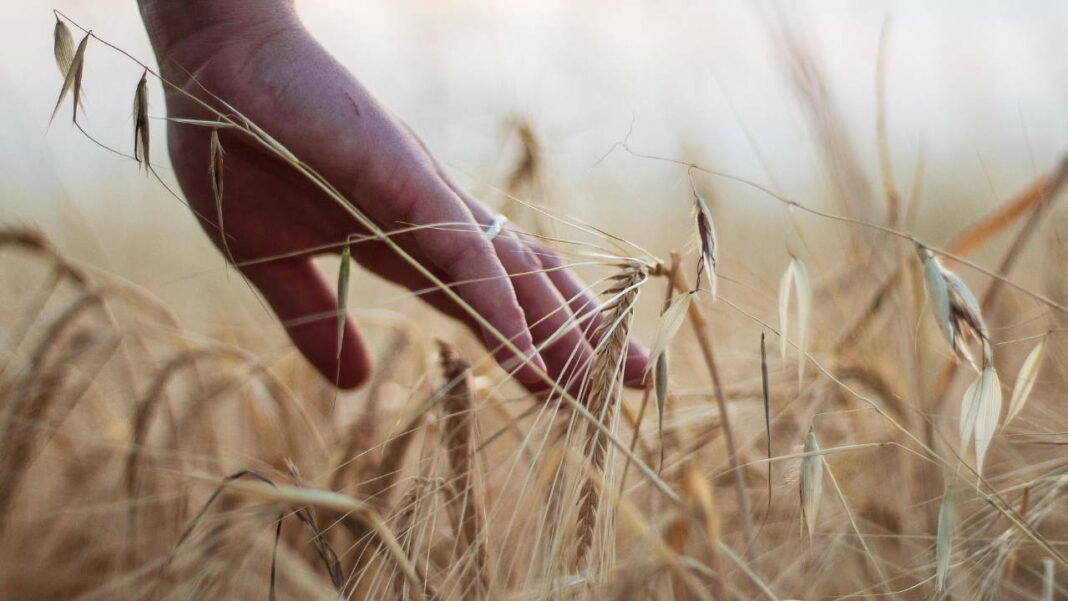

Farmers throughout Asia have been facing increased uncertainties due to rising temperatures and dry weather linked to the developing El Niño weather pattern, which has already started to affect agricultural production. From Southeast Asia’s rice fields to India’s grain farms and wheat-growing regions in Australia, these extreme weather conditions have impacted these areas, and concerns are now growing that these adverse weather situations could reduce harvests and place even further pressure on global food supplies.
Climate experts and meteorologists have sent out warnings that a strong El Niño event could end up emerging during the second half of the year 2026. The phenomenon, which normally occurs as the Pacific Ocean’s surface waters become unusually warm, ends up often altering patterns in weather throughout the entire world. El Niño in many parts of Asia is commonly associated with reduced rainfall, dry spells which are prolonged far more than usual, and temperatures which are way above average.
Agricultural communities are already beginning to feel the effects. In India, where millions of farmers depend on seasonal monsoon rains, concerns have emerged that weaker rainfall could affect both crop planting and future yields. Rice, wheat, and other staple crops require reliable water supplies, and any prolonged reduction in rainfall could threaten production levels.
Similar worries have begun taking place throughout Southeast Asia. Countries like Thailand, Indonesia, Malaysia, and the Philippines rely heavily on agriculture, especially rice farming, for their livelihoods, a practice that has lasted over a century. Farmers have already observed reduced rainfall in several areas, which has made them fearful of what lies ahead. Farmers in several areas have become fearful of what lies ahead due to the reduced rainfall. The fears that this situation will end up reducing or limiting their crop growth and lower productivity remain high, as palm oil plantations are also expected to face challenges if dry conditions continue to persist throughout the growing season.
Australia’s agricultural sector is closely monitoring developments. Even though some regions that rely on farming have recently received rainfall, experts who have analysed the situation have warned that El Niño typically brings hotter and drier conditions to large parts of the country. Wheat producers, especially, are concerned that a lack of moisture during these vital growing periods could end up affecting harvest outcomes later in the year.
The potential consequences go far beyond farms. Rising food prices, which could end up being long-term, are a high consequence that could come through lower crop production. This threat comes at a time when global markets are already dealing with economic pressures and disruptions in supply chains. Analysts have noted that in important farming countries, like those that grow rice and wheat, signs of rising prices are starting to appear as traders evaluate the risks of production losses due to changes in the weather.
The United Nations and the World Meteorological Organization have urged governments to prepare for the possibility of extreme weather conditions linked to El Niño. In addition to droughts and heatwaves, some regions may experience flooding and severe storms, creating further challenges for food production and water management.
As uncertainties in climate continue to grow, the developing El Niño acts as a reminder of the close connection which the weather, agriculture, and food security share together. For millions of farmers all throughout the continent of Asia, the months ahead could end up proving important in determining both stability in harvest success and the economy. Governments, as well as agricultural agencies, have encouraged farmers to start planting more crops that are resilient to droughts, which would improve water conservation measures and also strengthen preparedness plans to reduce potential losses.