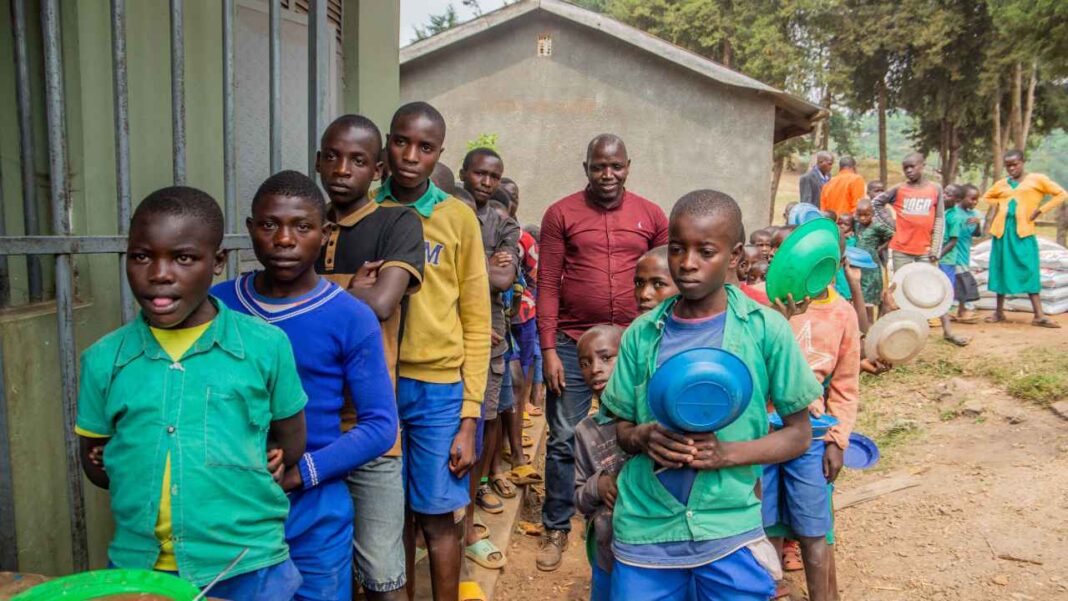

Millions of people in northern Nigeria currently face struggles that some can’t even comprehend. The primary struggle they face is the persistent hunger that has plagued them. The hunger crisis is at present the most severe it has been throughout the past decade. The worsening humanitarian condition, caused by displacement, funding shortages, and conflicts, has pushed the people to the brink of crisis. Warnings have been sent from the United Nations World Food Programme (WFP) that urgent international support is needed, and without it, the situation could even further deteriorate, which would leave communities that are vulnerable at much higher risk of malnutrition and hunger.
The WFP has stated that during the lean season, well over 17 million people who are spread throughout the nine states in the north could be expected to go through a period of acute food insecurity. This season occurs before the main harvest, where food stocks in households are usually at the lowest, which prompts the families to heavily depend on humanitarian assistance and local markets. This is why the rising food prices and the reduction in aid have made it extremely difficult for many households to meet their nutritional needs.
Criminal gangs as well as armed insurgent groups have kept on attacking communities, which has forced families to flee their homes and abandon their farmland. As a result, the disruption in agricultural production has been severe. This situation has limited the availability of food and has reduced the income for thousands of households that do farming. Persistent insecurity has also restricted humanitarian organisations from reaching some of the communities that are most in need.
Borno State is one of the most affected areas, as it has gone through years of displacement and insurgency. It has been estimated by the WFP that more than three million people are currently facing intense food security; this situation also includes hundreds of thousands who are experiencing critical stages of hunger. Camps or host communities continue to take on the many families who are displaced. These types of places where families go have many limitations on access to employment, farming opportunities, and essential services.
People have begun to skip meals, sell livestock or other productive assets, withdraw children from school or migrate in search of food and work. These measures may provide temporary relief but often deepen poverty and make long-term recovery more difficult.
Even though humanitarian needs continue to grow, international funding has significantly decreased. Despite the growing humanitarian needs, international funding has significantly decreased. Reports have been made from the WFP that financial constraints have ended up forcing it to reduce food assistance throughout northeastern Nigeria, where continued dependence on humanitarian support is searched for by millions of people. The agency has also highlighted that without additional funding, it will be unable to maintain life-saving food, nutrition and logistics programmes for the most vulnerable communities.
To continue its emergency operations over the next six months, the WFP has appealed for an additional US$89 million. The organisation has urged governments and international donors to provide and grant financial assistance immediately, stating strongly that timely intervention is highly important to prevent further deterioration of food security conditions.
While emergency food assistance continues to stay essential, humanitarian experts stress that lasting solutions will require greater investment in agriculture, rural livelihoods and community resilience. Improving security, supporting farmers, restoring agricultural production and strengthening local markets will be critical to reducing long-term dependence on humanitarian aid.
As northern Nigeria enters one of its most difficult periods recently, humanitarian agencies continue to call for urgent international action. Without increased support, millions of people could face worsening hunger, prolonged displacement and deeper economic hardship, further complicating efforts to achieve stability and sustainable development across the region.