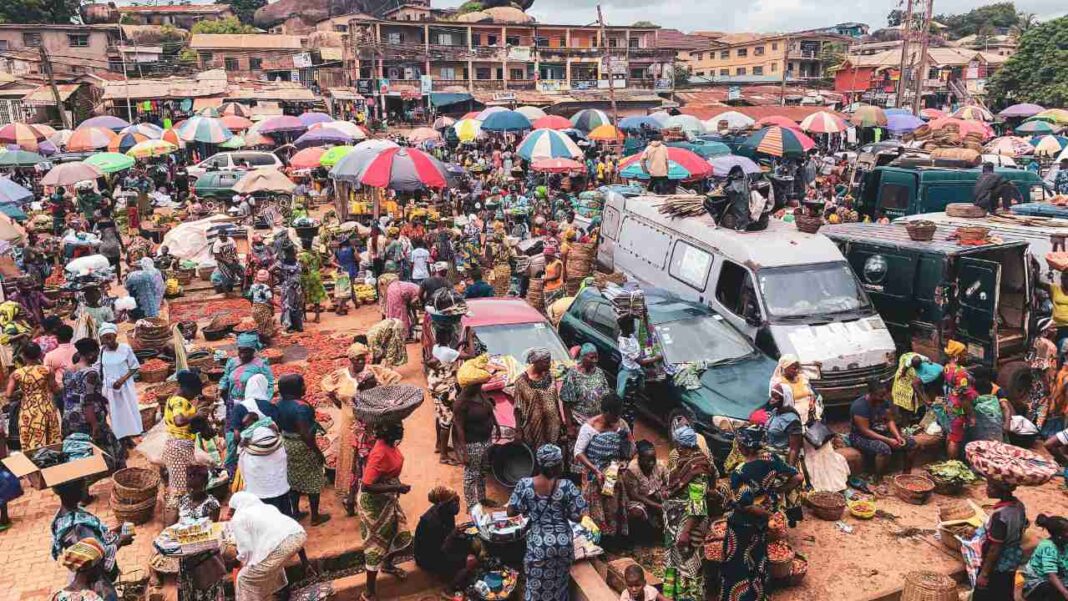

We are now in the second quarter of 2026, and the world economy is facing an uncertain future. Now there is a new set of peaks and troughs that is changing perceptions of areas and testing the ability of emerging markets to deal with the world’s problems, particularly as they navigate challenges such as inflation, supply chain disruptions, and geopolitical tensions. The IMF has revised its outlook for Sub-Saharan Africa’s economy due to the ongoing conflict in the Middle East. This volatility is making living more expensive and slowing growth across the continent, particularly as rising costs of imports and disruptions in trade are affecting everyday expenses for households and businesses alike. The region did very well in 2025, expanding at its fastest pace in a decade at 4.5%, but global conditions are now reversing that. The International Monetary Fund said growth in Africa will slow in 2026, showing events in the Middle East directly impact the African economy.
The main causes of this slowdown are soaring energy prices and supply chain disruptions. The war has driven up the costs of oil, fertilisers and transportation, which in turn stokes inflation. The IMF warns that a 20% jump in food prices could push another 20 million people into hunger. This is a grave challenge, especially for oil-importing countries already burdened with high levels of debt.
Global aid cuts are also making it more difficult, so the most vulnerable countries aren’t getting the help they require, which exacerbates the situation as they struggle to cope with rising food prices and increased hunger. But the IMF says Africa still has hope in spite of these challenges. Côte d’Ivoire and Rwanda are faring well thanks to prudent fiscal management and manageable debt levels. The IMF is working closely with the World Bank, the European Union, and other international partners to help the continent navigate this crisis.
In the end, this year is a major test for Africa and the world. It is important that countries are able to manage their finances in a responsible way while protecting their most vulnerable people. The stability of the African economy, closely tied to the rest of the world, profoundly affects us all. A strong and stable African economy is good for global markets, and organisations like the IMF are working hard to ensure that resilient future.