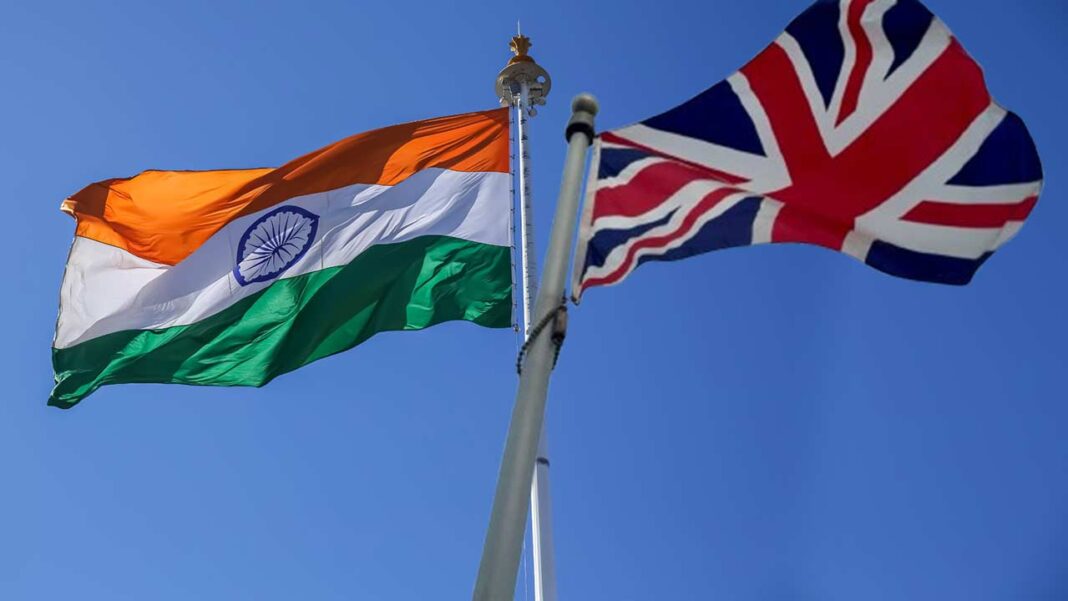

The upcoming implementation of the landmark India-United Kingdom trade agreement on Tuesday, 15 July ’26, is being hailed as a transformative moment in bilateral relations. Officials on both sides emphasise that the pact may deliver benefits extending far beyond traditional trade besides commerce.
India’s Foreign Secretary, Vikram Misri, anticipates the agreement will create new opportunities. It’s not only for businesses but also for professionals, students, innovators, and researchers besides investors. Additionally, this agreement strengthens one of the world’s most significant strategic partnerships.
The India-UK Comprehensive Economic & Trade Agreement (CETA), alongside the Double Contribution Convention (DCC), may officially come into force on Wednesday, 15 July ’26. This marks the culmination of years of negotiations between the governments of India & the UK. The agreement’s regarded as one of the most comprehensive trade deals ever concluded by India. It’s also one of the UK’s most important bilateral trade agreements in recent decades.
Government projections indicate that the pact may increase annual bilateral trade by approximately USD 33.92 (£25.50) billion in the long term. This agreement will also contribute billions of pounds sterling to the economies of both countries. The agreement’s also expected to strengthen supply chains. Additionally, it is expected to encourage investment flows and generate employment opportunities across multiple sectors.
Tariff reductions remain a central feature of the agreement. Policymakers have repeatedly stressed that the broader significance of the pact lies in its ability to deepen people-to-people ties. Additionally, the agreement creates new frameworks for cooperation in emerging industries. Foreign Secretary Misri noted that enhanced mobility provisions may make it easier for professionals and students, in addition to skilled workers, to move between the two countries. This would foster greater collaboration in education and technology besides research.

The agreement’s most significant achievement is the mobility component. The accompanying DCC may reduce social security burdens for temporary workers besides professionals posted overseas. This would make cross-border employment more attractive besides being cost-effective. The arrangement’s expected to particularly benefit information technology professionals, engineers, consultants, and academics besides financial services specialists.
Meanwhile, Indian Commerce & Industry Minister Piyush Goyal has emphasised that the agreement may serve as a catalyst. The deal is for transformational growth rather than merely boosting trade statistics. Addressing business leaders during a recent engagement in London, Goyal asked for deeper collaboration between British & Indian enterprises in innovation, tourism, manufacturing, and services besides small-business development.
The agreement also creates significant opportunities. The agreement is about collaboration in science & technology. The parts of the agreement about digital trade, intellectual property, and innovation, along with working together on regulations, are likely to help create partnerships in areas like artificial intelligence, biotechnology, telecommunications, healthcare, and clean energy. These areas have increasingly become priorities for both governments as they seek to build resilient as well as future-orientated economies.
Industry experts believe that the deal may accelerate joint research initiatives as well as encourage universities, startups, and technology enterprises to work more closely together. Enhanced market access & improved regulatory transparency are expected to provide businesses with greater certainty when pursuing long-term investments besides cross-border projects.
Small & medium-sized enterprises (SMEs) are also expected to benefit. They are likely to emerge as major beneficiaries. Simplified customs procedures and improved digital trade mechanisms, besides reduced administrative barriers, may make it easier for smaller firms to participate in international commerce. Analysts note that the SMEs often experience disproportionate compliance costs when accessing overseas markets. The agreements aim to address many of those challenges.
For exporters, the treaty offers substantial tariff liberalisation. India will reduce or eliminate tariffs on a large share of UK exports. This means the UK will provide duty-free access to nearly all Indian exports. Key sectors expected to benefit include textiles, apparel, food products, automobiles, machinery, engineering goods, and pharmaceuticals, besides professional services.