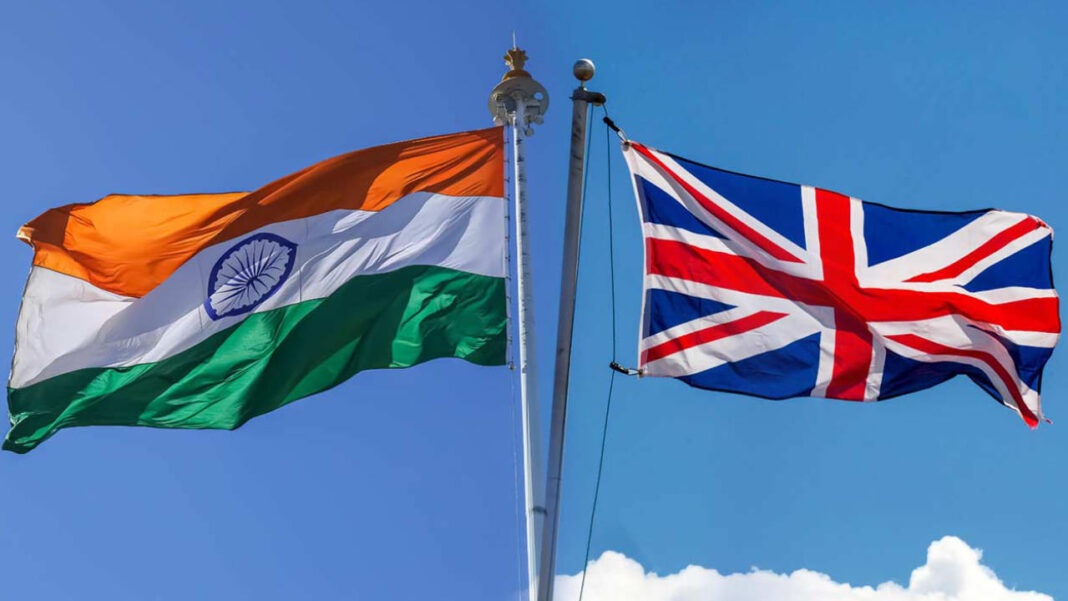
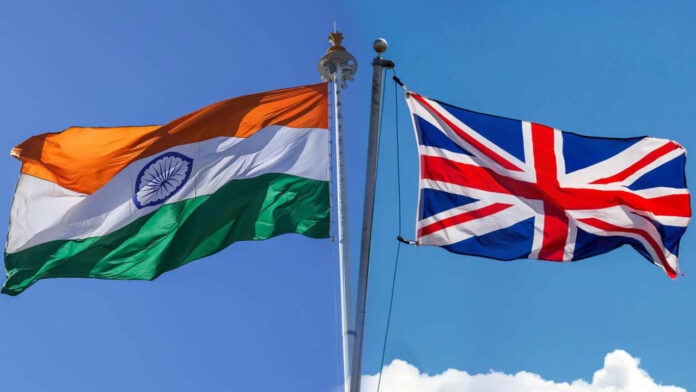

A free trade deal between Britain & India may come into force next month. This is after India said its concerns over the UK’s forthcoming steel tariff regime, which had been threatening delaying the implementation of the agreement, had been addressed.
Britain & India agreed to a long-coveted free trade pact last year. It was bringing together a binding of the world’s 5th- & 6th-largest economies in one of the most ambitious deals of its kind. This was in the wake of tariff turmoil initiated by U.S. President Donald Trump.
According to UK government data, this deal’s forecast to boost British GDP by USD 6.5 billion (£4.8 billion). Additionally, it is expected to increase bilateral trade by USD 33.66 billion (£25.5 billion) in the long term.
Under this agreement, India will cut whisky tariffs to 40% from 150% by the deal’s 10th year. Also, automotives are at 10% under a quota from 100%. Britain, in turn, cut tariffs on goods such as clothes and footwear, besides some foodstuffs.
Countries to move forward with FTA after leaders’ meeting
On Wednesday, 17 June ’26, the two countries agreed to move ahead with implementing the trade deal on Wednesday, 15 July ’26. This was after British Prime Minister Keir Starmer held talks with his Indian counterpart, Narendra Modi, at the G7 leaders’ summit in France.
Modi said on X that it was a historic milestone for India-UK relations. Modi added that the agreement could significantly boost bilateral trade and investment.
Indian officials had previously raised the prospect of reopening or delaying the application of the FTA over concerns about the impact of new UK steel trade measures. The agreement was due to come into effect on Wednesday, 1 July ’26.
With the intention of shielding its domestic industry from a surge in global supply, Britain may sharply reduce tariff-free quotas for steel. Besides this, the UK government intends to impose steep duties on shipments beyond those limits from next month. However, the details of these measures are not yet finalised.
On Wednesday, 17 June, the Indian government announced that Britain’s steel measures may not affect 85% of Indian exports. Additionally, for the lines covered by the measures, access may be available through quotas as well as other methods.
The Indian government said that following constructive deliberations, both sides mutually agreed to protect commercial interests. Additionally, the goal is to minimise market disruptions while ensuring a balanced and stable trading environment for exporters.
Previously, a British official shared that the talks to implement the FTA were separate from the steel trade measures. Additionally, the announcement made by the British government on Wednesday, 17 June, did not reference any separate deal regarding steel.
The free trade deal could potentially take effect almost exactly a year after its signing. Britain said the agreement was the quickest ever turnaround following the signature. Indian officials previously suggested the steel dispute prevented earlier implementation in May ’26, though Britain never put a timescale on talks.
British Business & Trade Secretary Peter Kyle said in a statement that this deal benefits British exporters with an edge over international competitors.
Britain & India have also agreed that workers may no longer have to make social security contributions in both India & Britain whilst on temporary postings to each other’s countries. However, on Wednesday, 17 June ’26, they said they had extended the length of time workers may be exempted from so-called ‘double-contributions’ under the scheme to 5 years from 3.
Steel producers, policymakers, and investors will closely monitor the agreement’s implementation for evidence of stronger bilateral trade flows. If early gains materialise, the pact could serve as a model for broader UK-India economic cooperation. It may support job creation, innovation and sustainable industrial growth across both economies in the years ahead and beyond the expected future trade expansion goals.