

In a dramatic escalation of hostilities, Iran launched an unprecedented barrage of over 180 ballistic missiles targeting Israel late Tuesday, prompting a fierce response from Israeli officials and a deepening crisis in the region. The attack, described by Israeli Prime Minister Benjamin Netanyahu as a “big mistake,” signifies a major turning point in a conflict that has spiraled beyond control, threatening to engulf the Middle East in further violence.
“Iran made a big mistake tonight – and it will pay for it,” Netanyahu declared during a meeting with his security cabinet. He emphasized Israel’s unwavering commitment to self-defense and retaliation against its adversaries, stating, “They will understand our determination.”
The missile assault came just a day after Netanyahu ordered Israel’s largest ground incursion into southern Lebanon in a generation, aimed at countering Hezbollah, Iran’s influential proxy in the region. As missiles streaked overhead towards Israel’s coastal cities just after 7:30 PM, reporters witnessed the destructive spectacle, with many projectiles intercepted by Israel’s sophisticated air defense systems. However, some missiles successfully penetrated defenses, resulting in distant explosions and igniting fears of extensive damage.
Simultaneously, violence escalated within Israeli borders. Gunmen launched an attack in Jaffa, resulting in six fatalities and multiple injuries, including that of an Israeli Defense Forces (IDF) soldier. This attack further complicates an already volatile situation, as Israel grapples with the potential for increased domestic attacks amid external threats.
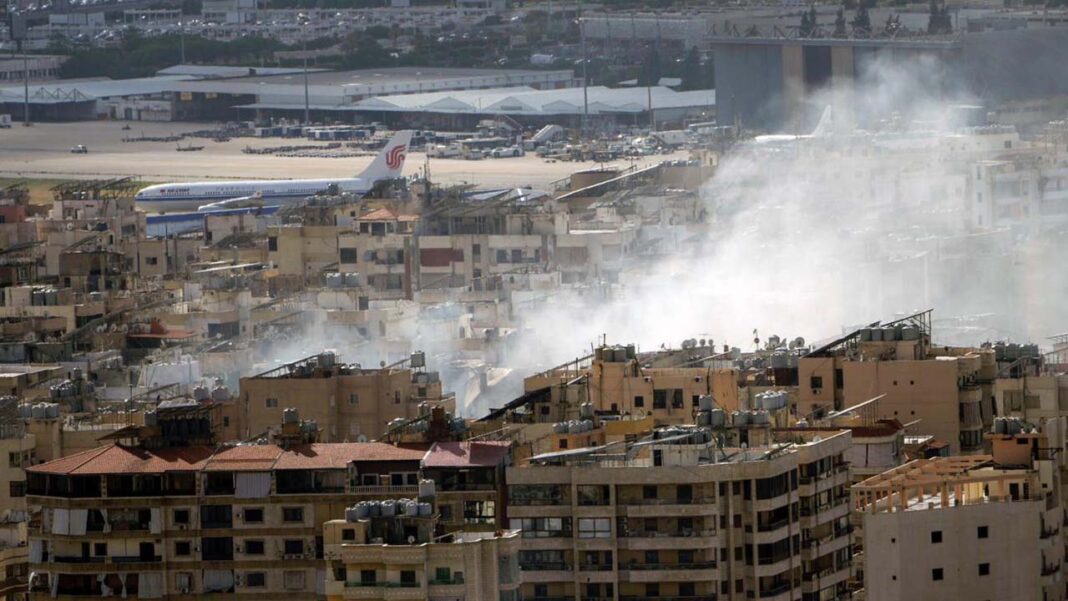
In the aftermath of the missile strikes, Israeli forces retaliated with airstrikes targeting Hezbollah sites in Beirut’s southern suburbs. Early Wednesday morning, at least five strikes hit the area, raising alarms about the potential for further civilian casualties and escalating the cycle of retaliation.
Iran’s missile launch was framed by its leaders as a necessary response to Israeli aggressions, particularly the recent strikes against Hezbollah in Lebanon. Iranian President Masoud Pezeshkian hailed the action as “a decisive response,” asserting that Iran is prepared to confront any perceived threats from the “Zionist regime.” The order for the missile attack reportedly came directly from Iran’s Supreme Leader, Ali Khamenei, signaling a high-level endorsement of aggressive military action.
As tensions mount, diplomatic efforts to de-escalate the situation are unraveling. Just days prior, the United States and France had initiated talks to broker a 21-day ceasefire between the warring factions. However, these attempts appear increasingly futile as the cycle of violence intensifies. Iran’s Foreign Minister Abbas Araghchi warned that further retaliation would occur if Israel continued its military actions, urging international partners to restrain Israeli aggression rather than become embroiled in the conflict.
The implications of this latest escalation are profound. With both sides committed to their positions and escalating military operations, the possibility of a broader regional war looms larger than ever. As Netanyahu and his government prepare for potential retaliation, the situation remains precarious, with the lives of countless civilians hanging in the balance amid the rising tide of conflict in the Middle East. Calls for restraint on both sides have been echoed across the world.


