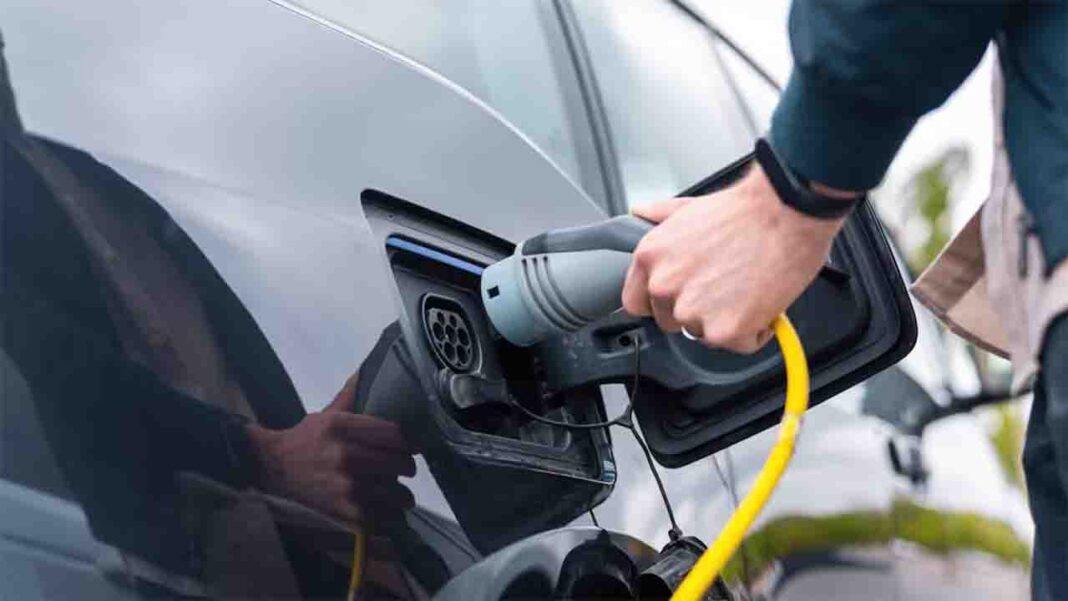

Canada is encouraging its citizens to convert from fossil fuel heating to electric heat pumps and switch from gas to electric vehicles, as part of Canada’s target to archive net-zero greenhouse gas emission by 2050.
This strategy promoted questions from Canadians and CBC news readers, as to how this electricity model cope with the extra load, and the possibility of breaking the grid. Will going electric increase the electricity bill for the average Canadian?
When new legislations were announced by the federal government early this month, to achieve net zero to Canada’s grid by 2025, it is noted that the model indicates in excess of $400 billion is required to replace obsolete facilities and increase general capacity in the current electricity grid. Without such an enhancement, Canada may not sustain the pressure placed on the system from electric vehicles, heating and cooling systems and economic and population growth.
Information from the Canadian climate institute and the international energy agency indicated that by 2050, Canada would have to increase the electric grid capacity by double or triple to archive its goal of net-zero. The requirement of additional battery storage and be flexible enough to regulate to peak in demand from home heating systems and electric vehicles is necessary, failing which may result from power outages and other reliability issues to not meeting climate goals.
In the positive side, many including the author of the report, acknowledge that it is achievable.
The report indicates, creating the electricity system cleaner, larger and smarter is economically and technically feasible.
President and CEO of electricity Canada Francis Bradley, representing electricity utilities across Canada, informs home heating and electrification of transportation system will be a slow and gradual process, making it a somewhat a predictable government target.
He added that even in 2036, there is still going to be a lot of vehicles that are not electric, it will not be a complete transformation from non-electric to electric. The growing demand for electricity and electrification is already underway, and up to now Canada is ready. He further stated that there is no room for delay as the federal government reaches its 2035 net-zero electricity deadline.