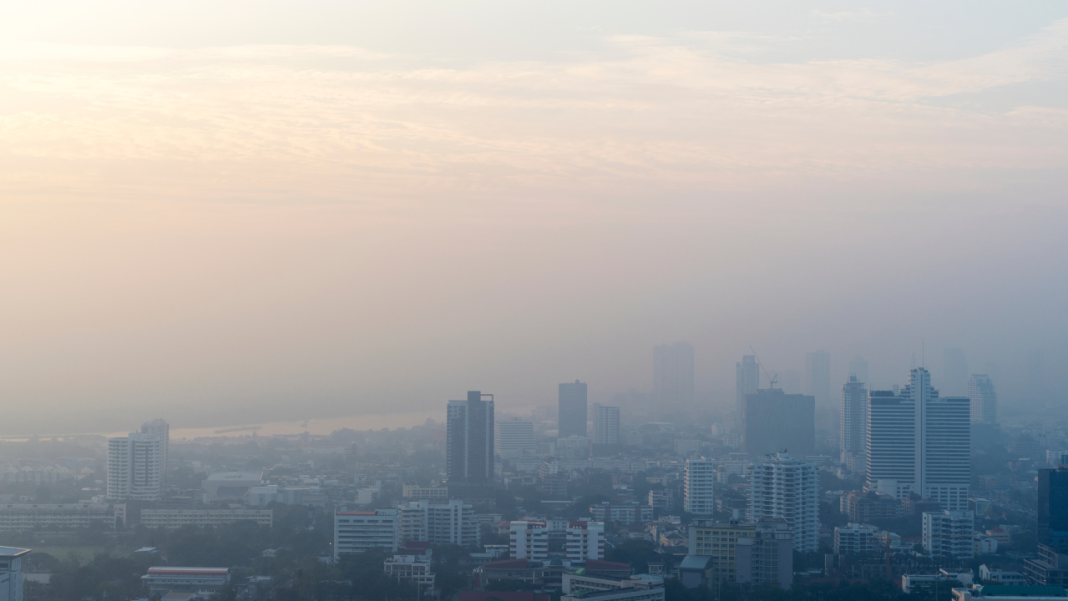

(Commonwealth_India) Delhi woke up under a thick, suffocating blanket of smog the morning after Diwali. The sweet smell of sweets and incense had vanished overnight, replaced by the bitter sting of smoke and ash. The lights that had danced across the night sky had gone out, leaving behind a heavy haze that blurred buildings, stung the eyes, and made every breath feel like swallowing dust.
Despite court orders to limit firecracker use and stick to less-polluting “green” fireworks, the crackle and boom of traditional crackers had echoed through the city late into the night. Despite knowing what was coming, people in Delhi and its suburbs celebrated with fireworks as usual. By dawn, the air was thick, grey, and still, the festival’s joy replaced by the choking aftermath of its celebration.
On Tuesday, Delhi’s Air Quality Index touched 360 — a figure that falls under the “very poor” category. To most residents, that number no longer brings shock, only resignation. For years, they’ve watched the same story unfold after every Diwali: a night of lights, followed by days of smog. The fine particles of pollution—PM 2.5—hang invisibly in the air, but their effects are everywhere: coughing children, watery eyes, itchy throats, and a faint, constant headache that just won’t go away.
The World Health Organization says the safe limit of PM 2.5 exposure in 24 hours is 15 micrograms per cubic meter. In parts of Delhi, it was 24 times that level. Yet, people went about their day because they had no choice. For many, masks have become as common as mobile phones — not because of COVID anymore, but because of the city’s air.
Delhi’s pollution problem isn’t just about one festival night. It’s the result of many things piling up—unending traffic, construction dust, industrial smoke, and every winter, the burning of crop stubble in neighbouring states. When the cold sets in, the air doesn’t move much, and the pollutants just sit there, turning the city into a smoky bowl. Every year, officials announce bans on crackers, and every year, enforcement fails. Crackers still appear on shop shelves, sold quietly and used loudly.
This year, the Supreme Court allowed “green” crackers, marketed as 20–30% less polluting. But even those, experts say, aren’t harmless. They still release chemicals and metals that linger in the air. The court allowed them only for short windows — one hour in the morning and two in the evening — but the sound of fireworks continued well past midnight in most areas.
BBC reporter Vikas Pandey described leaving home in Noida early Tuesday morning to catch a flight. “The familiar smell of burning charcoal was back,” he said. “The air was filled with smoke, and visibility was poor. I could taste ash in my mouth. The tall buildings that usually stand out in the early morning light had disappeared behind a curtain of smog.”
For environmentalists and doctors, the incident is a moment of worry. They fear that relaxing rules around firecrackers might undo years of slow progress in building awareness about the dangers of air pollution. People had started to accept the link between clean air and positive health — but with mixed messages from authorities, that awareness could fade.
The government has now invoked stricter pollution-control measures, restricted diesel generators, and banned the burning of coal and firewood. But Delhiites have little faith that these steps will bring quick relief. Many have sealed their windows, switched on air purifiers, and stocked up on masks. Children and the elderly have been told to stay indoors. The city moves more slowly, quieter, as if weighed down by its air.
“You can’t even think of stepping outside,” said Paras Tyagi, a resident of Delhi. “It doesn’t matter if you’re in a busy market or a small colony, the air feels the same everywhere. Thick. Heavy. Dirty. You can taste it.”
For now, Delhi breathes through the smog, a city of lights dimmed by its own celebrations. Diwali’s glow may have faded, but its smoke still hangs in the air, a haunting reminder that even joy can leave scars when the skies stop breathing.