
The US military said it carried out what it described as “self-defence” strikes on Iran and intercepted ballistic missiles and drones launched at ships and countries in the Gulf region. According to US Central Command (Centcom), American forces targeted a military control facility on Iran’s Qeshm Island, which lies near the Strait of Hormuz.
The US claimed that it took the action in self-defence after Iran launched missiles and drones across the Middle East. Iran said it had attacked US military bases and helicopters in a regional country as retaliation. Centcom reported that Iran fired missiles toward Kuwait and Bahrain.
Two missiles aimed at Kuwait either broke apart or fell short, while three missiles heading toward Bahrain were intercepted by US and Bahraini air defence systems. The latest exchange comes as efforts to secure a ceasefire remain stuck. Negotiations aimed at ending the conflict have made little progress recently.
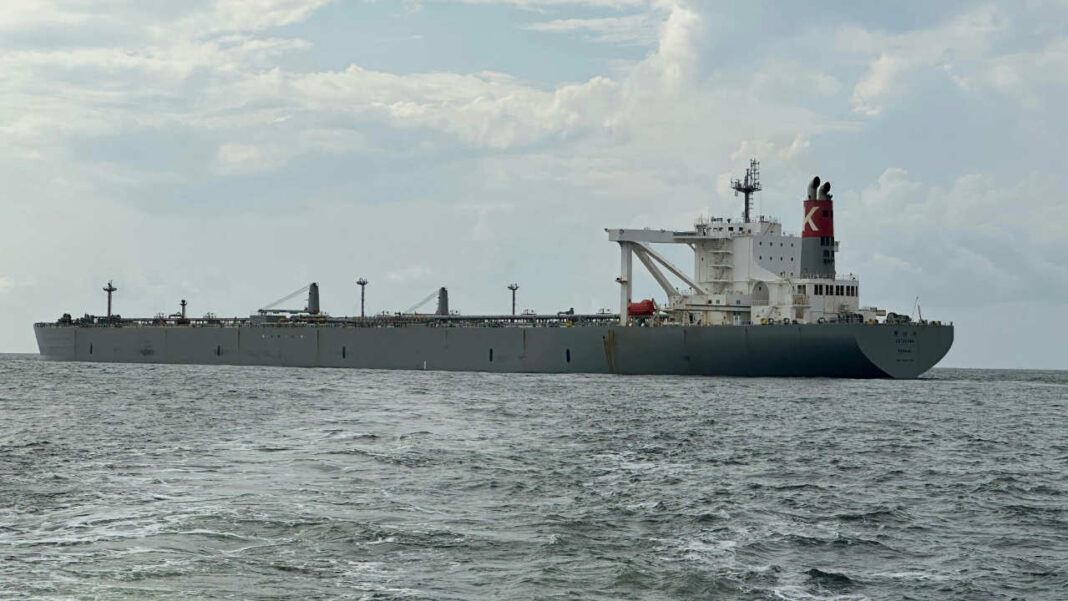
The US military also said it shot down three Iranian attack drones that were headed toward civilian ships travelling through regional waters. Iran’s Revolutionary Guard warned that any attempt to disrupt security in the Strait of Hormuz would come at a high cost. Earlier, Centcom announced that US forces had disabled an oil tanker travelling toward Iran. American forces reportedly stopped the vessel after its crew ignored repeated warnings.
A US aircraft fired a missile into the ship’s engine room, preventing it from continuing its journey. The tanker action was part of a naval blockade that Washington introduced in April around the Strait of Hormuz. The US claims that the blockade aims to intensify pressure on Iran. According to CENTCOM, six commercial vessels have been disabled and more than 120 others have been redirected since the operation began.
Meanwhile, US President Donald Trump said Iran wants to reach an agreement with Washington, and he expressed confidence that a deal could eventually be achieved. Reports in US media suggested that Trump requested changes to a proposed peace agreement. The reported changes included the future of the Strait of Hormuz, Iran’s stockpile of highly enriched uranium, and possible new discussions about Tehran’s nuclear programme.
Iran rejected those claims. Foreign ministry spokesman Esmail Baghaei accused Washington of frequently changing its position and making new demands. US Secretary of State Marco Rubio also appeared before Congress to discuss the conflict. He said the US had not offered sanctions relief in exchange for reopening the Strait of Hormuz. Rubio stressed that easing sanctions would depend on Iran addressing concerns over its nuclear programme. He also told lawmakers that, in his view, the war had already ended.