
New concerns have been brought forth by scientists regarding the stability of a very large Atlantic Ocean current, which plays a highly pivotal role when it regulates the Earth’s climate. New findings and reports indicate that the system could weaken much faster and more rapidly than previously anticipated. This fact increases the risk of major and severe impacts on the globe.
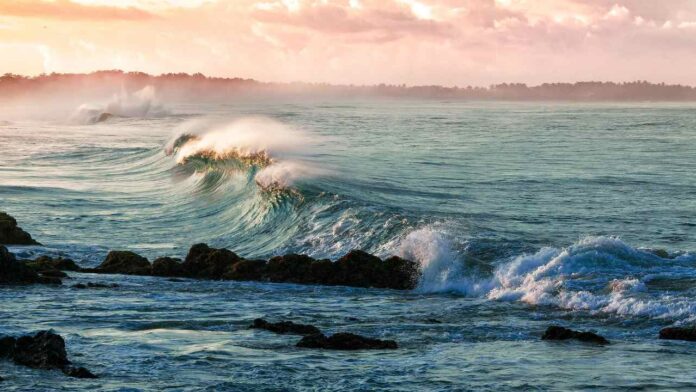
The current is known as the Atlantic Meridional Overturning Circulation (AMOC) and acts like a large loop, which is a huge circulation system which continues on and carries salty, warm water from tropical regions and takes it towards the northern Atlantic. During this process, the water gradually cools at its own pace, which in return makes it denser and ends up sinking before flowing back to the south at even deeper ocean levels. This process creates a constant loop that regulates the climate patterns of the globe. It supports stabilising weather patterns throughout many regions by helping to keep temperatures relatively mild in Europe. However, recent research indicates that this system is currently weakening, losing the necessary strength, and may continue to decline significantly in the coming decades.
Experts have warned that if the AMOC slows dramatically or even collapses, the consequences could spread widely. Northern Europe may experience significantly colder conditions, while other regions, such as parts of southern Europe and Africa, could face intensified droughts. The changes in rainfall patterns could disrupt agriculture, threatening food production and water availability for millions of people.
These types of weakened systems could highly contribute to rising sea levels along the eastern coastline in North America, which would also end up increasing the potential for floods to take place in major cities. Shifts in the ocean could also lead to much higher storms, which are stronger at the same time as their occurrence. Unpredictable weather conditions could line up with this event, adding even more additional pressure to infrastructure and communities by creating an environment quite difficult to live in, which may result in increased damage to buildings, transportation systems, and essential services during extreme weather events.
The change in climate is the main driver of this weakening. While global temperatures continue to rise, ice from regions such as Greenland is melting at an accelerated rate. This process distributes large amounts of freshwater back into the ocean, resulting in an alteration of the balance of salt and density that prevents the circulation from moving. As this balance is disrupted or slowed down, the system becomes slower and less stable, making it difficult to maintain the loop effect.
Some studies suggest that the AMOC, or Atlantic Meridional Overturning Circulation, may already be at one of its weakest points in over a thousand years. While scientists are still uncertain about the exact timeline of a potential collapse, there is growing agreement that the risk is increasing and cannot be ignored.
Highlights that this isn’t a distant or a theoretical issue have been made by research, implying that the effects of a major slowdown could be felt throughout other continents, which could influence economies, ecosystems and also the daily life which is led by everyone. AMOC, or the Atlantic Meridional Overturning Circulation, has a deep and extensive connection to global climate systems, which means that any major disruption would have widespread effects felt across the entire world.
The findings highlight the intense urgency of addressing climate change in the world. Reducing greenhouse gas emissions and improving climate resilience are seen as critical and important steps that everyone should take to slow down further damage. While there is still time to act, scientists highlight that delaying action could make it much harder to prevent the environmental consequences that could end up becoming partially permanent or long-term, such as increased natural disasters, loss of biodiversity, and irreversible changes to ecosystems.