
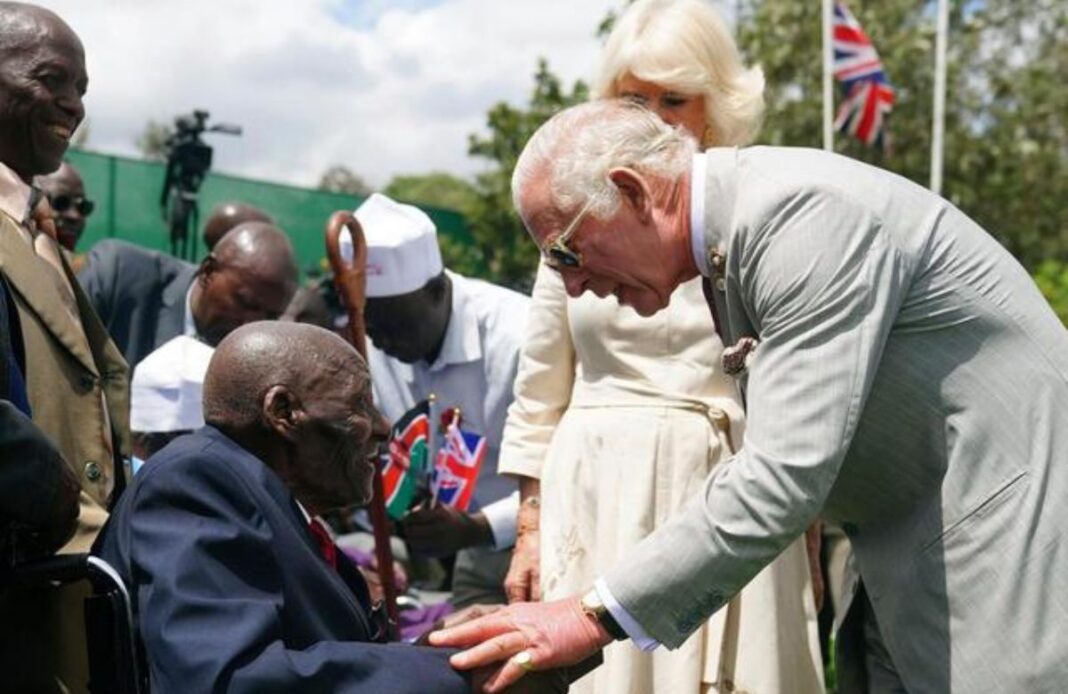
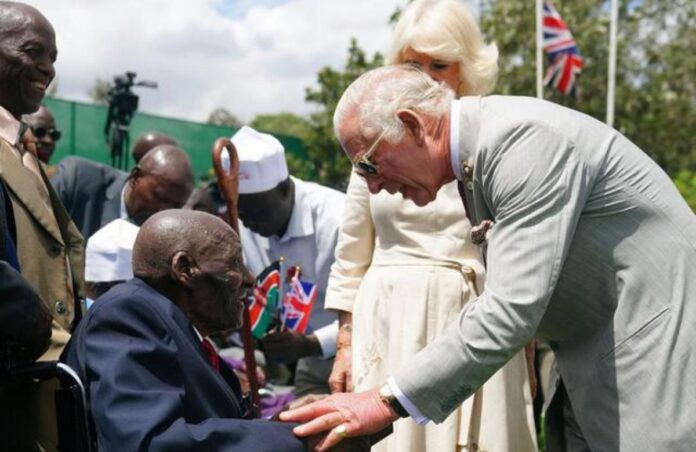

Africa (Commonwealth Union) _ King Charles III expressed that there can be “no excuse” for the atrocities committed against Kenyans during British colonial rule during his recent visit to Kenya. He acknowledged the “abhorrent and unjustifiable acts of violence” that occurred as Kenyans fought for independence. Although he did not explicitly ask for forgiveness, Charles III emphasized the importance of approaching history with honesty and openness, aiming to build a stronger friendship between the UK and Kenya.
The king’s visit, occurring just before the 60th anniversary of Kenya’s independence, holds symbolic significance. It marks Charles III’s first state visit to a Commonwealth country since becoming monarch. The British embassy emphasized the strong partnership between the UK and Kenya, recognizing that discussions during the visit would address the painful aspects of shared history, including the Mau Mau revolt, which resulted in over 10,000 deaths.
While Charles III’s statements acknowledge historical injustices, they also reflect the diplomatic complexities of addressing colonial legacies. The Mau Mau Rebellion remains a sensitive topic, with Kenyan veterans and human rights organizations calling for a public apology and reparations. The Kenyan Human Rights Commission specifically urged the king to make an unconditional and unequivocal public apology for the brutal treatment inflicted on Kenyan citizens during the colonial period.
During the visit, Charles III privately met with the family of Dedan Kimathi, the executed leader of the Kenyan rebellion, and other relatives of freedom fighters. This meeting provided an opportunity for the king to hear firsthand about the violence committed against Kenyans. The issue remains painful for many Kenyans, evident in protests and calls for the return of land under British control.
While Charles III’s acknowledgment of historical injustices is a step forward, the complexity of the colonial past necessitates a nuanced approach. The king’s engagements, including visits to a war cemetery and interactions with war veterans, underscore the historical ties between the UK and Kenya. As Kenya celebrates its 60th anniversary of independence, discussions during the visit highlight the ongoing dialogue surrounding restitution, acknowledgment, and the shared history of these two nations.