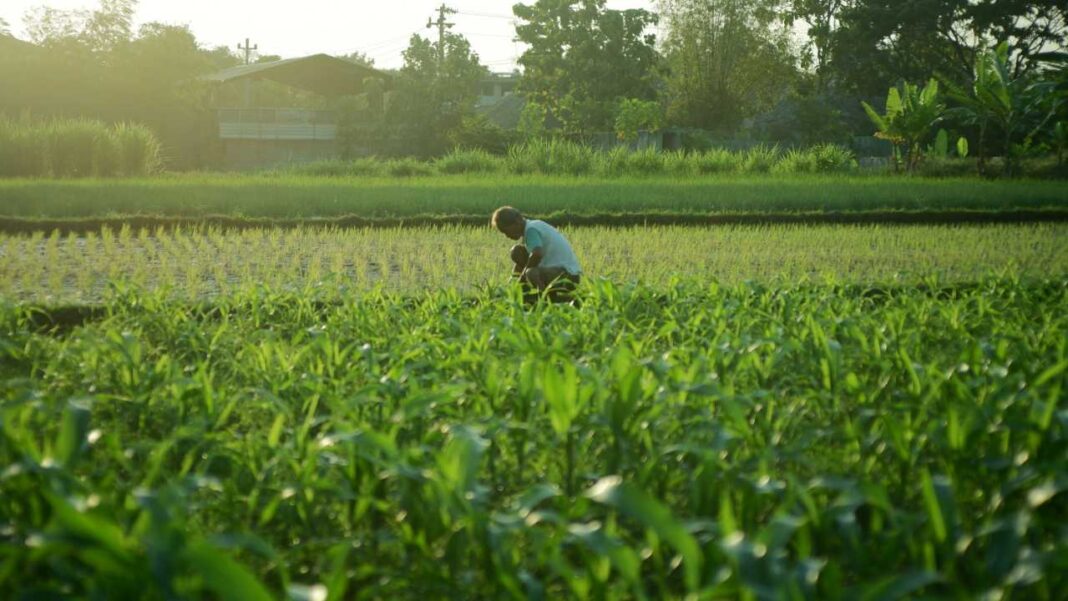

Mozambique’s northern province of Niassa—which is enormous—has all the resources it needs to become one of the agrarian leaders of Southern Africa, which include fertile soil, plenty of water, and ample arable land. However, the region’s prosperity is still hindered by one major obstacle: inadequate roads.
As indicated in a report from the Club of Mozambique, authorities in the province say that the absence of proper road infrastructure is the greatest problem that farmers face in seeking to use the great potential of agriculture in Niassa. This problem becomes even more serious during the rainy season, when many of the rural roads are affected and farmers and agricultural communities are cut off from markets.
Even though it occupies nearly a third of Mozambique’s land, Niassa is one of the least developed provinces of the country. Agriculture forms the basis of the economy here to the extent that farmers grow maize, beans, soybeans, sesame, potatoes and tobacco. However, poor transport links mean that even a successful harvest won’t bring farmers extra income if they can’t get their goods to market on time.
The concerns go beyond livelihood needs. The agriculture section employs over 70% of Mozambique’s citizens and serves as an important base of the country’s economy. Specialists insist that enhanced rural connectivity will lead to reduced losses after harvest, reduced logistic expenses, more investment from private businesses, and improved food security across Mozambique.
Mozambique’s efforts to upgrade the agricultural industry have worsened the existing infrastructure deficit. The infrastructure deficit in Mozambique As Mozambique strives to upgrade its agricultural industry, the infrastructure deficit worsens. The infrastructure deficit in Mozambique worsens as the country strives to upgrade its agricultural industry. District representatives have spoken out on many occasions about the possibility of mechanised and intensive agriculture in Niassa, yet investors tend to hesitate due to some key transport systems being unreliable. The results of the latest appraisal say that only about 907 out of 7,600 kilometres of roads in Niassa are paved.
It is uplifting that the government of Mozambique is pouring resources into transportation developments across the country. The authorities have reported on the 7th of July 2026 that the Promoting Transport Project, which will connect agricultural production areas and the port of Nacala, is almost finished and is set to complete in August 2026. While these projects will enhance trade in the region, experts argue that similar investments in Niassa are essential for the province to fully capitalise on its agricultural potential.
From Niassa’s perspective, the equation is becoming clearer: the land is prepared, farmers are interested, and the potential is huge. The roads must be built to make this rich agricultural area an economic engine.