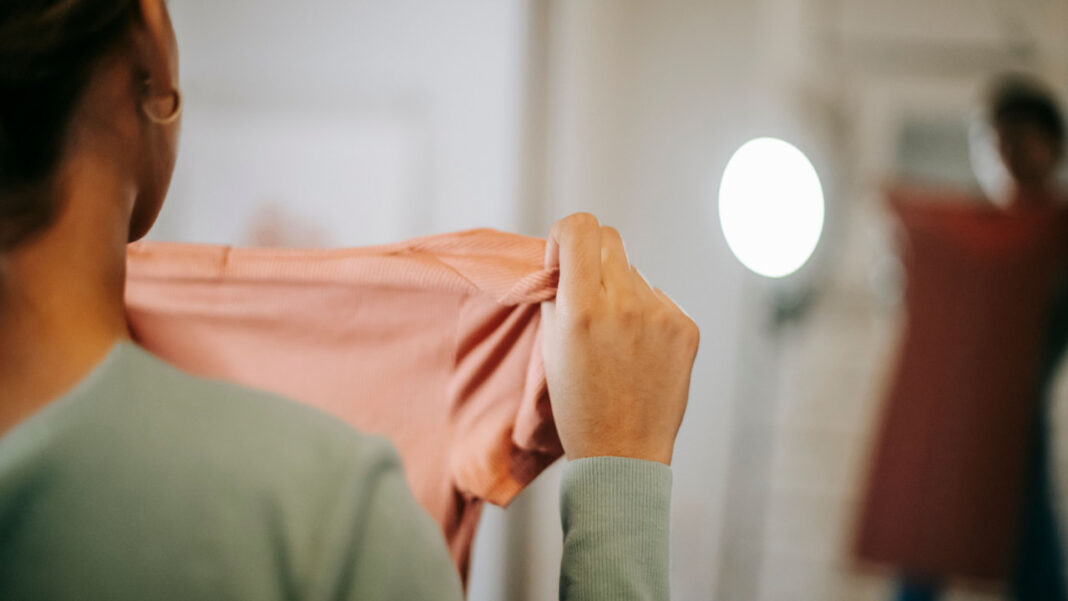

Traditionally, fashion brands have followed a seasonal calendar, introducing warm clothing towards the end of summer and lighter collections as winter approaches. However, as temperature changes and climate issues have arisen, increasingly warmer autumns are changing shopping habits, and designers as well as retailers are being forced to reconsider their approach to seasonal fashion.
The issue became especially noticeable and evident during Paris Fashion Week, which took place in October 2026. Temperatures rose to 28°C. While fashion houses presented their latest collections, many visitors chose summer outfits instead of the autumn and winter clothing being promoted by luxury brands. The unusual weather ended up highlighting the growing difference between the fashion industry’s traditional calendar and the conditions people are actually experiencing at present.
According to a Reuters report published on October 7, the warmer weather could create financial difficulties for clothing retailers. Winter coats, jackets, and other heavier garments are usually introduced well before colder temperatures arrive. When autumn remains warm, customers have less reason to purchase these items immediately. Shops face mounting pressure as a result.
The situation is especially concerning for luxury brands because outerwear often generates higher profit margins. If customers delay or reduce their purchases until colder weather arrives, retailers could end up experiencing a very low volume of sales during important shopping periods. Some shoppers might even end up waiting until November’s Black Friday promotions come along before buying winter clothing at reduced prices.
Fashion designers have already started responding to these changing conditions. Louis Vuitton‘s womenswear creative director, Nicolas Ghesquière, explained that Europe’s recent heatwaves influenced his latest designs. The brand’s Spring/Summer 2027 collection featured lightweight materials, flowing jackets, and sheer dresses designed primarily for greater comfort in hot weather. The collection demonstrated how designers are exploring clothing that combines aesthetics with practicality.
The challenge is not limited to luxury fashion. Affordable clothing retailers also need to reconsider how much seasonal stock they purchase and when new collections reach their stores. Instead of relying heavily on thick winter coats and knitwear, businesses will likely need to offer more transitional clothing suited to varying temperatures. Lightweight jackets, breathable fabrics, and versatile layering pieces are becoming increasingly important.
This issue has also affected major fashion events. An Associated Press report from June 2026 highlighted the difficulties experienced during Paris Fashion Week‘s menswear shows when temperatures approached 41°C during a historic heatwave. Organizers introduced cooling measures—including misting equipment, chilled towels, and parasols—yet some venues still struggled to provide comfortable conditions for visitors. The situation has raised questions about how fashion events should prepare for increasingly extreme temperatures.
However, adapting designs alone will not solve the much larger problem at hand. The fashion industry also contributes to environmental pressures in many ways, including manufacturing, transportation, and excessive production. Brands therefore face the challenge of adjusting to climate change while reducing the environmental impact of their own operations.
As temperatures continue to fluctuate, the traditional boundaries between spring, summer, autumn, and winter collections may become increasingly less predictable. Fashion businesses will need to pay closer attention to local weather conditions, customer needs, and purchasing patterns as they design their clothing items. What was once considered appropriate clothing for a particular season may no longer match everyday life.
The developments in Paris demonstrate that climate change is no longer just an environmental concern for the fashion industry; it is also becoming a business issue that affects designers, retailers, and consumers. Adapting to these changes could become a necessity for brands hoping to remain relevant in an increasingly unpredictable climate. It is now scarcely evident that climate has even started to affect the sustainability of fashion as a whole.