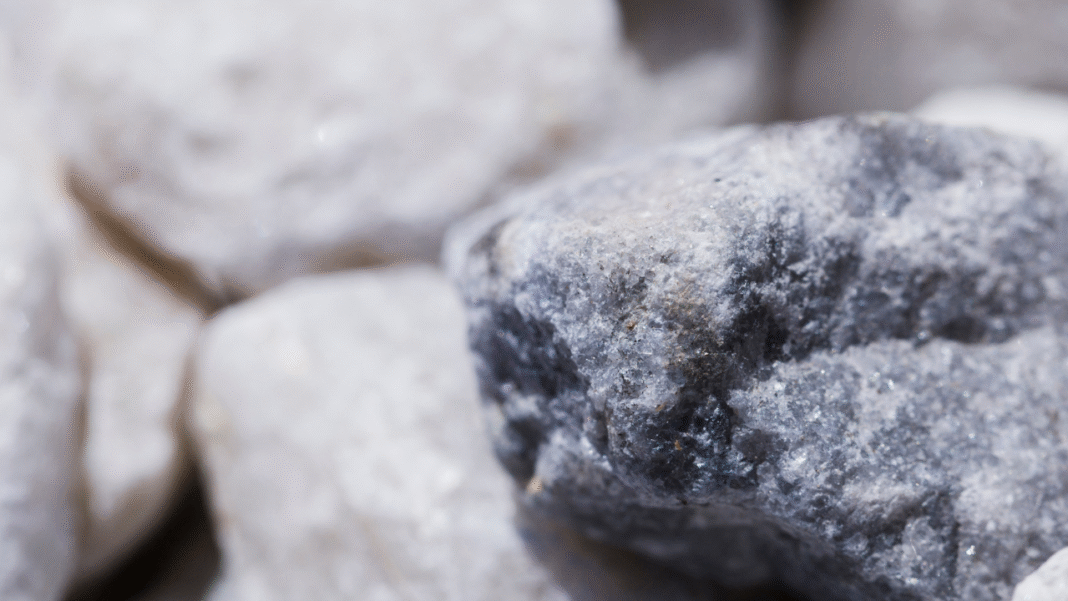

In the vast, bare landscape of Western Australia, about a three-hour drive north of Perth, lies Eneabba. This area is now at the center of a global effort to reshape the supply chain of critical minerals. Eneabba hides a large stockpile of rare earth elements, essential for modern technology, beneath its unremarkable surface. This finding puts Australia in a position to challenge China’s long-standing control over these materials. The Australian government is investing significantly by providing a billion-dollar loan to a mining company to extract these minerals and disrupt a supply chain that has given China considerable geopolitical power.
It can be concluded that China’s hold on the rare earth market became a powerful bargaining tool during the trade disputes with the United States under President Donald Trump. Beijing’s export restrictions disrupted global manufacturing, revealing a significant vulnerability. Also, manufacturers around the world realized that China could cripple their production. The impact was evident when Ford temporarily stopped production of its popular Explorer SUV at a Chicago plant for a week. Ford’s CEO, Jim Farley, revealed that the shutdown was because of a rare earth shortage, admitting the company struggled to secure a steady supply. While China has resumed the flow of the mentioned minerals and magnets to the U.S., the fear of future interruptions persists without a solid trade agreement.
Experts mention that the West missed an opportunity to develop a long-term strategy for rare earth elements due to a lack of planning. China took advantage of this by spending decades on large-scale mining and refining. Despite the name “rare earths,” which suggests scarcity, these 17 elements are not actually rare. Their importance stems from their unique features, such as being lightweight, strong, and heat-resistant. These qualities make them important and useful for different purposes, including electric vehicles and defence systems. The key issue is not the minerals’ abundance but the concentration of control over the supply in just a few countries. China currently handles over half of global rare earth mining and an astonishing 90% of processing capacity. The U.S. imports 80% of its rare earths from China, while the European Union relies on it for about 98% of its supply.
Dan McGrath, head of rare earths at Iluka Resources, stated that China has worked to seize control of the market to bolster its manufacturing and defense sectors. Iluka, a company that has primarily extracted zircon and titanium dioxide, found that its operations produced valuable byproducts, including rare earths like dysprosium and terbium. Over the years, Iluka has built a stockpile valued at over 650 million. However, the real challenge is not just mining but the complicated and expensive refining process. Separating these chemically similar elements requires multiple stages and results in problematic radioactive waste. This is a key reason why the Australian government is loaning Iluka 1.65 billion to build a refinery that is expected to supply a significant portion of Western demand by 2030. McGrath stated that without government support, this project would not be financially sustainable, but it would provide an independent and secure alternative to China.
Madeleine King, Australia’s Resources Minister, asserted that a single supplier dominates the “open international market” for critical minerals, making it a myth. This supplier manipulates both prices and availability. Canberra sees government involvement as essential to creating an alternative to China’s “quasi monopoly,” which has been accused of using rare earths as leverage. Australia’s efforts to establish a new industry will require time, but its ability to provide a cleaner and more reliable supply will support them. Conversely, China’s swift expansion in the rare earth sector has resulted in significant environmental damage, leading to the contamination of waterways with chemical and radioactive waste. The refining process is particularly harmful, involving extraction, leaching, and thermal cracking. However, Australia’s legal and regulatory framework should help manage these environmental issues responsibly. As the world moves toward green technologies and seeks to secure its defense supply chains, Australia’s investment in Eneabba could play a vital role in diversifying the global rare earth market.