
As part of a diplomatic effort to create a food trade between the Gulf and Central Asia, Kazakhstan and Kuwait are discussing the potential for an economic corridor that would make Kuwait a major transit hub for Kazakh agricultural products going to the broader Middle East.
Central to this collaboration between Kuwait and Kazakhstan is a meeting between Yerzhan Yelekeyev, Kazakhstan’s ambassador to Kuwait, and the leaders of the Kuwait Direct Investment Promotion Authority, which is the government body responsible for attracting foreign direct investments to Kuwait.
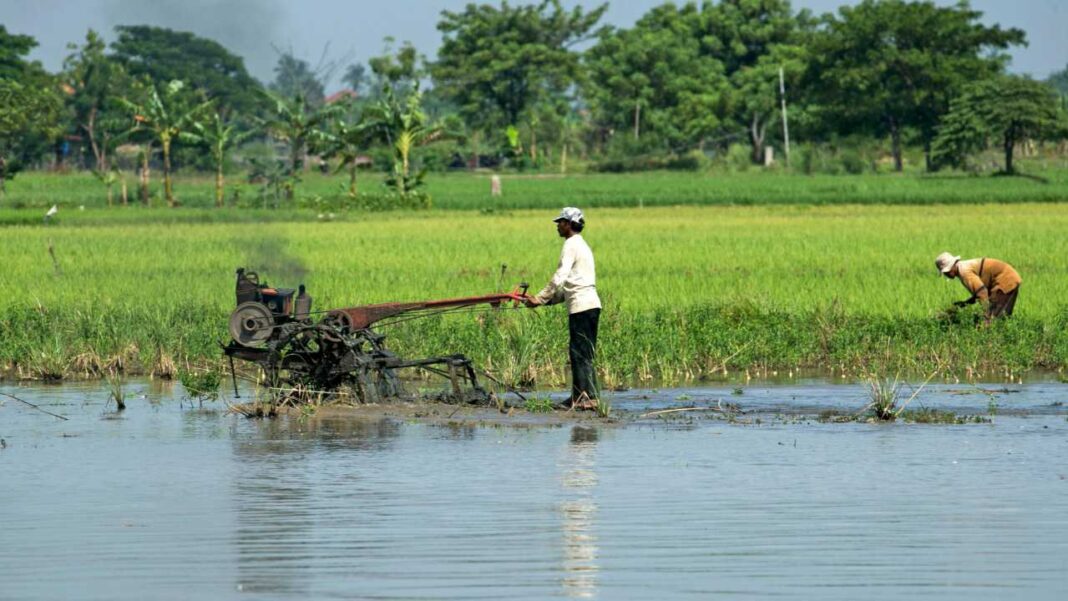
Kuwait and Kazakhstan are envisioning how Kazakhstan’s extensive agricultural production, which is one of the largest grain producers in Central Asia and one of the largest wheat exporters globally, can be delivered to consumers across the Gulf Cooperation Council and the broader Middle Eastern region from Kuwait’s strategic location— at the intersection of the major maritime trade routes within the Gulf region.
For Kuwait, which imports a majority of its food supply, establishing an economic corridor from Kazakhstan to Kuwait would directly assist in meeting Kuwait’s long-term food security objectives. The food security agenda has become an increasingly significant priority for nations attempting to navigate a world impacted by climate change, disrupted supply chains, and increasing geopolitical risk.
But it is not only about the food.
Kazakhstan also presented Kuwaiti investors with new opportunities for investing in global infrastructure projects and tech-focused developments, such as Alatau City—a project that has now been launched and will continue to gather attention around the world. It is expected to be one of the largest regional investment and innovation hubs (in Central Asia), and it reflects Kazakhstan’s overall goal to turn itself into a diversified power in the region and to move away from a resource-driven economy.
Kuwait’s interest also reflects a larger trend throughout the Gulf. In the Middle East, sovereign wealth funds and institutional investors are looking to invest in new and emerging economies in Eurasia and are investing here instead of only in traditional, Western-style economies.
As a result of a successful Kazakhstan-Kuwait partnership, there is potential for this relationship to go beyond simply a bilateral agreement between two individual partners. This partnership may eventually connect NCO-produced goods (from Central Asia) with investment capital (from the Gulf) and consumer markets (in the Middle East) in a new integrated economic zone.
Often times, significant global transitions do not begin with roads filled with glamorous headlines but in the meeting room with a handshake and shared vision between like-minded individuals.