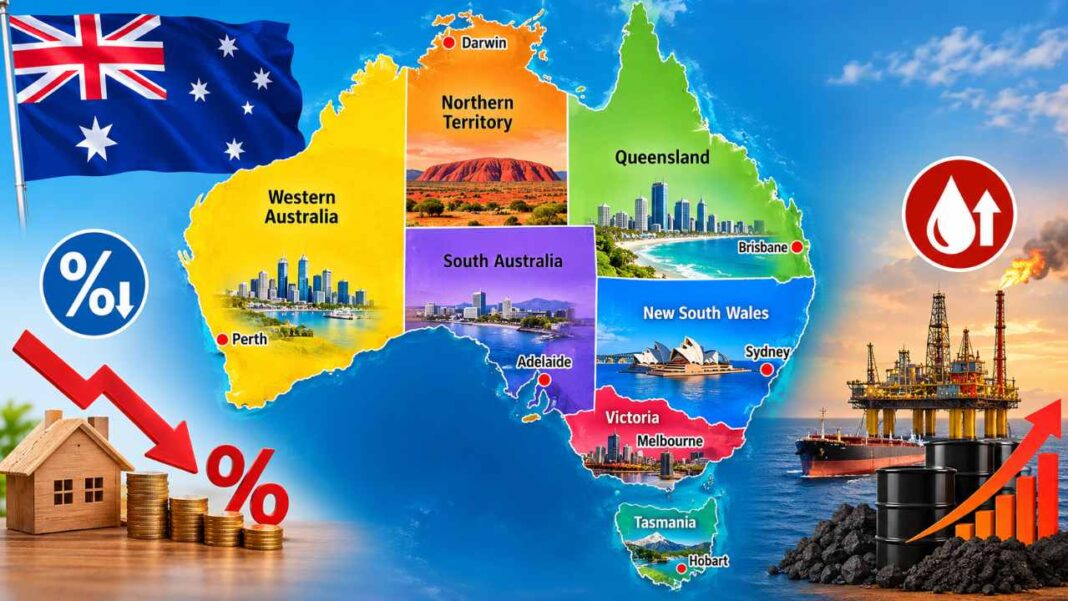

Australian households are tightening their wallets as higher borrowing costs & expensive petrol reshape spending. Recent national accounts show that while consumption remains positive, families are becoming more selective about discretionary purchases, revealing a restrained underlying picture. Mortgage repayments, elevated living expenses and uncertainty over inflation are encouraging consumers to postpone non-essential spending, creating another warning sign for retailers and businesses dependent on confident household demand.
The latest national figures underline the cautious mood today. Australia’s economy expanded 0.4 per cent during the June quarter, while annual growth reached 2.1 per cent. Household consumption increased only modestly, according to reported national accounts data, suggesting consumers are contributing to growth without displaying the spending strength normally associated with a robust expansion. The result leaves policymakers balancing inflation risks against weakening household momentum.
Interest rates remain central to that pressure. The Reserve Bank of Australia has maintained a restrictive monetary stance while watching inflation closely, leaving mortgage holders with less disposable income. For households refinancing or carrying substantial variable-rate debt, higher repayments can quickly absorb money previously available for restaurants, entertainment, holidays and major purchases. Even comfortable borrowers may choose to save more because future costs feel unpredictable.
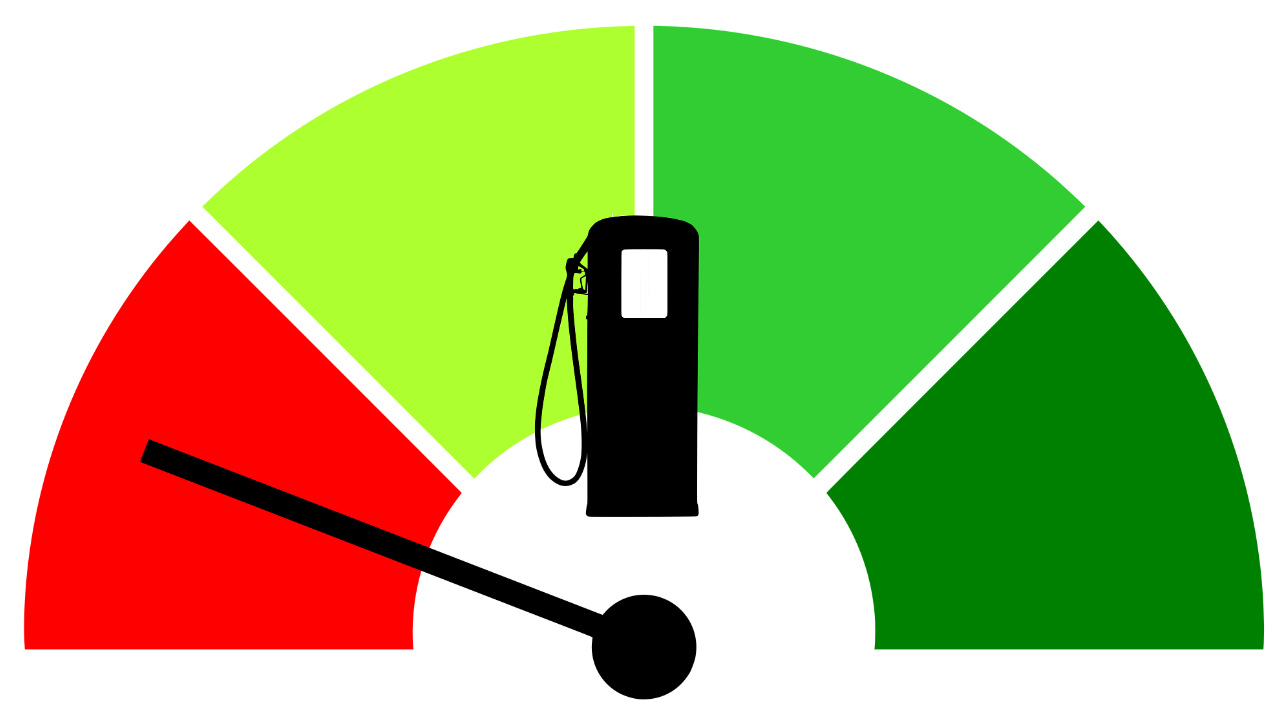
Petrol has also added another layer of pressure. Australian consumer prices rose sharply in July, with automotive fuel prices increasing 7.5%, according to figures from the Australian Bureau of Statistics. Higher fuel costs directly affect motorists, but their impact spreads further through transport, freight and business expenses. That creates broader price pressure while reducing the amount families can comfortably allocate to discretionary spending.
Travel as well as hospitality have also felt the repercussions. Reports indicate consumers have been reducing eating out besides reconsidering journeys as fuel prices surge. The shift doesn’t necessarily mean households have stopped spending. Instead, priorities are changing. Families may today favour cheaper local activities. Additionally, families may delay overseas trips or redirect money toward necessities. Such substitutions may cushion overall demand even when consumption continues growing.
However, there are pockets of resilience. Vehicle purchases increased strongly in the June quarter. This trend is with electric, besides fuel-efficient models attracting buyers seeking protection from future petrol expenses. This illustrates how higher running costs can change purchasing decisions rather than simply suppress them. Consumers are still increasingly prepared to spend when an item promises longer-term savings, practical value and lower exposure to volatile household costs.
The wider concern is what prolonged caution could mean for economic growth. Retailers, restaurants, travel operators and service providers rely heavily on discretionary expenditure. If households continue to defer their purchases, businesses may experience weaker sales. This situation may lead to slower investment. Additionally, create greater pressure on margins. That feedback loop may reinforce economic softness, particularly when productivity growth is already disappointing, besides companies are reluctant to commit capital amid uncertain demand.
Housing weakness may deepen the cautious approach. Australian home prices have recently declined across major markets, while higher interest rates are weighing on buyers, investors and owners. Falling property values can reduce household confidence, even when borrowers aren’t immediately distressed. For many families closely watching both mortgage costs and the value of their homes, preserving cash becomes more attractive than making large discretionary commitments.
Policymakers therefore face a difficult trade-off. Inflation remains sufficiently persistent to keep further monetary tightening under consideration, yet additional rate increases could place more pressure on household budgets and consumption. The Reserve Bank must judge whether demand is still strong enough to sustain price pressures or whether previous tightening is already working through the economy. The upcoming indicators for inflation, employment, and spending will be crucial.
For Australian consumers, the emerging pattern is less about abandoning spending than becoming deliberate about it. Higher interest rates, costly petrol, and uncertain economic conditions are encouraging households to distinguish necessities from luxuries. As a result, this caution may continue until economic pressures ease. This is while confidence gradually improves. Businesses, meanwhile, may need sharper value propositions. This is because customers are demanding more value for every dollar they spend. This reflects household behaviour, a test of Australia’s economic resilience.