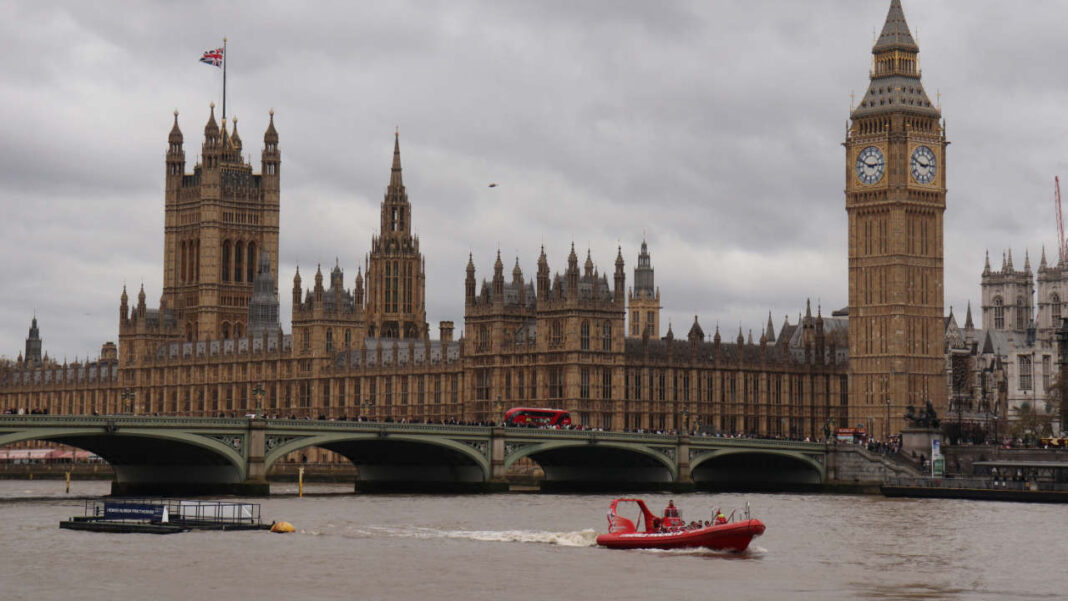

Prime Minister Andy Burnham entered the House of Commons on September 1 for his first parliamentary test since taking office 6 weeks earlier. His debut came as Britain confronted weak growth, high living costs & international instability, giving opposition MPs an early opportunity to challenge the new Labour government directly.
Burnham used the occasion to argue that Britain needs a different political direction, with stronger local decision-making and greater public influence over essential services. He linked economic renewal to reversing decades of centralization and privatization, besides regional inequality, while presenting his government as determined to rebuild confidence beyond Westminster as well as London.
The prime minister also faced questions about how his ambitious programme would be financed. Measures involving energy bills, transport, housing & public services could require substantial resources for delivery. With the autumn budget approaching, opposition politicians are expected to press Burnham for clearer figures and spending choices besides explanations of delivery.
Defense & foreign policy added another layer of pressure. Burnham has reaffirmed Britain’s support for Ukraine & is preparing decisions on defence spending, while conflicts in Europe as well as the Middle East continue to shape the government’s agenda. His Commons appearance therefore tested domestic proposals besides his readiness for international responsibilities.

Prison policy was another prominent issue surrounding Parliament’s return. The government has moved to modify controversial early-release arrangements while seeking additional prison capacity. Burnham faces the difficult task of balancing public safety, overcrowded institutions & legal pressures, an issue likely to remain politically sensitive as ministers develop their justice strategy.
Conservative leader Kemi Badenoch used the parliamentary encounter to draw distinctions with the new government. Conservatives have criticised Burnham’s emphasis on public ownership & intervention. They argued that Britain needs stronger private-sector growth besides tighter control of spending. The exchange established an early dividing line between Labour’s programme and its opposition.
Burnham nevertheless sought to frame his premiership around cooperation rather than permanent confrontation. He signalled his openness to working across party boundaries. This also included an emphasis on devolving authority to regions. His proposal for a much stronger northern governmental presence reflects his long-standing argument that economic opportunity should not remain concentrated in Britain’s capital.
The Commons debut was only an opening test, but it gave voters & lawmakers a clearer picture of Burnham’s governing style. The coming months will provide judgments as ministers confront the budget, defense commitments, migration, and energy policy, as well as public-service reform. His ability to turn promises into results will face scrutiny.