
Port Moresby, Papua New Guinea – June 25, 2026 – As the highlands region of Papua New Guinea continues to experience extreme weather patterns caused by the current El Niño phenomenon, the likelihood that many rural communities will be forced into a state of food insecurity rises dramatically, placing over 3 million people at risk for food shortages nationwide. Oxfam PNG has named PNG as the worst-hit in the Pacific as a result of the current El Niño, stating approximately 1.9 million people are in danger due to the heatwave/persistent dry spell in the highlands.
The reason for the dire situation is because many Highland farmers/subsistence producers rely on small backyard gardens not only to feed their families daily but also to produce cash crops to sell at the market to buy goods/other items. For nearly a year preceding the date noted above, rain was below average in the Highlands; combined with frost that has occurred repeatedly in the Highlands as well as invasive pests that have severely damaged crops/livestock, rural communities have been forced into a state of food insecurity.
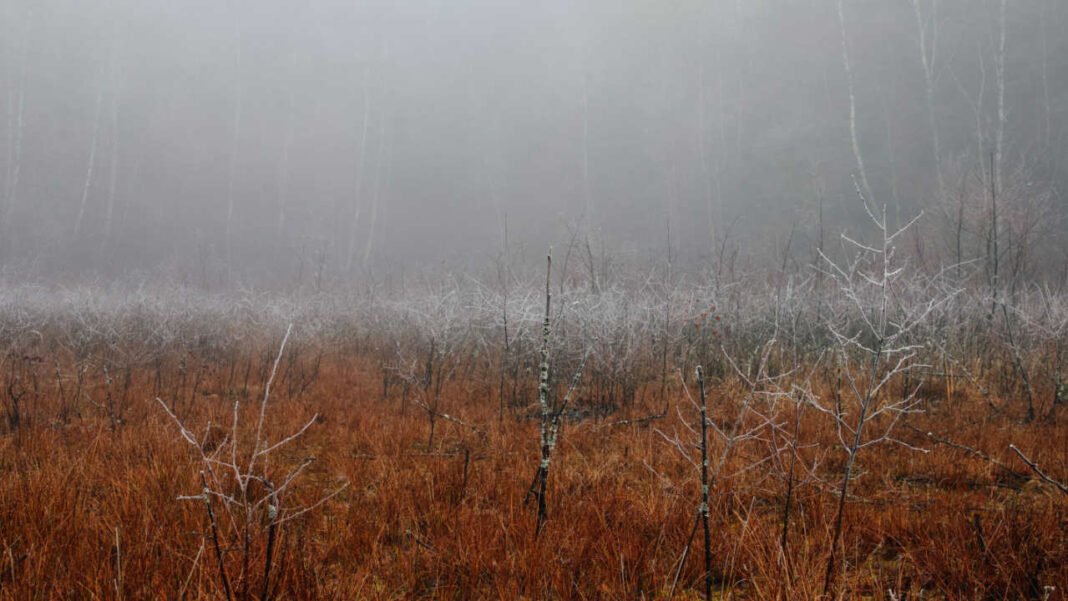
Farmers living in parts of Tambul, which is located in the Western Highlands of PNG, reported waking up to their gardens covered in frost, which destroyed their fruits/vegetables as well as staple food crops overnight. In one case, an assessment conducted by the National Agriculture Research Institute found that a potato farmer in Tambul lost approximately 50 per cent of his potato crop.
El Niño is not simply “dry weather”; it’s a climatic phenomenon in the tropics of the Pacific Ocean that changes ocean temperatures and modifies precipitation patterns as far away from the ocean as possible. According to NOAA, El Niño is the “warm phase” of a climatic pattern, known as the El Niño-Southern Oscillation, or ENSO, that can be affected by the weather across the globe, while the World Meteorological Organization states that El Niño is usually responsible for the occurrence of more extreme weather events, such as windy, rainy, and dry weather.
In the Highlands of Papua New Guinea, this mechanism creates extreme conditions; reduced cloud cover allows heat to escape into space during the night, leading to temperatures dropping below freezing and frost destroying crops that are sensitive to this type of event.
In addition to the effects on agriculture, these weather crises are now affecting other facets of life. Oxfam PNG reports that many of the rivers and creeks in the Highlands are no longer flowing, thereby forcing many communities to locate alternative water sources. Some schools have reported to Oxfam that they have reduced their school hours due to excessive temperature and water shortages. Prime Minister James Marape has asked all provinces and districts to have early preparedness plans for a long dry season, while disaster minister Billy Joseph has stated that many of the regional assessments of the once-available water supply have confirmed that there has been a reduction in the amount of rain and the amount of water in food gardens due to a reduction in the water supply. Oxfam PNG estimates that approximately 4.7 million people living in the Pacific are at increased risk of drought, erratic rainfall, flooding and sea level rise as a result of El Niño.
As Highland communities move forward into the coming months, the question will shift from whether El Niño has arrived to how many households will be able to withstand its next assault.