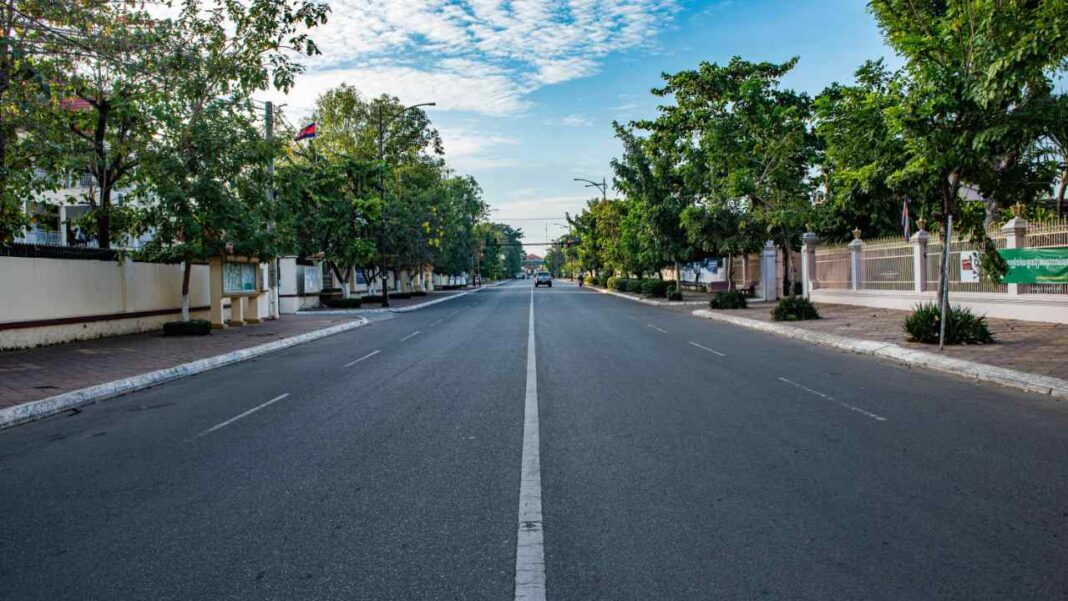

Transport operators in Kenya have temporarily stopped their nationwide strike after holding talks with the government about the sharp rise in fuel prices. The strike had caused major disruption across the country, especially in the capital city, Nairobi. Public transport services suffered significantly, leaving many roads nearly deserted.
The transport groups said they would pause the strike until next Tuesday to give the government more time for discussions. However, they cautioned that the protest might resume if the government fails to reach a satisfactory solution within the next seven days. The strike entered its second day on Tuesday after large demonstrations took place on Monday.
Authorities reported that the protests resulted in the deaths of at least four people and injuries to around 30 others. More than 700 people were also arrested in different parts of the country. Kenya’s interior minister, Kipchumba Murkomen, said the government had made progress after meeting representatives from the public transport sector.
He explained that more high-level discussions would continue during the coming week. Edwin Mukabane, chairman of the Federation of Public Transport Sectors, said the operators were not fully satisfied with the agreement. He said they only suspended the strike to allow room for negotiations. He also warned that the strike would return if the government failed to act.
Even after the announcement, many parts of Nairobi remained quiet on Tuesday morning. Several businesses stayed closed and schools did not reopen. Many people were still forced to walk long distances because only a few buses and minibuses had resumed services.
Police officers continued patrolling the streets as some protesters reportedly blocked roads. Authorities asked demonstrators to stay peaceful and avoid damaging property or looting shops. Human rights groups criticised the police’s response to the protests. Vocal Africa condemned what it called the use of excessive force by security officers.
The Kenya National Commission on Human Rights also demanded investigations into the violence and property destruction. In the coastal city of Mombasa, transport services slowly returned, and daily activities began returning to normal. The protests started after diesel prices increased sharply.
The government later reduced diesel prices by 10 shillings, but transport operators said the cut was too small. They want prices reduced by as much as 46 shillings. Kenya depends heavily on fuel imports from Gulf countries. Global fuel prices have remained high because of tensions linked to the recent US-Israel and Iran conflict, which disrupted oil supply routes.