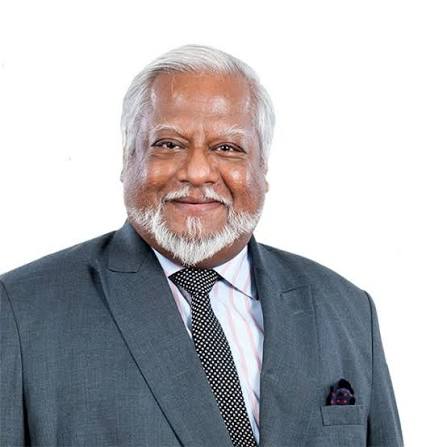
Commonwealth_ An Alberta-based analyst is calling on Canada’s military to tackle white supremacy within its ranks before the issue becomes more deeply rooted. Political scientist Andy Knight, who was asked by the military to study this problem, emphasizes the need for immediate action to dismantle the cultural environment that allows extremist ideologies to spread.
Knight’s research reveals that the current culture within the Canadian Armed Forces (CAF) often favors white, male, and Christian identities, creating systemic disadvantages for marginalized groups such as women, people of color and newcomers. “It’s a long-standing historical problem,” Knight stated in a recent interview. “This is a wake-up call for the military … they need to address this issue before it escalates.”
Knight, a professor at the University of Alberta, is scheduled to meet with defence and military officials in Ottawa to discuss his findings and offer recommendations. His report stems from a proposal submitted to the Department of National Defence, following a 2022 review by a panel of retired Forces members that criticized the military for failing to prevent white supremacists and other extremists from infiltrating its ranks.
Knight’s study is built on interviews with both current and former soldiers, along with academic research and media reports. It exposes a troubling rise in anti-Black, antisemitic, and xenophobic attitudes within the CAF. The report highlights that white supremacist beliefs often begin at the recruitment stage, with the military largely drawing recruits from rural areas with limited diversity. According to the study, about 90% of soldiers are white men, fostering an environment where extremist views can take hold.
The report further notes that some recruits enter the military already holding fringe opinions about race, religion, immigration, gender, and sexuality. These views can spread through social media and through bonds formed within units, often out of sight from commanding officers. One soldier recounted serving alongside individuals who openly admitted joining the military to “learn how to kill brown and Black people.”
Instances of discrimination extend beyond race. The study also sheds light on gender inequality in the Forces. One recruit shared their experience of being forced to undress in front of an instructor, while a male colleague was permitted to change in the privacy of a tent. Another soldier was marked absent for praying during Ramadan, despite having obtained permission from his leaders.
These exclusionary practices not only drive out qualified individuals but also deter others from joining the CAF. The military is already grappling with a personnel shortfall of nearly 10,000 members, further emphasizing the need for an inclusive and welcoming environment.
While the CAF has taken steps to address discriminatory behavior, Knight’s report stresses that more needs to be done. Defence Minister Bill Blair has echoed this sentiment, stating that combatting bias and discrimination requires relentless effort. He warned that racism within the Forces weakens military cohesion and undermines operational effectiveness.
To combat white supremacy, Knight recommends a series of reforms. These include implementing more rigorous recruitment screening processes to prevent extremists from enlisting and establishing a zero-tolerance policy for any form of extremism. He also advocates for specialized training for senior officers to help them identify the often-subtle symbols, slogans, and imagery associated with white supremacy.
Ultimately, Knight underscores the need to reshape military culture — not just to root out extremism, but to foster a more inclusive environment where all service members, regardless of race, gender, or background, feel respected and valued. As Canada’s military moves forward, these findings and recommendations serve as a stark reminder: addressing systemic discrimination is not just about protecting the integrity of the Forces, but about ensuring that every soldier can serve without fear of prejudice or exclusion.