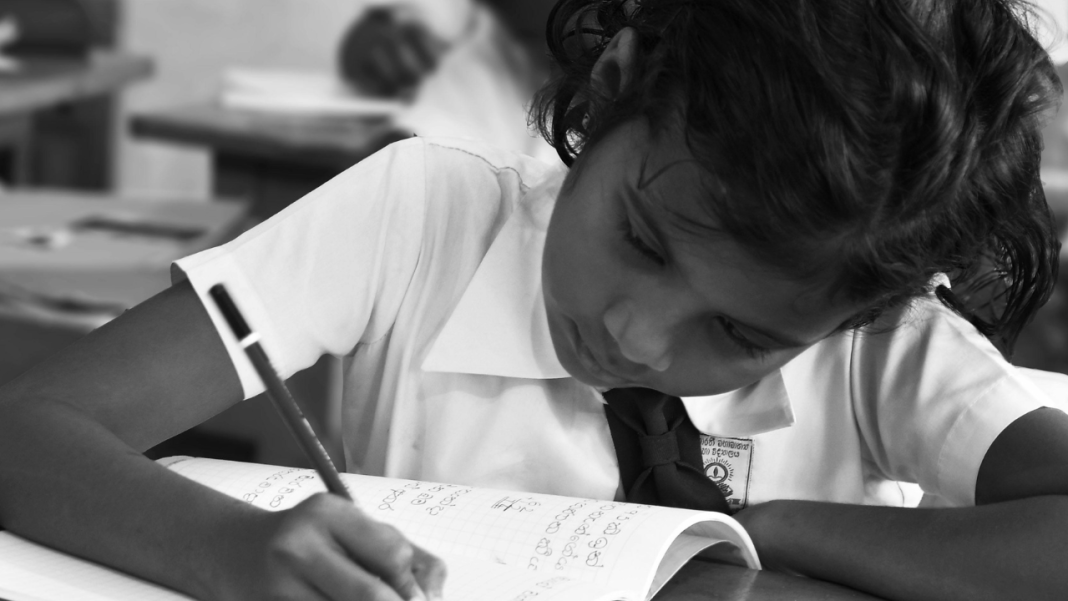

The World Bank’s continued partnership with Sri Lanka reflects its long-standing commitment to education, with recognition that education is a catalyst driver in Sri Lanka’s development besides social mobility.

In a major stride towards transforming education in Sri Lanka, the World Bank has approved an additional US$50 million to finance the strengthening of the ongoing General Education Modernisation Project (GEMP). This expanded funding is expected to benefit approximately 500,000 students and 150,000 teachers across the 9 provinces of the country. Special focus would be on Sri Lanka’s underserved and marginalized communities.
This World Bank grant materializes at a critical time as Sri Lanka continues its efforts to implement sweeping educational reforms aimed at improving teaching quality and modernizing infrastructure, besides enhancing student health & well-being. The new allocation is expected to support schools in the urban, rural, and estate sectors. This funding includes schools serving children with disabilities & plantation communities. The objective is to foster a more equitable & inclusive education system.
The World Bank Divisional Director for Maldives, Nepal, and Sri Lanka—David Sislen—shared that this support is about making sure every child in Sri Lanka has the opportunity to learn in a safe, inclusive environment and that every teacher has the tools they need to help their students thrive.
Supporting Teachers besides Enhancing Digital Learning
Teacher effectiveness would be one of the objectives expected from a major component of this additional funding. The fund is expected to
- Modernise pre-service programs on teacher training.
- Expand continuing professional development. This would be with a focus on digital tools besides e-learning platforms.
- Strengthen school-based teacher development, which is expected to align teacher competencies with 21st-century learning needs.
Digital transformation becomes a cornerstone of the intended reform. The project aims to better prepare teachers in utilizing online resources and digital classrooms besides interactive learning platforms. This is expected to create more engaging & personalized educational experiences for students.
Strengthening School Health & Student Well-being
With a holistic approach to education, the project will also significantly boost the school’s health and nutrition program. Additional financing is expected to support:
improved access to clean water & sanitation facilities.
o Promotion of menstrual hygiene management besides reproductive health awareness among female students.
Increased access to school mental health support, besides counseling services.
These initiatives are aimed not only at enhancing academic outcomes but also at creating a safe & supportive school environment. It’s particularly meant for girls & students from disadvantaged backgrounds.
The World Bank’s Lead Economist & Task Team Leader, Harsha Aturupane, was quoted as saying that additional funds will be utilized to benefit children in rural & estate areas with special emphasis on female students.
A National Commitment to Inclusive Education
The Ministry of Education is implementing this project in collaboration with Provincial Educational Authorities. This will ensure that the intended reforms reflect both national priorities & local educational needs. It’s expected that with this new financing, the project will continue its mandate to bridge disparities in educational access and quality.
Since its launch 7 years back in 2018, the General Modernisation Project has already achieved significant milestones:
- Enhanced English & mathematics skills among students in both rural & estate schools.
- Expanded access to digital learning materials & ICT tools.
- Improved school support facilities, including classrooms, libraries & laboratories.
- Delivered teacher training programs across government schools in Sri Lanka that number about 10,000.
These outcomes have laid the infrastructure for a more inclusive, equitable, & skill-oriented education system that prepares students for both higher education and employment in a competitive global economy.