
Trinidad and Tobago has found itself at the centre of renewed regional security debate after a US military radar was installed in Tobago, prompting questions about whether the Caribbean nation could become entangled in Washington’s confrontation with Venezuela.
Prime Minister Kamla Persad-Bissessar has defended cooperation with the United States, maintaining that the military presence is connected to improving surveillance and combating narcotics trafficking rather than preparing for operations against Venezuela.
The issue intensified after a US C-17 aircraft arrived in Tobago. Initial explanations indicated that American Marines were supporting infrastructure work, including improvements involving roads and airport facilities. Subsequent reports showed Marines remained on the island.
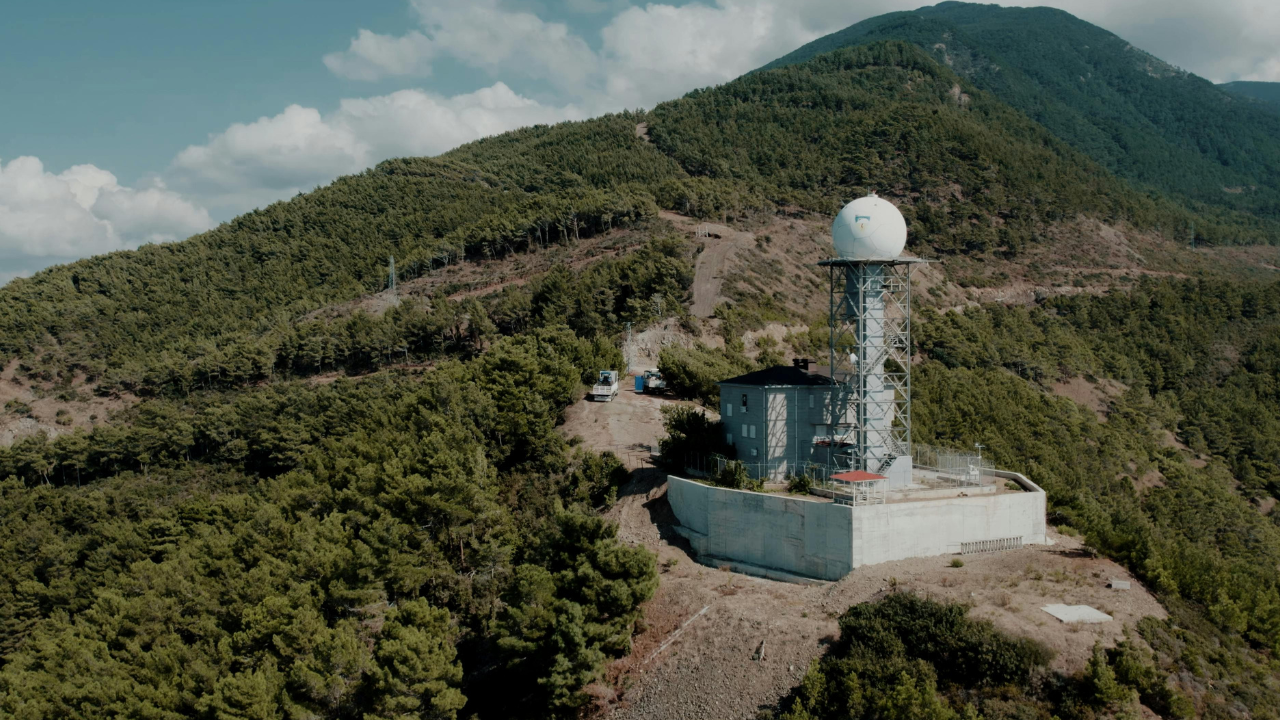
Persad-Bissessar later acknowledged that US personnel were present, explaining that their activities included work on radar capabilities. According to the prime minister, the equipment would strengthen Trinidad and Tobago’s ability to monitor maritime activity and track suspected narcotics movements.
The radar’s location has added to the controversy. Tobago lies close to Venezuela, making any expansion of foreign military capabilities there particularly sensitive as tensions between Washington and Caracas continue to influence Caribbean security calculations.
The government argues that enhanced surveillance could provide practical benefits for Trinidad and Tobago, especially as authorities confront trafficking networks operating through regional waters. The administration has therefore portrayed the cooperation primarily as a security measure.
Opposition politicians have taken a sharply different position, accusing the government of allowing the country to become too closely aligned with American military objectives. Their criticism reflects broader concerns over sovereignty and the possible consequences of hosting advanced foreign defence technology.
The controversy has also emerged against a backdrop of expanding US counter-narcotics activity across the Caribbean. American forces have conducted strikes against vessels suspected of transporting illegal drugs, intensifying debate about Washington’s military strategy throughout the region.
For Trinidad and Tobago, the challenge is balancing cooperation against organised crime with maintaining an independent foreign-policy position. The government faces pressure to demonstrate that security assistance will not compromise national sovereignty or unnecessarily increase regional tensions.
The developments have consequently placed Tobago under an unusual international spotlight. As Caribbean governments navigate relations with Washington and Caracas, Trinidad and Tobago’s experience demonstrates how anti-trafficking cooperation can quickly become intertwined with wider geopolitical and security concerns.