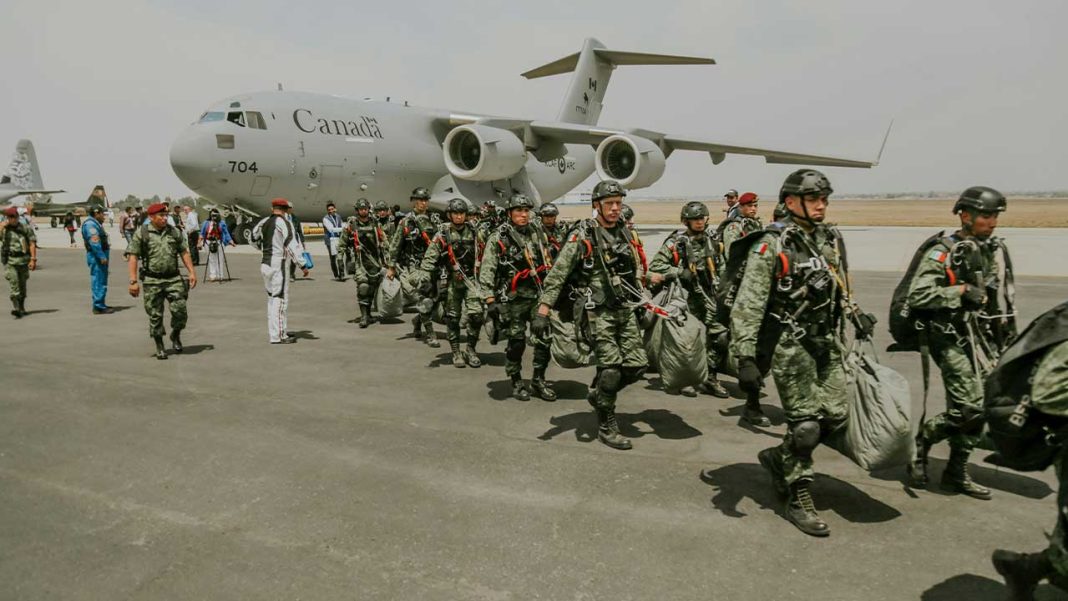

Canada seeks to upgrade its military, develop an industrial base, and forge new commercial partnerships at a wartime pace. It’s likely that a failure to execute may lead to others, notably the U.S., stepping in.
Canada’s enthusiasm for rapid militarisation began the moment Donald Trump demanded more from the USA’s NATO allies. It deepened when Trump mused about taking over parts of the Western Hemisphere. This extent covered the areas from Panama to Greenland & even put forth the idea of Canada being the 51st American state.
For Canadians, the exercise was initially a budgetary task. The objective was to find ways to allocate tens of billions of dollars to Canada’s still relatively small and often overlooked military. This task was prioritised once Trump sent the U.S. military to Venezuela. The intervention was a warning for Canada and its armed forces to take a sharper focus. So, the Canadian border with its southern neighbour is no longer a gate but instead a hard line that needs to be defended.
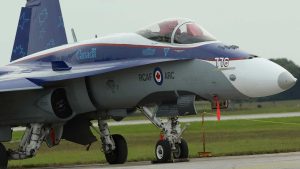
For Canada, it’s still a daunting task to build a large military, as it’s the biggest task since World War 2. During wartime, Canada can swiftly implement extraordinary measures such as state-run supply chains. In peacetime, Canada adopted a more cautious approach, requiring more negotiation at each step. The public’s fading memory of the Afghan mission has made the task more challenging. Additionally, the military bureaucracy has faced challenges even with significantly smaller scales of procurement and deployment.
The industrial base becomes another challenge. On hearing the words ‘military industrial complex’, most Canadians will say ‘no thanks’. Before Trump returned to office, Canada ranked 27th out of 31 NATO nations when it came to military spending as a share of GDP. In fact, defence spending had languished for the past 25 years at levels far below the late 20th-century averages. Military enrolment has been in terminal decline, involving less than 2 service members per 1,000 citizens. Even peacekeeping has now declined to only a few dozen blue helmets.