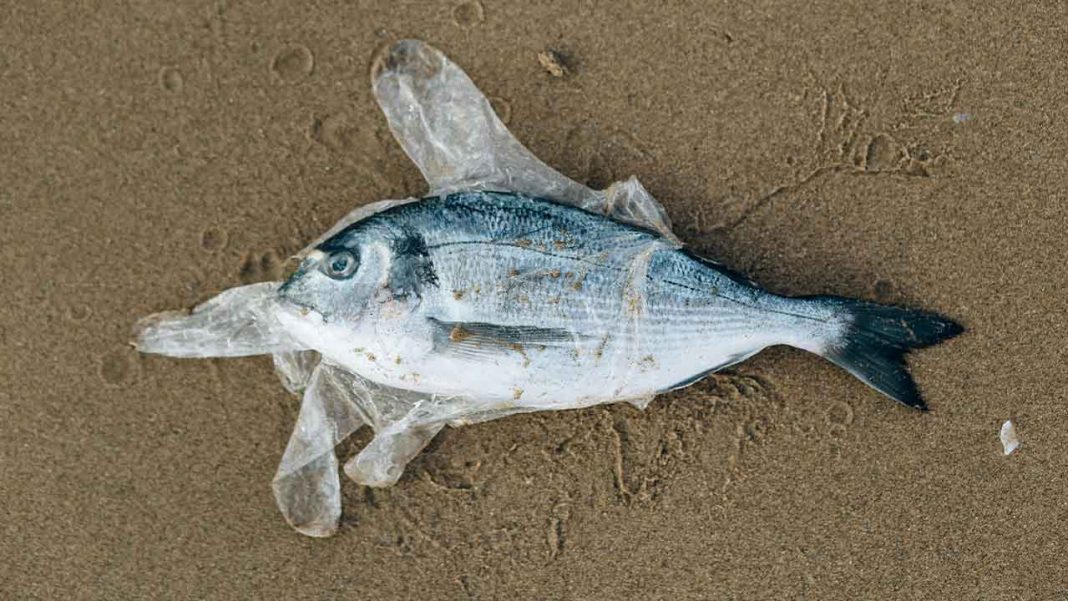

New research shows that microplastic pollution has reached even the most remote and isolated Pacific island waters, contaminating about one‑third of fish, which are very commonly caught and consumed by coastal communities. These findings, which were published on January 28th, 2026, in the open‑access journal PLOS One, highlight the widespread presence of even incredibly tiny plastic particles in marine food chains across Fiji, Tonga, Tuvalu, and Vanuatu, all of which are a part of the Commonwealth, showing significant variation between islands.
Researchers from the University of the South Pacific have analyzed data from nearly 900 fish representing 138 species captured by local fishers. And through all of them, approximately 33% of these fish contained at least one microplastic particle in their digestive systems. Although the actual amount of plastic detected in everyone was generally low, the prevalence is notable because many Pacific Island Countries and Territories (PICTs) rely heavily on fish as a primary source of protein, livelihoods, and cultural identity.
Contamination rates varied sharply across the region. In Fiji’s waters, nearly 75% of sampled fish contained microplastics, significantly above global averages, while only about 5% of fish sampled in Vanuatu showed evidence of contamination. Researchers suggest that differences in population density, coastal development, and waste management systems may help explain these disparities. Islands with rapid urban growth and limited waste infrastructure may be particularly vulnerable to plastic pollution entering marine ecosystems.
The study also examined how ecological traits influence microplastic ingestion. Reef‑associated fish and bottom‑dwelling species were more likely to contain microplastics than those in open ocean or lagoon habitats. Feeding behaviors, such as hunting along the seafloor or preying on invertebrates, appeared to increase exposure, suggesting that where and how fish feed plays an important role in contamination risk.
Scientists warn that we don’t yet fully understand how eating microplastics affects human health. But one thing is clear—it is very clear that even far-away oceans, which were once thought safe, are now filled with plastic waste. Analyzers say this information should help shape stronger national and global rules, including a Global Plastics Treaty to limit plastic production and harmful additives.
As microplastics continue to fill marine ecosystems worldwide, this study offers a very sobering reminder that geographical isolation does not protect communities from environmental contamination and that stronger action is needed to check the flow of plastics into the world’s oceans.