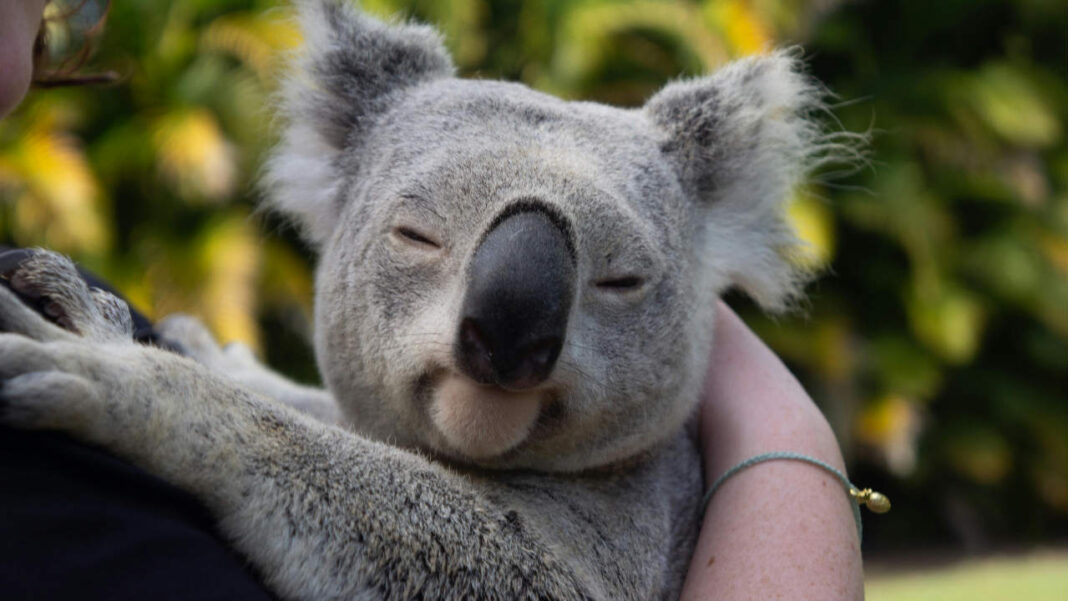

On Commonwealth Day, countries in the Commonwealth of Nations, like many other nations, reflect on the many challenges they have faced together, from difficult histories to modern problems like climate change and environmental damage. Many Commonwealth nations are dealing with habitat loss and the decline of wildlife. However, nature can also recover with the right protection. A recent study in Australia shows that koala populations in some areas are slowly recovering after a major population decline. Their growing numbers are helping rebuild lost genetic diversity.
Koalas in southeastern Australia are showing that wildlife can sometimes recover from the edge of extinction. New research suggests that as their population increased, their genetic variety also began to improve. Scientists say this change could help the animals adapt better to future environmental challenges and increase their chances of survival.
The findings were published on March 5 in the journal Science. Researchers say the story of these koalas offers an encouraging example for other species that are trying to recover after their numbers have dropped dramatically. The Australian state of Victoria nearly saw the extinction of koalas more than a century ago. They faced heavy hunting during the late 1800s and early 1900s for their fur, a valuable commodity at the time. As a result, the population shrank rapidly.
By the early 20th century, scientists believed that only about 500 koalas remained in the region. To protect the remaining animals, conservationists moved small groups of koalas to nearby islands. The idea was to keep them safe and allow their numbers to grow without the pressures they faced on the mainland. Over time, these island populations began to increase. As their numbers became larger and more stable, wildlife managers started moving some of the koalas back to mainland Victoria.
This effort slowly helped rebuild the population. Over several decades, the number of koalas in Victoria grew significantly. By 2020, scientists estimated that the population had reached close to half a million animals. Although this growth is considered a major conservation success, researchers were concerned about one important issue: genetic diversity. Many genetic traits can disappear when a population shrinks significantly. Such an event is known as a genetic bottleneck. With fewer genes in circulation, animals may be more likely to breed with close relatives, which can lead to inbreeding.
Inbreeding can sometimes cause health problems, including deformities or reduced ability to survive diseases and environmental changes. Because the modern koala population in Victoria came from a small number of ancestors, scientists expected that genetic diversity would remain very limited. To better understand what was happening, researchers studied the genetic information of 418 koalas from 27 different populations across eastern Australia. The team examined how the animals’ genomes, the complete set of genetic instructions in their cells, have changed over time. They also looked at how each population rose or declined and how genetic variation shifted during those changes.
The results confirmed that Victoria’s koalas still have lower genetic diversity compared with populations in northern Australia. However, the study also revealed something surprising. As the number of koalas increased and the animals began breeding more frequently, their genes started mixing in new ways. This process created many different genetic combinations. New mutations also appeared naturally over time. Some of these genetic changes may help the animals stay healthier or better adapt to their environment.
Scientists noticed early signs of improvement in the population’s health. Certain physical problems that had appeared in the past, such as tooth and reproductive organ abnormalities, are now less common. Researchers believe that these improvements may be linked to the new genetic combinations developing within the growing population. In contrast, koalas in northern parts of Australia currently have a higher genetic diversity, but their populations are now declining due to habitat loss, disease, and other threats.
If their numbers continue to fall, they could eventually face the same kind of genetic bottleneck that Victoria’s koalas experienced in the past. The researchers say the recovery in Victoria shows how nature can sometimes rebuild itself when populations are allowed to grow quickly and safely. Other species have also exhibited similar patterns. For example, some invasive species have rapidly expanded from tiny founding groups and later developed new genetic variation as their populations grew.
Experts say the koala study provides rare real-world evidence of how a species can recover genetically after a severe decline. While challenges remain for koalas across Australia, the findings offer a hopeful message for conservation efforts. By protecting habitats and supporting population growth, scientists believe it may be possible to give struggling species the chance to rebuild both their numbers and their genetic strength over time.