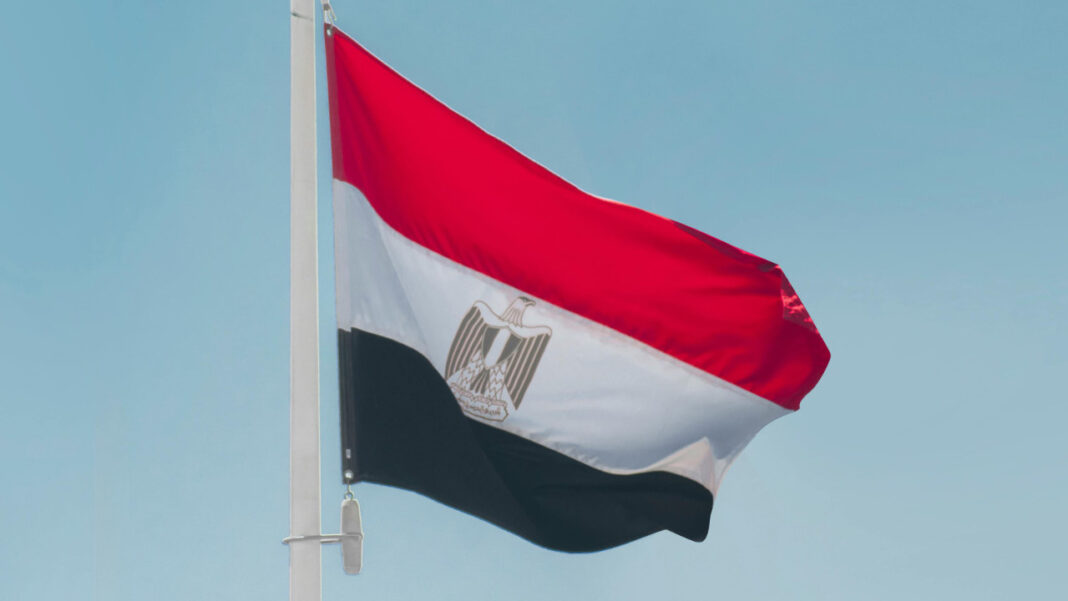

On Monday, the Egyptian Foreign Ministry issued a strong but balanced warning about escalating violence in the region, which is harming both civilians and critical infrastructure. Through its statements, the ministry reiterated the necessity of following both international and humanitarian law as well as abiding by the United Nations Charter so that they do not contribute to an increased level of disorder in the region and further draw attention to bombings and missile launches into residences and energy producers.
Egypt issued a particularly strong condemnation of the Iranian air strike on a civilian facility in Al-Kharj through unusually specific language, also stating that it had complete solidarity with Saudi Arabia, Iraq and Jordan in respect of the attack. The Egyptian Foreign Ministry further stated that attacks targeting civilians or oil infrastructures would not only directly affect the individuals targeted, but could also have long-term implications for humanitarian security and economic stability in the region.
At the same time, Cairo has once again expressed its criticism of alleged Israeli air strikes in Lebanon, which have resulted in the displacement of over 600,000 people. The Ministry of Foreign Affairs has described these actions, in addition to the violence, as violations of building long-term trust between all parties and the rules of international law, and as actions that will create new cycles of violence and make it even more difficult to find diplomatic solutions.
According to analysts, the region now faces a dangerous combination of localised strikes and strategic messaging: tactical strikes against civilian targets or critical infrastructure can quickly escalate into a larger conflict. However, addressing both the current and future violence will necessitate political solutions. The Ministry of Foreign Affairs’ appeal to “wisdom and dialogue instead of military solutions” points to the most viable path to break the cycle of retaliation – through quiet diplomacy, third-party mediation and renewed commitment to humanitarian norms. These are modest prescriptions, but history has shown that even limited measures to build confidence in the relationship of the various parties to the conflict – such as humanitarian pauses, protected corridors or independent investigations – can reduce tensions and save lives.
An interesting point: This statement has been published by an Egyptian newspaper, the Egyptian Gazette, on the 9th of March 2026 – the oldest English-language daily in the region. As such, calls for restraint not only represent immediate policy calls; they represent an enduring tradition of public debate and record-keeping. The message is clear and urgent: in situations where civilians are suffering, we must combine political resolve with restraint. For millions of people living between warring factions, peace is the only guaranteed path to safety, despite its tenuous nature.