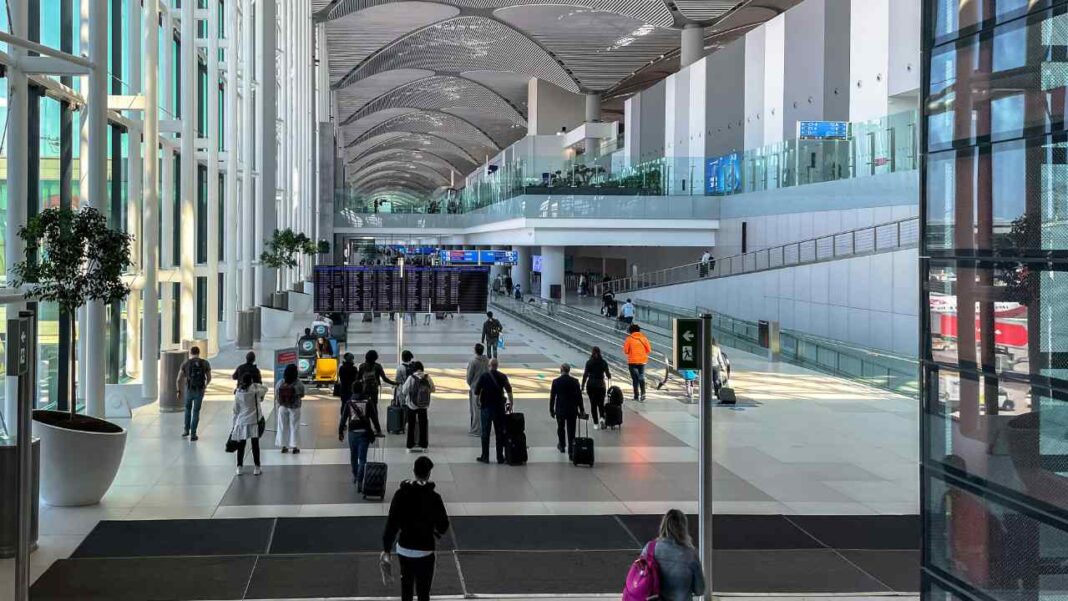

Even before a single traveler has walked through its terminal, Western Sydney International Airport (Nancy-Bird Walton) is already having an impact on how airline’s view time. Scheduled to open in late 2026 and operate around-the-clock from the second half of that year, the new airport will not only add another runway to Sydney’s aviation system but also introduce a 24-hour operational model—giving carriers a resource increasingly rare: freedom of schedule.
That freedom is even more valuable given the long history of Australian aviation being constrained by the limitations on operations at Kingsford Smith Airport (SYD). With Western Sydney International, Sydney will have the only 24-hour airport in Australia, allowing for late-night outbound and early-morning flights and tighter connections between international flights. Essentially, airlines will have the ability to develop schedules based on demand and connectivity, without considering the need to work around noise restrictions and slot restrictions.
Singapore Airlines’ commitment to operate on the new Western Sydney International (WSI) Airport from November 23, 2026, marks an important milestone in aviation history as it will be the first international airline to fly from the new facility. The fact that tickets for the new route are already available for purchase is a testament to the potential of WSI becoming an important global gateway for passengers, even before it officially opens.
Singapore Airlines’ routing details for the Airbus A350-900 perfectly illustrate this. The aircraft will accommodate 303 passengers with 72 seats in Business Class and 231 in Economy Class. Flight 8833 departs Western Sydney on a daily basis at 11.59 PM (local time) and arrives in Singapore via Changi Airport at 5.00 AM (local time). Returning to Western Sydney, the aircraft departs Singapore daily at 11.30 AM (local time) and arrives at IWS at 10.20 PM (local time). The dynamic nature of the 24-hour airport facilities at WSI is going to provide airlines operating out of it with consistent, predictable, and accurately timed departures and arrivals.
For airlines, having access to a 24-hour airport is not just a convenience; it is an operational advantage. Flights that arrive and depart at night will go a long way in facilitating the long-haul rotation of aircraft and lessen the competition between airlines trying to land during peak times. Passengers will benefit from having additional travel options and will have easier same-day connections (especially through major hub airports) while giving them the freedom to travel according to their needs rather than having to comply with strict airport curfews.
But this is only part of the objective. The Western Sydney International Airport is being developed as part of a larger investment in Western Sydney with plans to open for cargo in July 2026 and start bringing in passenger traffic in October 2026. The phased approach to construction and the phased opening of cargo flights will allow airports to be operational from the first day of operation, as opposed to being symbolic.
We can see the potential impact of the airport long before the first passengers enter the terminal. The airport has altered the way in which airlines plan their routes and how they behave as well as what kind of revenue they will generate from commercial sources long before the completion of the first gate. This case is a prime example of how an infrastructure project can disrupt the marketplace prior to any flights being boarded at the airport. The development of air traffic through Western Sydney has already begun and will continue to grow in many aspects, including its flight schedule.