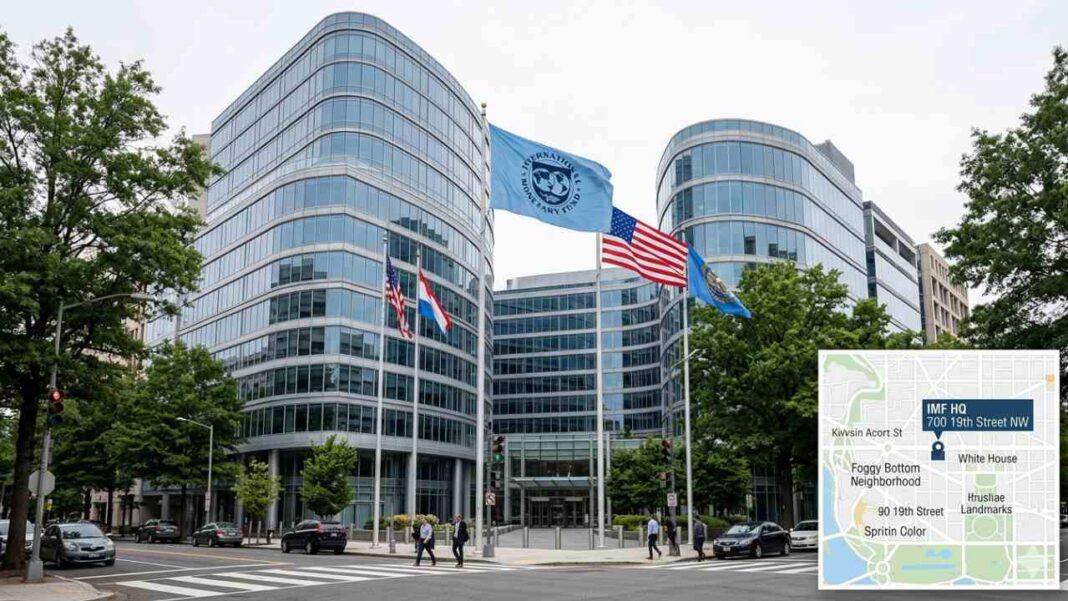

The International Monetary Fund (IMF) said on Friday, 17 April ’26, that the Middle Eastern war is likely to widen economic differences across the Caribbean & Latin America. This was expected to give some short-term support to oil exporters while worsening the outlook for tourism-reliant Caribbean economies, aside from energy-importing countries in Central America.
The warning appearing in a blog post follows the release earlier this week of the global lenders’ updated World Economic Outlook. It projected the Caribbean & Latin American region with a growth of 2.3% in ’26, an insignificant change from 2.4% reflected the year before in ’25. It’s forecast to pick up slightly to 2.7% next year in ’27. The largest economy in the region is Brazil, which is forecast to grow 1.9% this year. Meanwhile, Mexico is expected to expand by 1.6%.
The IMF also added that the region had commenced ’26 in relatively solid shape. This was with inflation in many countries near target & growth holding close to trend. The IMF added that the war had become a fresh external shock. It was driving swings in market sentiment. Additionally, tightening financing conditions are occurring alongside sharp moves in commodity prices.
On Friday, 17 April ’26, the price of both Brent & WTI crude oil tumbled more than 10%. The drop was after Iran’s foreign minister announced that passage for all commercial vessels through the key Strait of Hormuz was open during a ceasefire. Yet prices for both benchmarks have risen by roughly 45% so far in ’26.
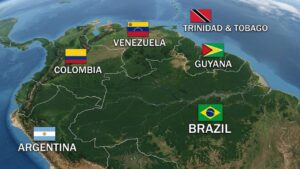
The IMF is scheduled to hold its spring meetings in Washington this week. It said that the clearest winners, at least in the short term, are the oil-producing countries. Argentina, Brazil, Colombia, Ecuador, Guyana, and Trinidad & Tobago, besides Venezuela, were amongst those that have benefited from higher energy prices. They increased export income, supported public finances, & eased pressure on their external accounts. However, the global lender also cautioned that households in those economies would still face higher fuel prices, in addition to food prices.