
Science & Technology (Commonwealth Union) – Australian scientists have produced an injectable treatment designed to open up blocked airways in flat-faced dogs.
The Melbourne-based biotech firm Snoretox, working with RMIT University, has reported promising early results with its first therapy developed from a new platform called Snoretox-1.
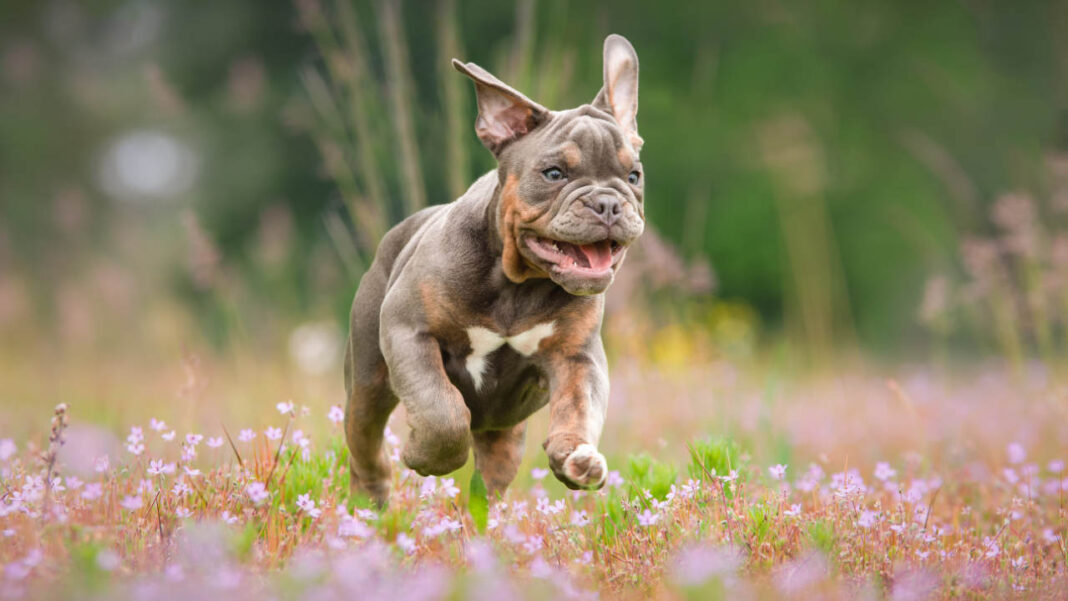
In trials, the team treated bulldogs suffering from breathing issues linked to a widespread condition in flat-faced breeds—brachycephalic obstructive airway syndrome (BOAS)—which limits airflow.
According to Snoretox Managing Director and RMIT Adjunct Professor Tony Sasse, nearly half of all pugs, French bulldogs, and British bulldogs are affected, with the condition interfering with their ability to breathe, eat, exercise, and sleep.
He noted that decades of breeding for the distinctive flat-faced look have unfortunately resulted in significant respiratory problems.
Professor Sasse further pointed out that in severe incidents, they have noticed that it can shorten the life of a dog by up to four years.
The researcher noted successful results early on. An initial trial involving six bulldogs with severe symptoms found that animals which previously struggled to complete a three-minute walk were able to do so much more comfortably after receiving the patented Snoretox-1 therapy, showing clear reductions in breathing noise and effort.
The first results, published in The Veterinary Journal, revealed that all six dogs showed noticeable improvements and could manage a brisk walk that had earlier been challenging.
At present, the primary treatment options include surgery to widen the nostrils and remove excess throat tissue, alongside weight management, though success rates are inconsistent.
Sasse indicated that the studies show that up to 60 per cent of affected dogs continue to have breathing difficulties after surgery, while around seven per cent do not survive the procedure.
He added that the bulldog trial points to the potential of using the therapy either in combination with surgery or as an alternative.
He stated that they also saw improvements in dogs that had previously responded poorly to surgical treatment.
“Further research and regulatory approvals are required before the treatment can be offered more widely, but these positive results provide an early indication that we are on the right path.”
The mechanism in the functioning of Snoretox-1is key as it is an injectable therapy that employs a modified form of tetanus toxin to strengthen the muscles at the base of a dog’s mouth, helping to keep the airway clear.
The technology has been under development for more than 15 years in partnership with Professor Peter Smooker, a biotechnologist at RMIT’s School of Science.
He pointed out that in short-nosed breeds, the soft tissues of the upper airway have not evolved to match the reduced skull size, resulting in excess tissue being compressed into a limited space where it can block airflow.
The therapy pairs a targeted delivery system with a very small amount of the active agent to safely enhance muscle strength in the airway.
The approach could also be adapted in the future for other conditions linked to reduced muscle tone, though it is currently aimed at veterinary applications.
Sasse indicated that the product has the potential to be used across a variety of conditions in both animals and humans.
He indicated that from a regulatory approvals perspective, it makes sense to commence with these animal applications, however they are keeping the bigger picture of more applications in animals and humans in consideration.
Professor Russell Conduit, a member of the research team at RMIT’s School of Health and Biomedical Sciences, said the results also suggest potential uses beyond animal treatment, including human conditions such as obstructive sleep apnoea, incontinence, and pelvic floor disorders.
Conduit indicated that this provides encouraging evidence to move toward clinical trials in humans for disorders linked to reduced muscle strength.