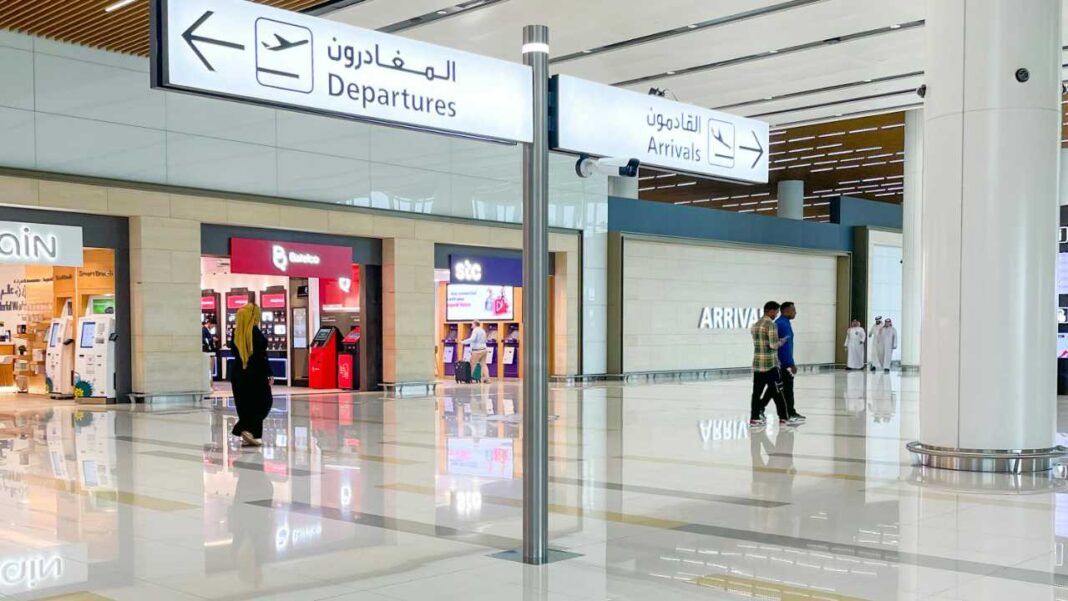

Within the Gulf’s busiest areas for airline movement lies the International Airport (KWI), which consists of both Kuwait Airways (KA) and Egypt Air (ES). Due to the massive number of cancelled flights, many passengers travelling to and from Kuwait had their travel plans disrupted as a result of the failure to accommodate them on flights due to long waiting lists.
Historically known as a stable hub consolidating travel between the Middle East, Europe, Africa, and Asia, the airport is presently sustained by a tenuous operational rhythm characterised by inconsistent availability, abrupt schedule changes, and the continued dissatisfaction of its customers.
Ripple Effects Across Multiple Major Airlines
Flight status and operation report data shows that there have been many cancellations and major disruptions on flights operated by both Kuwait Airways and Egypt Air along major travel routes, especially in the very popular Kuwait City to Cairo corridor. Due to changes to the schedule for both EgyptAir flight #611 and flight #621 and also to Kuwait Airways flight #541, many flights all around the world are suffering from either long delays or cancellations through no fault of the airlines. This incident is another example of the ongoing challenges to operational stability and scheduling being experienced by the majority of airlines in the industry.
The Kuwait-Cairo route is an extremely busy air bridge in the Gulf region, but it is currently experiencing significant disruptions, with dozens of weekly flights not operating as planned, resulting in late cancellations and rerouting from one destination to another.
Passengers are caught in a cycle of uncertainty regarding their travel plans
Travellers have witnessed the disruption to thousands of passengers who have been affected due to late and cancelled flights and long wait times to book new flights and/or flights booked during the disruption and then being diverted to flights from one location to another, etc. Business travellers travelling between financial centre(s) and migrants travelling to and from their home countries in North Africa, as well as tourists connecting through Kuwait, have all been particularly impacted due to these issues.
Airlines have also compounded the frustration of these passengers by taking long periods of time to communicate to passengers regarding refund timelines, future travel options, etc. The current environment highlights the fragile design of an air transport system with limited ability to adjust quickly to accommodate systemic disruption that can have severe implications on multiple carriers.
Regional aviation is experiencing lots of pressure, with both Egypt Air and Kuwait Airways being crucial to connectivity within the region but unable to operate at the level we normally expect. Kuwait International Airport (KWI) has been affected by turbulence at other local airports, as its location as an airport hub and high number of connecting flights mean even relatively small disruptions can cause an increase in delays and related issues for all international flights from KWI.
Some signs of recovery have recently started to materialise, with reports of AA and UA returning to hub-to-hub (H2H) service after a period of shutdown, but there is clearly a long way to go before they are considered back to normal operations.
The full flattening of the COVID-19 curve, however, will take some time, and having to deal with some cancellations during the transition period will continue to affect schedules.
I think the current situation highlights larger questions about the ability to cope with this level of disruption and sustain a quality product in an increasingly complex and highly interconnected aviation system whereby any changes to an airline’s operations could lead to major disruptions for its customers.
The aviation sector in Kuwait has long been viewed as an ideal place to serve as the anchor or dot on the map between Africa, Asia, and Europe; today it is trying to find its way through a chaotic environment as it attempts to successfully balance getting its operations back on track and continuing through an unpredictable future.
Planning for Future Travel
Passengers should stay alert to changes in travel plans and schedule on an ongoing basis, check for changes to their itinerary in real-time, and be prepared for ongoing flight cancellations or delays when flying with Kuwait Airways and EgyptAir.
As the aviation industry is working to return Kuwait International Airport to normal operations, this disruption serves as a reminder to the public at large that nothing, even the “strongest link in the chain,” can be disrupted without affecting other links in the entire global aviation network.