
The British Chambers of Commerce says that inadequate economic security is putting growth & jobs at risk.
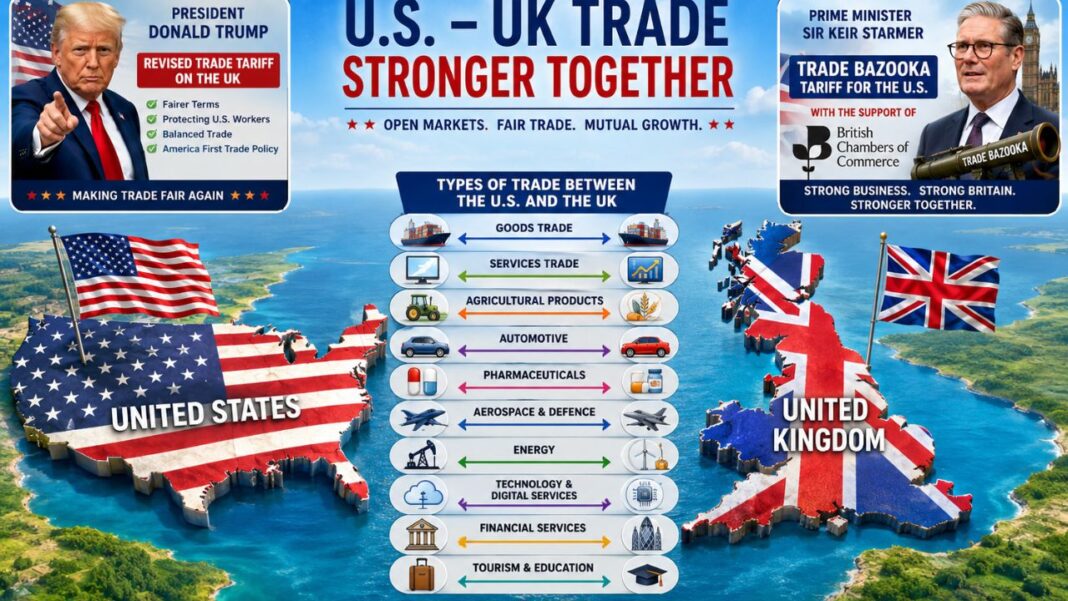
British business leaders have called on the government to build an EU-style ‘trade-bazooka’ to protect Britain’s economic interests. This is in response to the latest tariff threats from Donald Trump.
As transatlantic tensions surge, the British Chambers of Commerce shared that the UK’s ‘inadequate economic security’ was posing a risk to both growth & employment.
The lobby group, representing thousands of enterprises, urged Keir Starmer to take the lead in protecting Britain from external crises. They added that there had been ‘years of neglect by successive governments’.
Geopolitical tensions; the impact of Brexit; and the Covid pandemic, besides wars in Ukraine & the Middle East, meant that British enterprises were navigating an increasingly fraught global backdrop for international trade.
During mid-April ’26, the U.S. president threatened to impose ‘a big tariff’ on the UK unless the UK drops a digital services tax that impacts U.S. technology enterprises.
In a report setting out recommendations to aid an intended stop in the decline of British competitiveness in an increasingly unstable world, the BBC believed that urgent steps may be needed to protect enterprises from other countries’ punitive trade policies.
Among its top priorities was for the UK to mimic the EU by creating a ‘trade bazooka’. This was to deter other countries from making threats designed to bully Britain into changing its economic policies.
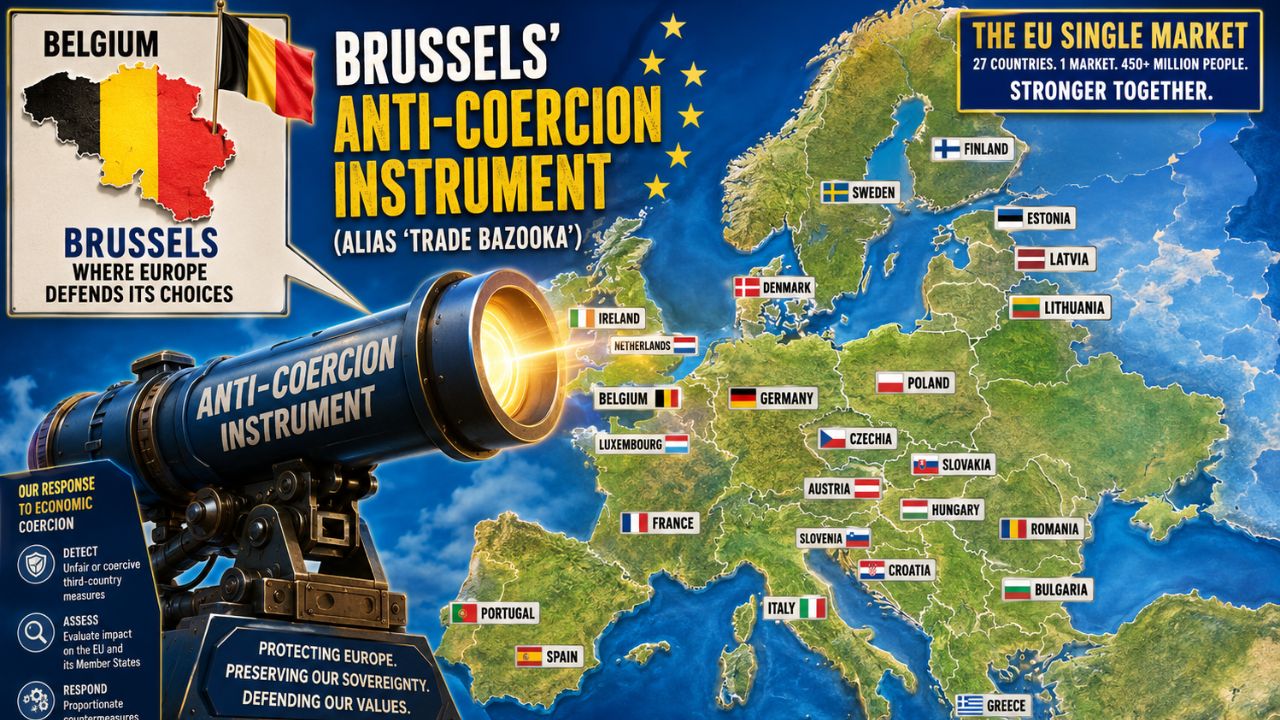
Brussels’ trade bazooka, better known formally as its anti-coercion instrument, enabled the bloc to impose sweeping restrictions on goods & services trade with the aggressor state.
These may involve access to public procurement programs other than financial markets. Additionally, the measures include restrictions on property rights and foreign direct investment.
The BBC also urged ministers to take a “robust approach’ to the EU’s Made in Europe agenda. That was to ensure that British businessmen had a role in wider European supply chains.