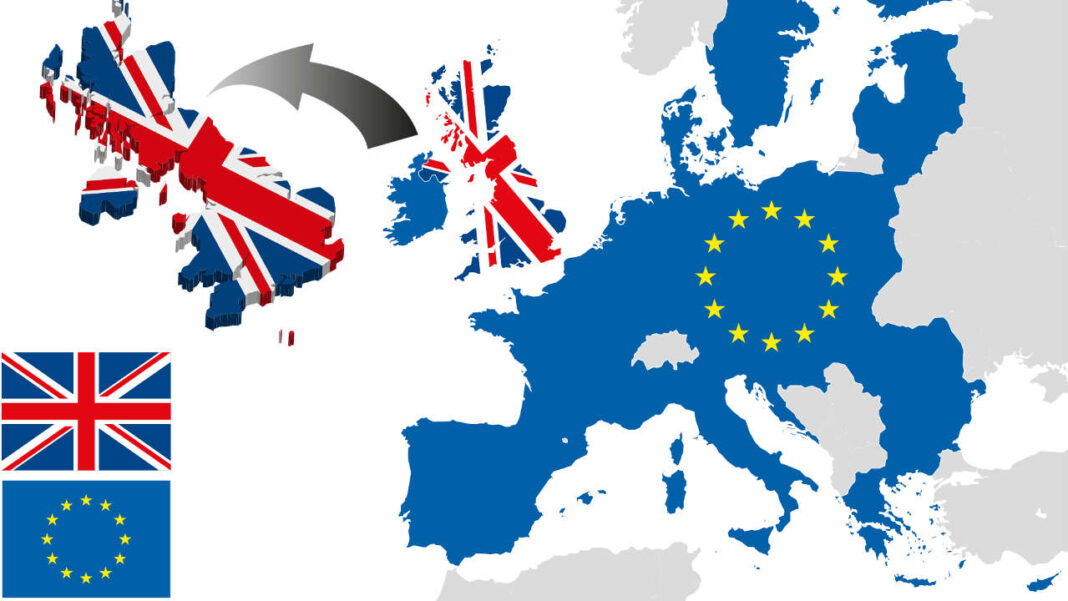
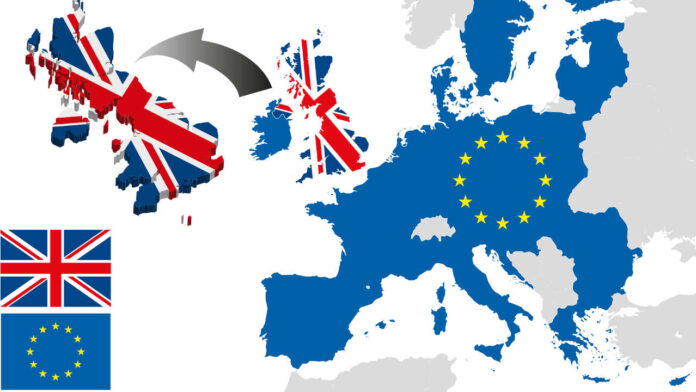

Britain intends rescheduling a summit with the European Union (EU) after the summer. It’s to press on with a reset in relations besides demonstrating that closer ties are ‘crucially important’ in volatile periods, said its EU negotiator on Wednesday, 1 July ’26, in Brussels when meeting EU trade chief Marcos Sefcovic. This was after an initially intended 22 July summit was postponed following the resignation of Prime Minister Keir Starmer. Nick Thomas-Symonds said he needed to offer assurance that technical work continued as Britain awaits its next leader, predicted to be Andy Burnham.
In an interview discussing agri-food, Thomas-Symonds told Reuters that linking emissions trading systems, besides a youth-mobility scheme, was ‘in a very positive position’. Delivering the summit package was his priority despite the ‘short delay’ until Starmer’s successor takes on his role.
The next step may be to sell it to Britons by highlighting the benefits of cooperation. This statement acknowledges the challenge posed by veteran Brexit campaigner Nigel Farage and his populist Reform UK party.
Farage’s party has maintained a healthy lead in almost every opinion poll for over a year, ahead of a national election expected in 2029.
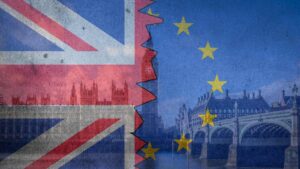
In a volatile world, we need closer cooperation
Thomas-Symonds, who led negotiations with the bloc for the past 2 years, said that an increasingly volatile world made closer ties between Britain and the EU important.
Symonds added that the broader point he was making about the importance of this relationship was the need to deepen cooperation moving forward, as it’s a very dangerous world that we find ourselves in.
However, proponents of Brexit have often stated that the UK’s exit from the EU was never properly implemented; hence, any positive aspects of the exit had severe roadblocks. Many pro-Brexiters argued that for a large part it was Brexit in name only. The ability for the UK to negotiate its own terms was a key aspect pro-Brexiters desired.