
Weather cycles threaten harvests worldwide. This would add to inflation already fuelled by the Iran war.
Economists are warning that a ‘super’ El Niño weather cycle this year may cause a severe shock to global food prices lasting through the next couple of years into ’28.
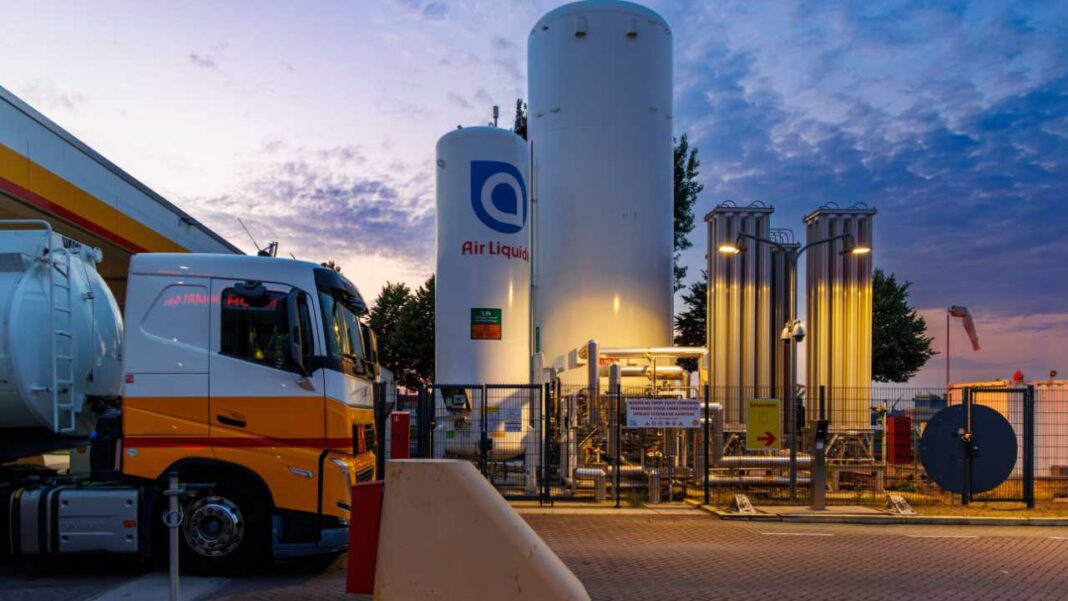
As the Iran war pushes up world food prices to the highest level in 3 years, economists say that supply chains experienced ‘2 simultaneous shocks’ stoked by extreme weather linked to global heating.
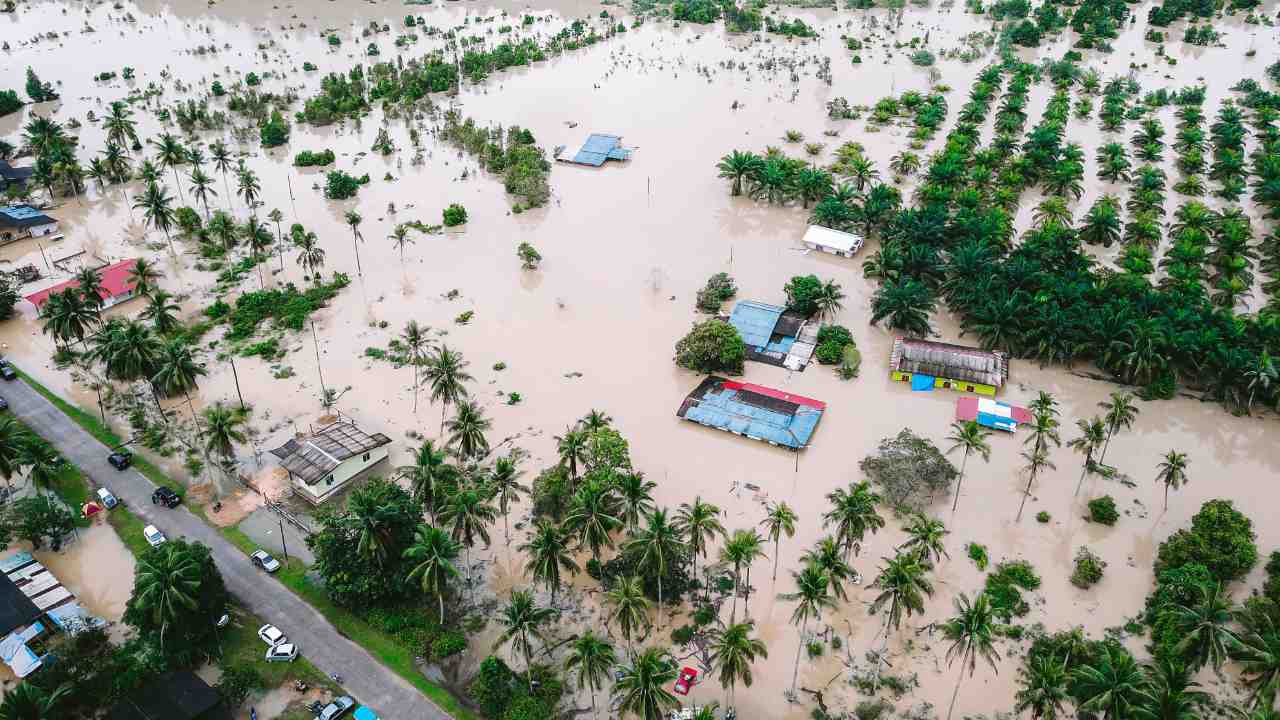
Scientists have predicted that the ’26-’27 El Niño, which forms when changes in wind patterns permit warmer water to spread across the central & eastern equatorial Pacific, has a historic, unprecedented chance of developing into a ‘very strong’ event, fuelling heatwaves and flooding besides stormier weather.
Informally described as a ‘super’ or ‘Godzilla’ El Niño, the U.S. National Oceanic & Atmospheric Administration (NOAA) confirmed last month that warming conditions were taking hold in the Pacific. Furthermore, there was a 63% chance of sea surface temperatures exceeding 2C above normal later this year.
Experts warn that an extreme El Nino could exacerbate the financial strain on global households already grappling with rising living costs. The prospect of a renewed inflation shock may also be rattling central banks. This situation adds concerns that interest rates may be kept at elevated levels.
El Niño puts “climateflation” back on the agenda. Analysts at the Italian bank UniCredit issued the warning, referencing a research note. The warning was issued by analysts at the Italian bank UniCredit, who cited a research note. Europe’s recent heatwaves are a clear indication that the climate baseline may already be shifting. El Nino may add a new layer of pressure later this year. This is because it amplifies the effects of global warming.
The naturally occurring phenomenon has a history of impacting both harvests and food supply networks. More than a century back, an El Nino that may probably have been the most severe on record prompted catastrophic droughts across China, southern Africa, Brazil, Egypt & India. The El Niño event caused famine conditions, which Colonial rule further exacerbated the famine conditions caused by the El Niño event. further exacerbated by colonial rule. Millions were killed, including more than 6 million people in India during a period spanning 2 years from 1876 to ’78.
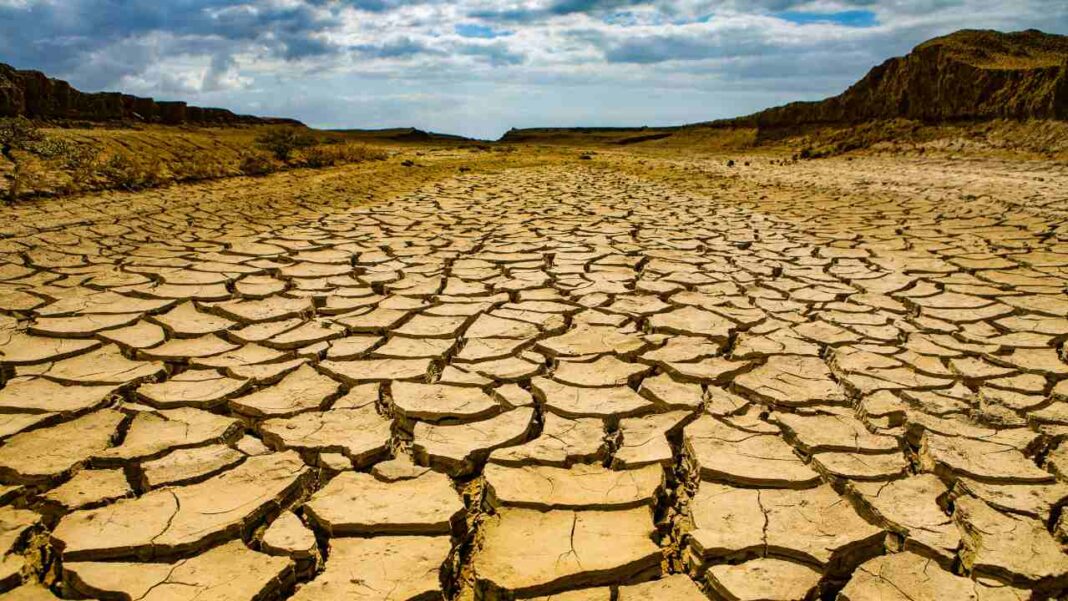
El Niño events in 1981-’82, 1996-’97, and 2015-’16, besides 2023-’24, have been some of the strongest on record. However, NOAA projections indicate the ’26-’27 cycle may be even more severe. This phenomenon elevates the risk of both droughts & flooding affecting harvests, besides the global food supply.
According to analysts at Goldman Sachs, the strength of this El Nino may cause a 15.8% surge in global food commodity prices. That may have a knock-on effect globally. This includes European consumers, for whom it is predicted food prices may rise by 1.3% across the Eurozone.
The full effect may take time due to how the cost of climate impact percolates through global food supplies. As a result, Goldman Sachs said that the consequences may take until the 2nd half of ’28 to be fully realised.
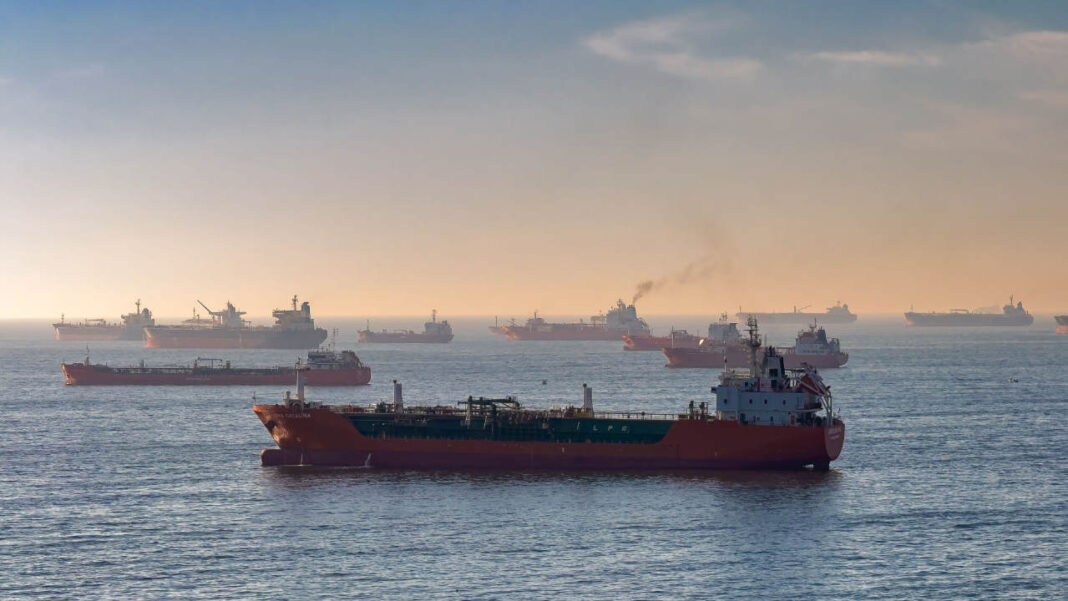
Most of the delay’s down to the timing of extreme weather hitting food production, given the differing planting, growing & harvesting cycles for varied types of crops. Logistical challenges that include water levels in canals & rivers used for key shipments may also have an impact.
Analysts at UBS said that El Nino may not affect agriculture uniformly. It reshapes global rainfall & temperature patterns, creating regional winners & losers. Some regions may stand to benefit from warmer weather conditions.
Analysts say that El Niño may compound disruption caused by the Iran war by adding food supply chain woes to already higher prices. Furthermore, shortages of fertiliser and energy supplies are predicted. Even modest supply disruptions may trigger larger price moves than historical patterns may imply, said the USB analysts.