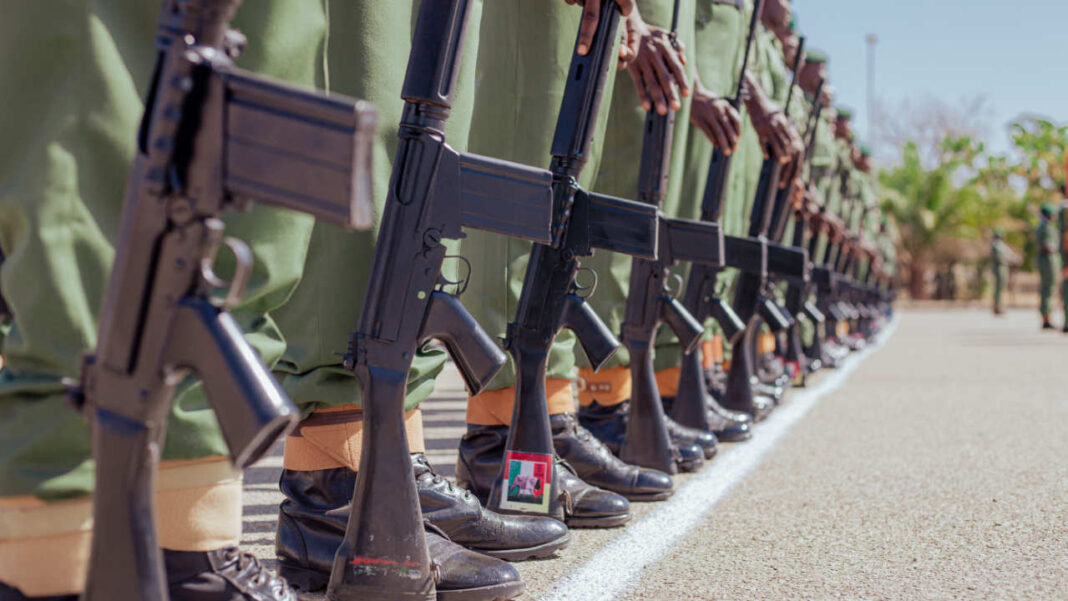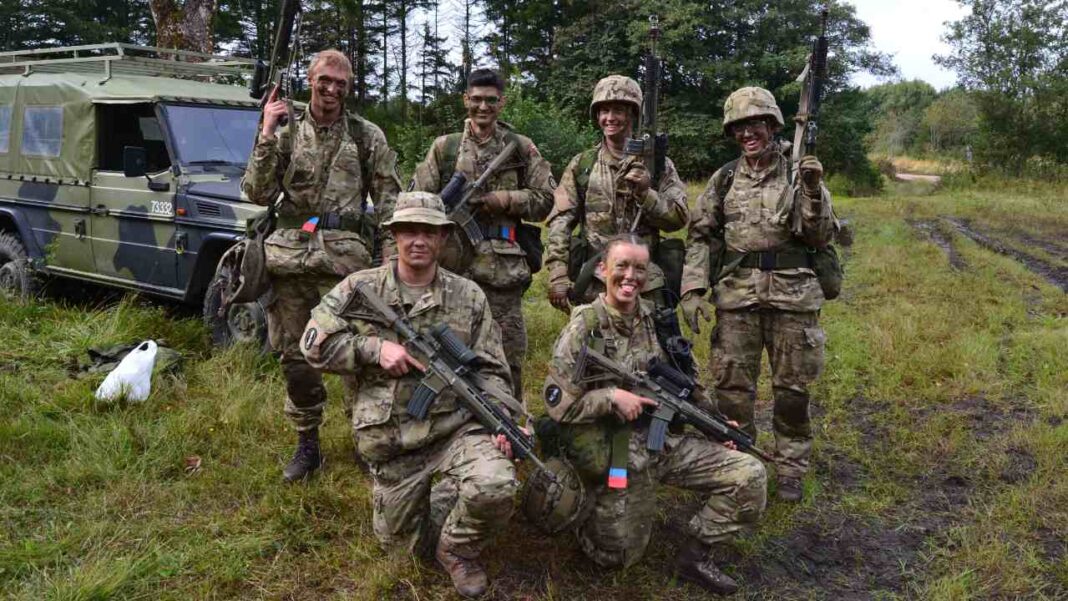

This activity started on Thursday, July 30, 2026, with eight trainers from the New Zealand Army, who have been sent to Timor-Leste to train a platoon comprised of female members of the Timor-Leste Defence Cooperation Program in Timor-Leste, Force (F-FDTL) working at the Baucau Military Base. The New Zealand Defence Cooperation Program in Timor-Leste, Forces indicated that the plan The New Zealand Defense Forces launched the plan in response to the F-FDTL’s request for training assistance. The New Zealand Defense Forces launched the plan after the F-FDTL requested assistance with training. The training will be implemented through a collaboration with Australia‘s Defense Cooperation Program in Timor-Leste by employing the experience of both countries and their regional credibility for the task.
The distinct feature of this operation is not only the training but also the environment. The instructors are highly experienced trainers from New Zealand who had also trained at Waiouru Military Camp prior to going abroad. The purpose of the training is very essential: strengthening the basic soldier skills that are needed in platoon action. As stated by Sergeant Tinelle Walker, this training will include weapons handling, doing section battle drills, radio telephone techniques, as well as navigation, and lots of other measures that are going to improve an operational capability of F-FDTL in the sphere.
Brigadier Jason Dyhrberg, Land Component Commander, views this deployment as an opportunity to maintain a connection with Timor-Leste. He sees it as an opportunity for the NZDF to continue its strong relationship with the country and to be able to contribute to the growing capability of the F-FDTL. The human aspect must not be overlooked: none of the New Zealand instructors has ever been deployed to Timor-Leste. Their mission will serve not only as a professional achievement but also as a cultural exchange. The instructors are willing to share their experiences in the most effective way while learning as much about the local culture.
In an environment where security collaboration is becoming reliant on faith as well as technology, this operation illustrates that some of the most important defense operations are carried out of the public eye—through education, cooperation and gradual transmission of abilities that may influence the future of the force.