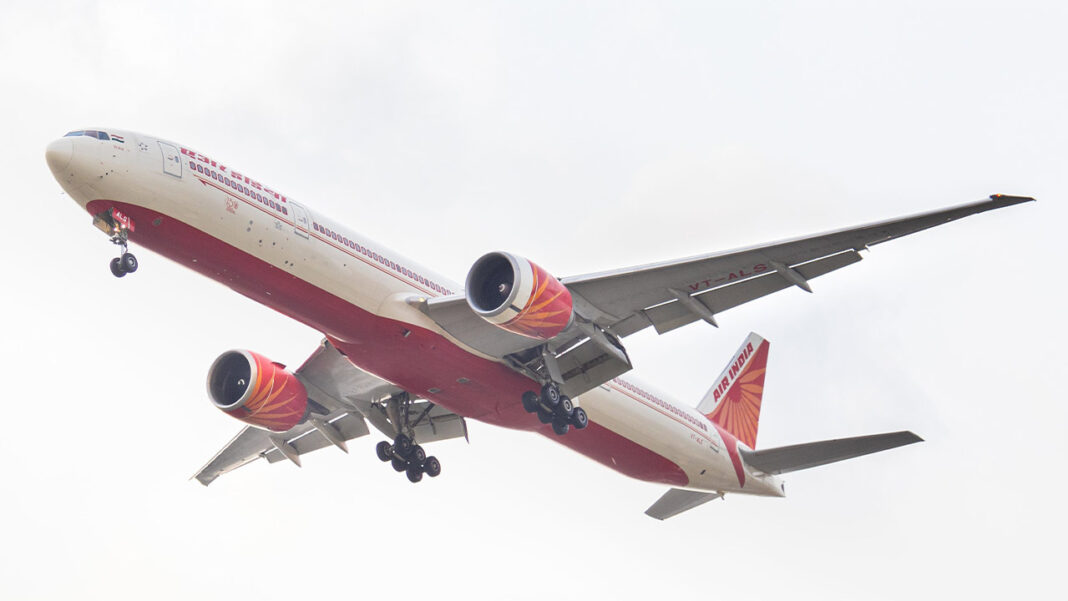

The return flight to Thailand, initially anticipated to be a routine trip, turned into a nightmare for passengers aboard the Air India flight on August 4, 2026. The aircraft took off normally and climbed to the cruising height when it suddenly descended close to 300 feet due to turbulence.
The event took place on August 4, 2026, when Air India flight AI2379, an Airbus A320 operating on the route of Phuket to Delhi, dashed into turbulence at the height of about 30,000 feet. In just a matter of seconds, the flight transitioned from cruising at a high altitude to a sudden drop, which caused both passengers and flight staff to be thrown around in the cabin.
Based on the information provided by Air India and the Indian aviation authorities, a total of 17 people were found to be injured, which included 13 passengers and 4 members of the cabin crew. A number of those who sustained injuries suffered neck and spine injuries from hitting the overhead cabin and ceiling. On the positive side, the flight crew managed to control the flight and land it safely at Indira Gandhi International Airport (New Delhi), where injured passengers were provided with medical assistance.
The experience lasted just a few minutes for the individuals onboard, but it felt like forever for the survivors. Some described how they thought the airplane was going to crash, while they heard screaming, saw luggage flying from the overhead compartments, and noted how people who were not strapped in were tossed out of their seats. Videos filmed after landing depict emergency personnel taking care of injured people, while ambulances remained on the tarmac.
The Directorate General of Civil Aviation (DGCA) in India has started an investigation into the incident, having seized the flight data and cockpit voice recording devices. Civil Aviation Minister Ram Mohan Naidu Kinjarapu has stated that the turbulence incident has lasted for about four to five minutes and has claimed that the investigators would analyze the weather conditions, flight data, and operational procedures of the crew.
Although modern airliners are designed to endure turbulence much worse than that experienced by the typical passenger, injury still occurs because people fail to wear their seatbelts. For years, aviation safety experts have emphasized that the best way to protect against unexpected turbulence is to remain buckled up at all times when seated, even when the seatbelt sign is turned off.
Turbulence is created by air movements that flow in an erratic manner due to the presence of thunderclouds, mountain waves, fast-moving winds, and sudden alterations in the atmosphere. Possibly the hardest obstacle that pilots must face is the unpredictable nature of clear-air turbulence, which cannot be detected by means of the onboard radar in regular conditions, making it difficult to prepare for its unexpected presence.
Severe turbulence events—such as the May 2024 Singapore Airlines Flight SQ321 incident over Myanmar, which involved rapid vertical G-force shifts and resulted in one fatality—highlight ongoing aviation safety challenges. While climate change research suggests certain types of atmospheric turbulence may become more frequent, airlines and aviation authorities actively work to protect passengers by advancing detection technology, mandating seatbelt protocols, and revising in-flight safety procedures.
Even with the awful descent, aviation specialists say that commercial flying is still one of the most safest ways of travelling. The excellent work of the cockpit and flight attendants of Flight AI2379 resulted in what could be a much worse disaster ending in a safe landing. This incident illustrates how significant aviation preparation, training, and careful following of safety protocols are in cases of unexpected disasters.