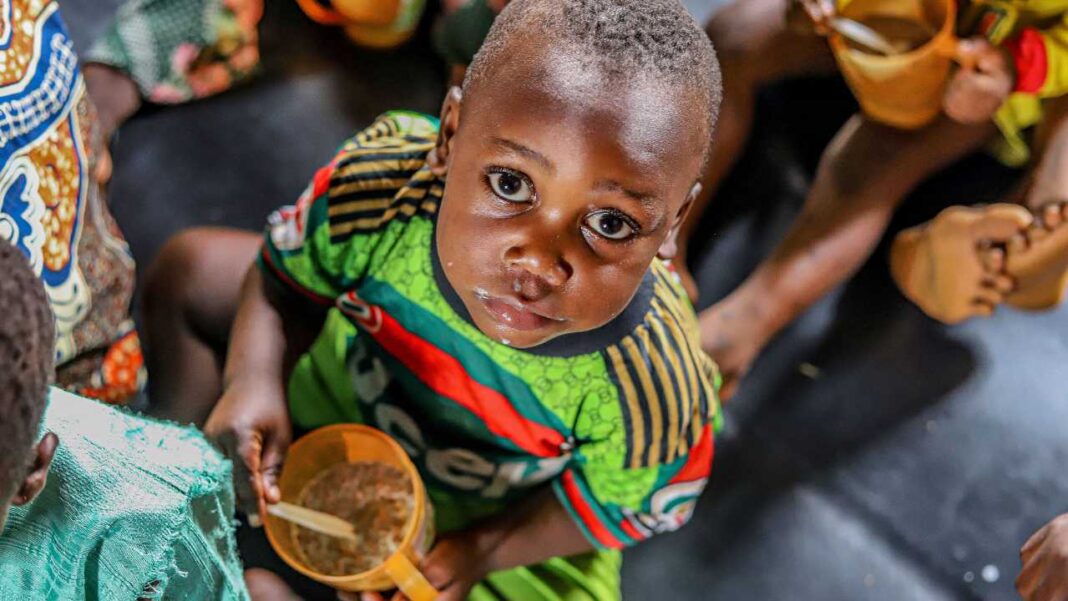

At least 31 African countries are expected to require external assistance for food due to the current food insecurity that has been present in Africa. This situation clearly highlights the ongoing pressure on food systems that has spread throughout the continent. The figure comes from the report ‘Crop Prospects and Food Situation,’ which was published in July 2026 by the Food and Agriculture Organization’s (FAO). The report ended up identifying ’41 countries and territories worldwide’ that require external food assistance. And among these regions are 31 nations that are located in Africa.
The warning comes at a time where communities all throughout Africa continue to face the combined effects of many issues. Among these challenges are conflict, extreme weather, and difficulties in economy and agricultural systems that are considered fragile. For many vulnerable households that undergo these issues on a daily basis, these pressures are reducing both access to food and the ability to produce enough crops and livestock that are barely sufficient to support their families.
The situation is especially serious in countries as well as territories that countries and territories affected by prolonged conflict face an especially serious situation. by prolonged conflict. The 2026 ‘Global Report on Food Crises,’ which was also produced by FAO, the World Food Program and other partners, identified that food insecurity had continued at an acute level widespread in 2025. It also confirmed that there were famines, which were present in parts of Sudan. Warnings were also given that the risk of famine remains in Sudan and South Sudan in 2026.
Another layer of uncertainty and instability that promotes food insecurity is added mainly through the unstable conditions of the climate. Extreme weather events, which result in long-lasting impacts, are a high contributor to the stark levels of food insecurity. Examples of these drivers are droughts, floods, and irregular rainfall, as they have the potential to end up damaging harvests, reducing pasture, and threatening livestock. FAO has also warned that possible El Niño conditions could also create another additional risk for agricultural production, while disruptions to shipping and international markets could further affect supplies of food.
Economic pressures are also gradually making the situation harder for countries as most regions are already struggling to respond. Rising food and energy costs can reduce household purchasing power, while governments facing high debt and limited financial resources have less capacity to provide the adequate support that is needed for vulnerable communities.
At the same time, international assistance itself is under heavy pressure as well. The International Monetary Fund (IMF) also reported that bilateral aid to sub-Saharan Africa fell by an estimated ’26 percent in 2025,’ while further reductions in development assistance could end up making it harder for governments and humanitarian organizations to respond to food emergencies that citizens are in deep need of.
The scale of Africa’s food-security challenge also shows how strong the longer-term weaknesses in agricultural systems are. FAO’s regional assessment states that Africa remains off track to achieve ‘Sustainable Development Goal 2,’ which aims to end hunger, achieve food security, and improve nutrition by the year 2030.
Therefore, experts say emergency food aid alone cannot solve the problem. Greater investment in agriculture, irrigation, climate-resilient crops, storage facilities, and rural infrastructure will be essential to strengthen local food production and reduce vulnerability to future shocks.
With 31 African countries currently requiring external food assistance, the challenge for governments and international organizations will be to provide immediate relief while also building much stronger and more resilient food systems that are capable of withstanding future crises.