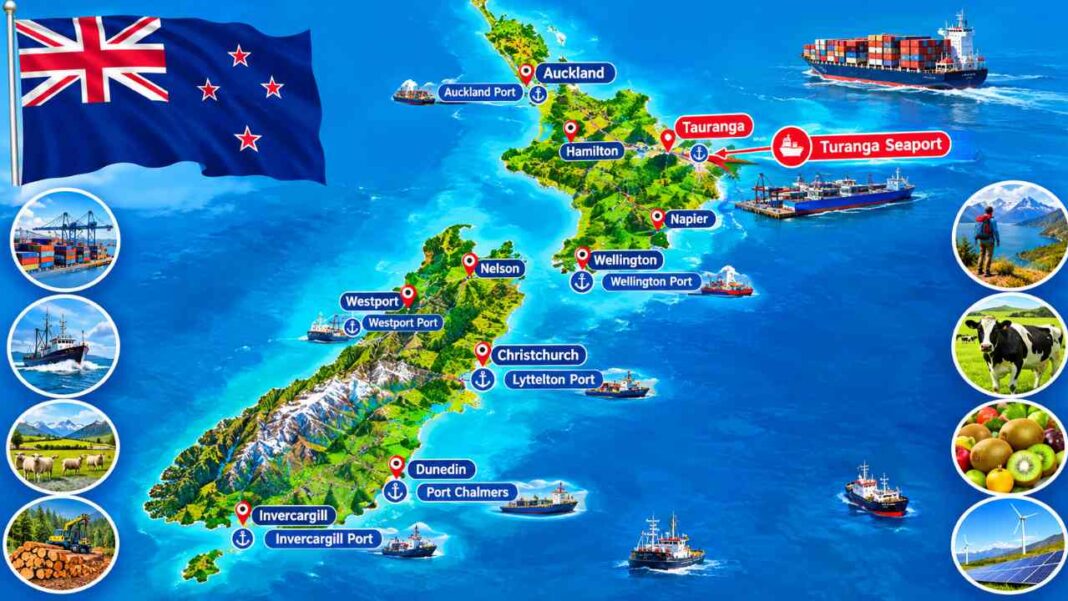
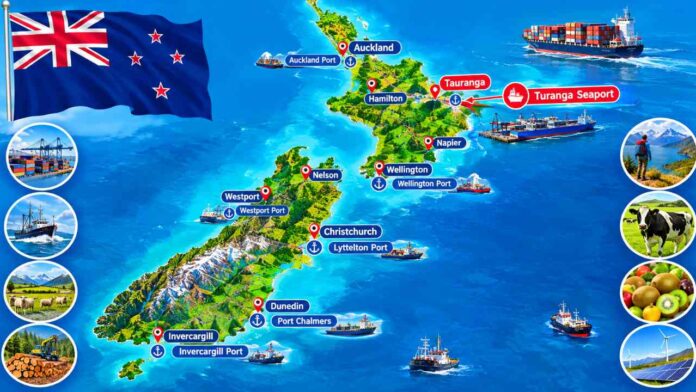

New Zealand (NZ)’s largest port is moving towards a major capacity upgrade after the Stella Passage project received approval through the country’s accelerated consenting system, opening the way for a substantial expansion of freight-handling infrastructure in Tauranga.
A long-running infrastructure proposal at the Port of Tauranga has reached a decisive milestone, with the Stella Passage development receiving fast-track approval as NZ seeks to strengthen the capacity and resilience of its international supply chains.
The approval, announced on Monday, 7 September 2026, places the project among the major infrastructure developments to pass through the Fast-track Approvals Act 2024. The government says Stella Passage is the 34th project to receive approval through the fast-track process. The independent expert panel granted the required approvals subject to conditions.
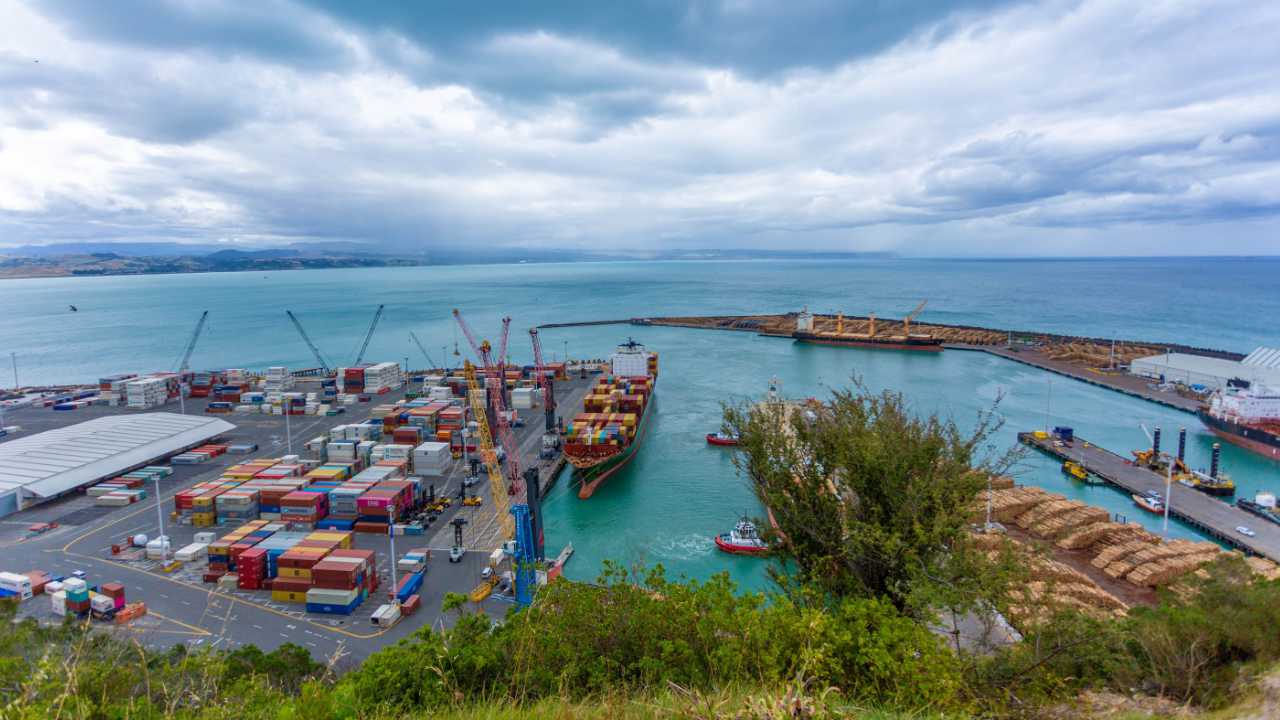
The development is significant because it is designed to expand the Port of Tauranga’s ability to accommodate future growth in containerised and general cargo. Rather than establishing an entirely new port facility, the proposal focuses on extending existing maritime infrastructure and improving the waters around the port.
According to information published by the port, the scheme involves a 385-metre extension of the Sulphur Point container berth, to be delivered in stages. A further 315-metre extension of the Mount Maunganui wharves forms another major element of the program. The development also includes dredging and reclamation of Stella Passage.
The practical objective is straightforward: create additional room for ships and cargo as NZ’s freight requirements continue to evolve.
For exporters, importers and logistics companies, the consequences may extend well beyond Tauranga. Port capacity is closely connected to the cost and reliability of moving goods internationally. When a major gateway operates close to its limits, delays, scheduling pressures and restrictions on vessel movements can become increasingly important commercial concerns.
The project therefore has been presented not merely as a port expansion but as an investment in the wider national supply chain.
Port of Tauranga has described Stella Passage as strategically important infrastructure capable of supporting future freight growth while improving supply-chain resilience and efficiency. The company has also argued that additional capacity may help lower costs for businesses involved in importing and exporting goods.
The timing of the approval is particularly noteworthy. Port of Tauranga lodged its latest application 9 months ago in January 2026, with the independent expert panel appointed to assess the proposal. Government statements say approval followed roughly 5 months after the panel began its work.
That relatively compressed timetable is central to the wider political significance of the decision.
NZ’s Fast-track Approvals Act was introduced with the intention of reducing lengthy regulatory delays for projects considered capable of delivering significant national or regional benefits. Stella Passage has consequently become another test of whether the new approach may accelerate infrastructure construction while retaining environmental and other safeguards.
The approval process has not been entirely straightforward. An earlier fast-track application had to be withdrawn following an issue associated with the legislation, after which an expert panel was reappointed. Port of Tauranga said in March that the replacement panel may begin work later that month, with a decision scheduled for September.
The final approval therefore represents the culmination of several stages rather than a sudden decision to proceed.
Environmental, cultural and community considerations have also featured in the assessment. The government and port have acknowledged the importance of protecting the values of iwi, hapū and the wider community, while the approval includes conditions intended to address potential effects.
That balance is likely to remain an important part of the project as construction planning advances. Major marine developments may generate economic benefits while also creating questions around dredging, reclamation, harbour ecosystems and cultural values.
The government’s decision comes as NZ faces the broader challenge of upgrading infrastructure that supports trade, regional development and economic productivity. For a country heavily dependent on international markets, the ability to move agricultural products, manufactured goods, consumer products and other freight efficiently is fundamental to economic performance.
Port of Tauranga occupies a particularly important position in that network. Increasing its capacity may give exporters greater flexibility. This is as shipping patterns change, besides global trade volumes fluctuating.
The next phase will shift attention from consenting to delivery. Approval removes a major regulatory barrier, but the construction programme may still require detailed planning, contracting, engineering work and compliance with the conditions attached to the decision.
For Tauranga, the project may ultimately reshape the port’s physical footprint and its ability to accommodate future freight demand. For NZ more broadly, Stella Passage provides a tangible example of the government’s attempt to move major infrastructure proposals from prolonged approval processes towards construction.
The significance of the decision, however, will ultimately be judged by what happens next. The fast-track approval establishes permission to proceed; the real test will be whether the promised additional capacity, supply-chain resilience and economic benefits materialise efficiently and responsibly.
With the regulatory green light now secured, the spotlight moves to the Port of Tauranga and the construction programme that will determine how quickly Stella Passage becomes operational infrastructure.