
A long-running dispute over wages, employment security, and workplace conditions has escalated into industrial action involving hundreds of Qantas ground workers, placing renewed attention on how Australia’s major airline manages its airport and freight workforce.
Employees connected with Qantas Ground Services (QGS), Australian airExpress (AaE) freight operations, and QantasLink services staged 24-hour stoppages on Wednesday, September 23, and Thursday, September 24, following months of negotiations with the airline. The Transport Workers’ Union (TWU) stated that the action was driven by demands for better pay, more secure employment, and improvements to workplace arrangements.
The dispute carries particular significance for freight operations because many of the involved workers handle cargo and regional aviation rather than Qantas’ mainline domestic and international passenger services. Reuters reported that the initial industrial action was scheduled for Wednesday in Victoria and Thursday across the remainder of Australia.
The union argued that workers should receive wage increases reflecting prevailing industry standards while gaining access to more permanent full-time positions. It also criticized the division of ground operations among various Qantas-related entities, stating that this structure creates disparities in employment arrangements and complicates efforts to establish consistent standards.
Meanwhile, Qantas has maintained that negotiations remain active. The airline stated it is committed to reaching an agreement with Qantas Ground Services employees, which would include annual pay increases and additional full-time opportunities. The company also noted that contingency arrangements have been developed to minimize the impact of industrial action on customers and operations.
The dispute follows a tumultuous history involving Qantas’ ground-handling workforce. During the COVID-19 pandemic, the airline outsourced the jobs of more than 1,800 ground workers—a decision that subsequently became the subject of extensive legal proceedings. In 2025, a court ordered Qantas to pay a record A$90 million (USD $63 million) penalty regarding the outsourcing matter, which Reuters reported was ultimately deemed unlawful.
For the Transport Workers’ Union (TWU), that history remains central to current negotiations. The union has called for greater employment security and the consolidation of workgroups operating under different subsidiaries, arguing that fragmented employment structures make it more difficult to maintain consistent pay, career opportunities, and workplace protections.
The union’s position has been heavily linked to ongoing concerns regarding safety and staffing levels. Transport Workers’ Union (TWU) National Secretary Michael Kaine stated that workers did not take the decision to strike lightly, maintaining that employees involved in critical airport functions deserve stronger employment protections. While these claims represent the union’s stance in the dispute, Qantas has continued to argue that negotiations through the Fair Work Commission (FWC) remain constructive.
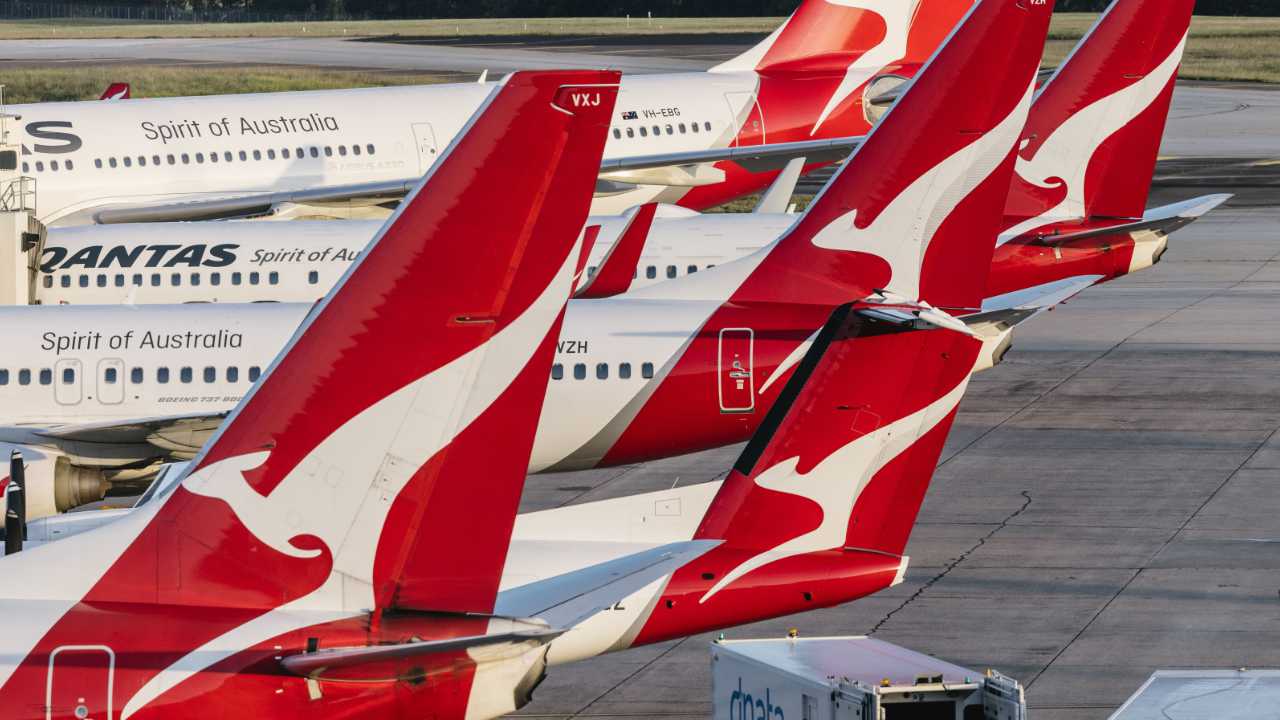
This industrial action has also highlighted the operational distinctions between Qantas’ various divisions. According to ABC reports, the affected workers principally support Qantas Freight, with a smaller contingent connected to QantasLink operations at Sydney Airport. These employees do not normally service Qantas’ mainline domestic and international operations, nor do they support QantasLink services at other Australian airports.
Nevertheless, disruptions to freight operations could have consequences extending far beyond the airport itself. Cargo handling is a vital component of supply chains serving both businesses and consumers, and Australia Post shipments frequently pass through these aviation freight networks. Consequently, the possibility of work stoppages has raised significant concerns over delivery schedules, even as mainline passenger operations are expected to continue relatively normally.
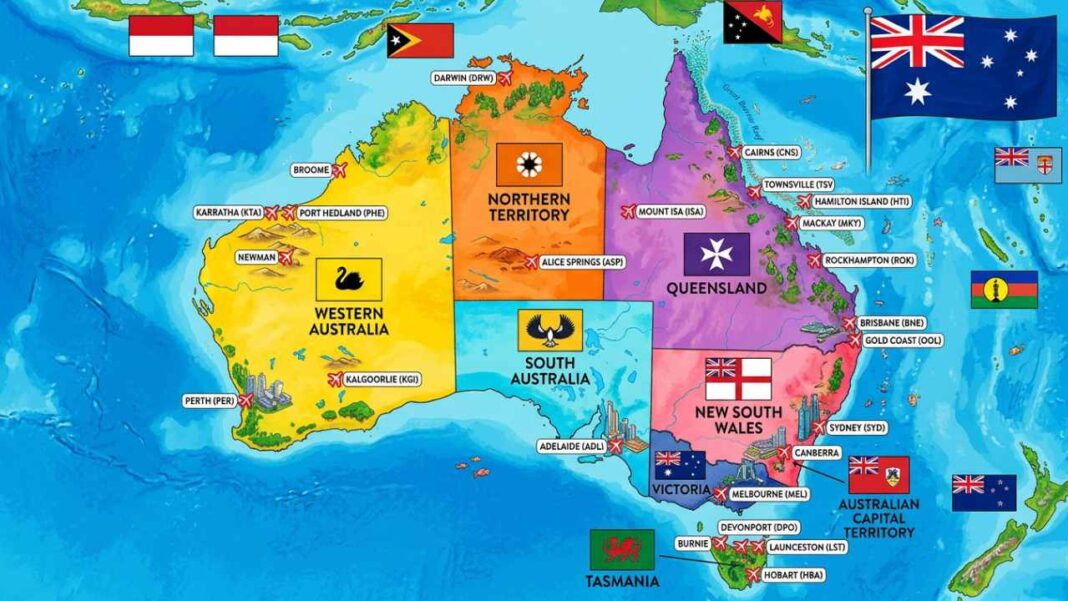
The impact became visible on September 24 when workers conducted a 24-hour strike at Sydney, Brisbane, Adelaide, and Perth airports. Reuters reported that the industrial action involved Qantas Ground Services (QGS), Australian airExpress freight workers, and QantasLink employees. In Sydney, separate industrial action by airport security workers added further pressure to airport operations.
The ABC reported that Sydney Airport advised travellers affected by the separate security stoppages to allow additional time for their journeys, while Qantas stated that its contingency plans were intended to minimise disruptions.
The dispute now moves into a potentially critical phase for both sides. For the workers and the Transport Workers’ Union (TWU), the immediate question is whether further negotiations can deliver higher wages and more secure employment without the need for additional stoppages. For Qantas, the challenge is to sustain reliable freight and regional operations while reaching an agreement that is acceptable to the employees covered by the negotiations.
With discussions continuing through the Fair Work Commission (FWC), the outcome may have far-reaching implications beyond the current dispute. The core issue is not simply the size of future pay increases, but rather how Qantas structures its ground workforce, distributes employment opportunities, and manages labor requirements across its freight and regional aviation businesses.