


Accra Ghana (Commonwealth Union)_When your mother says, “Eat your beans,” she really knew what she was talking about. In Africa, the humble bean, which is rich in nutrition and has an expansive variety in its crop portfolio, is getting a facelift. The hyacinth bean, better known as the lablab bean now has a fully sequenced genome which makes it climate resilient and will strengthen food security in drought-prone Africa.
The lablab plant is native to Africa but has for long been considered an ‘orphan crop’; an indigenous species most often ignored in the local nutrition and livelihood value chain. But this highly nutritious beans can be used for food as well as livestock feed, besides being very drought resilient. A wider cultivation of the crop therefore will augment nutritional and economic benefits including food security and improve soil fertility by fixing its nitrogen which the plant is famed for. The plan also has medicinal properties and contains compounds that could be used in the pharmaceutical industry.
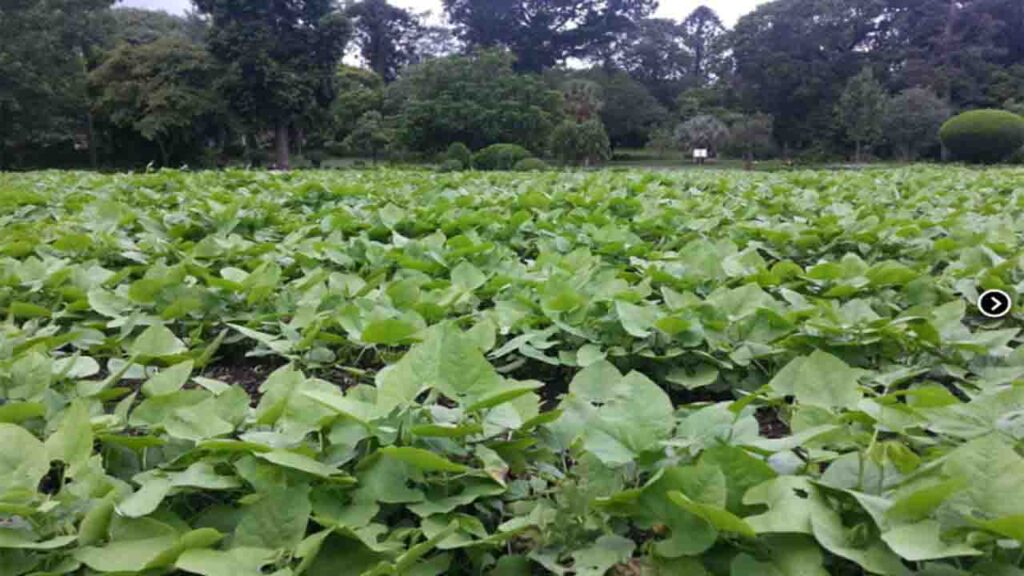
The plant is extremely adaptable to any environment and the vagaries of the weather which Africa is constantly battling; this suggests that it has high genetic diversity. This means that different genotypes can be selected for different environments and climates. The potential is massive and could be the panacea for Africa’s climate woes.
For farmers, lablab is a god-send. Struggling to produce sufficient food while battling numerous challenges can be very demoralizing, not to mention economically tough. The economic output in the value of the crop is incredibly high which enables farmers to gain sufficient earnings while also having plenty of produce to add to the food supply chain.
Researchers have identified some important agronomic traits including yield, seed and plant size. The lablab bean also possesses a trypsin inhibitor gene which inhibits a key enzyme in the human digestion process, which means anti-nutritional properties can be reduced.
While wheat, rice and corn comprise over 40 percent of the global calorie intake and therefore the most amount of crop and breeding improvement efforts, the lack of diversity in the global food system also means that it remains vulnerable to environmental and social instabilities. Orphan crops like lablab need to brought into the supply chain and hold the key to diversified and climate-resilient food systems. The genome-assisted breeding programme holds significant potential in improving productivity and adoption.