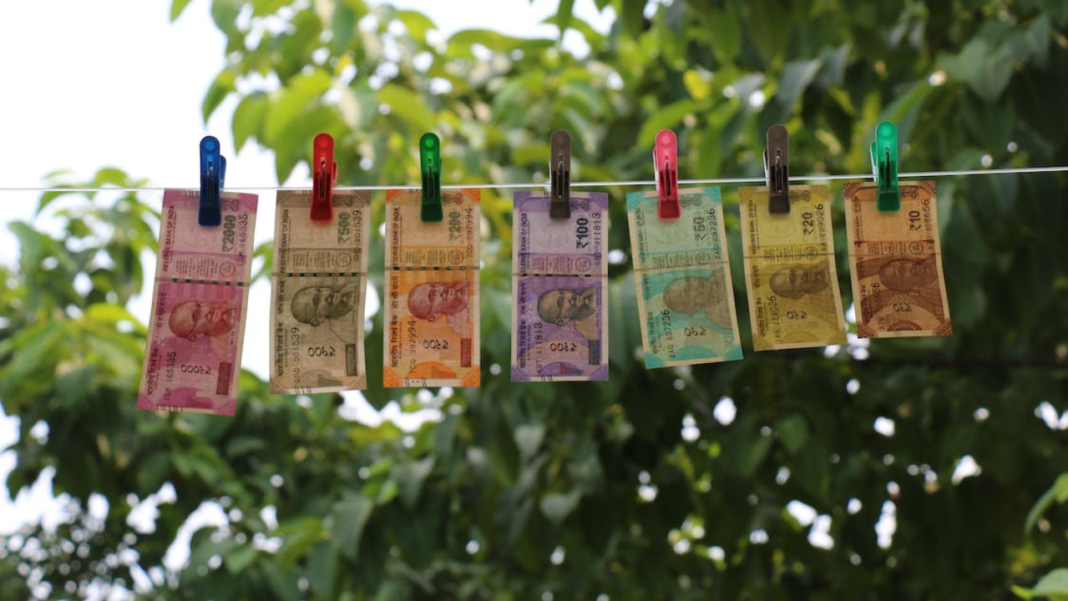

India (Common Wealth) _ Due to a stronger US dollar and a significant increase in crude oil prices, the rupee witnessed its largest monthly decline.
According to Bloomberg statistics, the rupee slipped 29 paise to Rs 83.04 against the dollar on Tuesday. Similarly, on August 2, it fell by 33 paise.
This depreciation can be ascribed to the overall strength of the US dollar as well as a considerable increase in crude oil prices, which have risen by more than 10% to $85 per barrel, according to Jateen Trivedi, VP research analyst at LKP Securities.
Crude oil prices have risen to a 10-month high as Russia and Saudi Arabia extended supply limits until the end of the year. When the rupee falls in value, its purchasing power in other countries falls. As a result, the prices of imported products and services rise, making them more expensive for domestic customers.
Over 80% of India’s crude oil is imported, and the decreasing rupee has the greatest influence on inflation. The Indian rupee fell 0.4% on Tuesday, September 5, while the dollar index increased by the same amount. Apart from expected dollar outflows, economists told the business daily that the rupee’s decline may be due to Asian currency weakness.
The slowing performance of China’s economy is raising new concerns about the country’s economic growth. The Chinese economy’s Caixin service PMI data, released on Tuesday, was lower than the previous month, placing pressure on Asian currency markets, according to Nirpendra Yadav, senior commodity research analyst at Swastika Investmart.
According to Trivedi, the rise in the dollar index reflects anticipation of an upcoming interest rate hike, which is hurting currency markets, particularly the rupee.
Analysts believe that the Federal Reserve’s meeting later this month will have an impact on the rupee’s movement. The recent increase in the US dollar has caused Asian currencies to fall to their lowest levels in months, prompting Japan and China to take action to defend their exchange rates.
Japan issued a strong warning about the yen’s precipitous slide on Wednesday, and their senior currency official indicated that if speculative trading continues, they are prepared to act. Around the same time, China’s central bank issued unusual guidance by raising the yuan’s daily reference rate to a level not seen since 2007.
Positive economic data in the United States has encouraged some traders to anticipate that the Federal Reserve will keep interest rates higher for an extended period of time. As a result, the dollar has strengthened and an index of Asian currencies has fallen to its lowest level since November. As a result, governments in the area, who had been depleting reserves to defend their local currencies last year, are now preparing to confront negative speculators.
According to Vijay Kannan, a macro analyst at Societe Generale in Singapore, the anticipation of extended higher US rates is raising pressure, making investors more cautious. Because of the large difference in interest rates and greater vulnerability to a poorer Chinese growth outlook, Emerging Asia is more vulnerable to the strong dollar.
Rising oil prices have also rekindled concerns about greater inflation, eroding the notion that Asian central banks had done hiking interest rates, making local currency bonds less appealing. The grim economic picture in China, which has been plagued by negative data for several months, dampens confidence toward emerging-market currencies.
Among Asian currencies, both the yen and the yuan have performed poorly this year. While Japan has abstained from more aggressive currency support measures, China has already strengthened the yuan by instructing state-owned banks to sell dollars and limiting offshore liquidity to compress short currency positions.