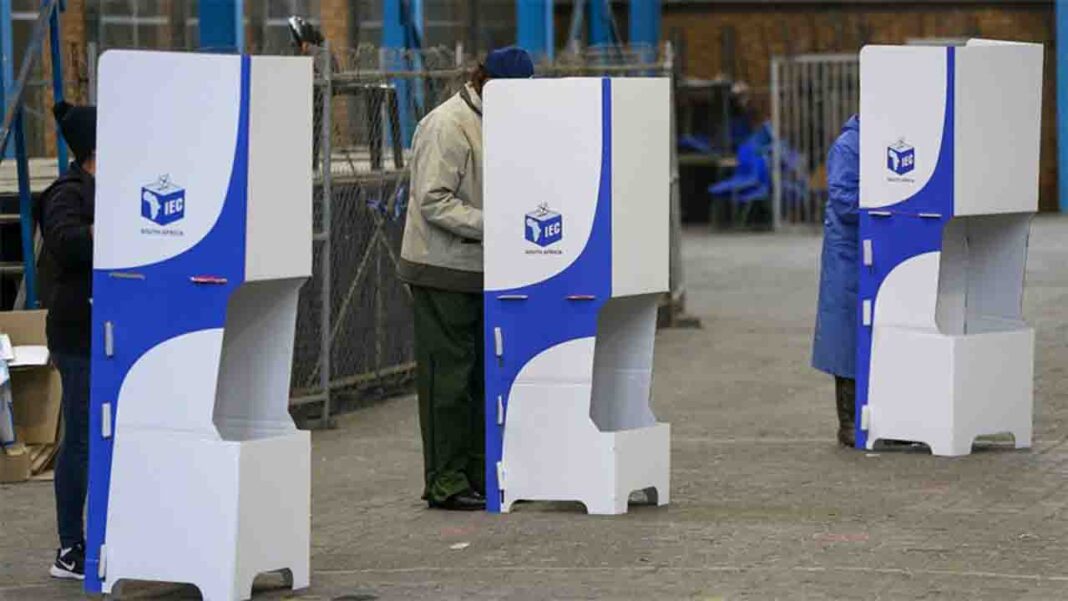

Africa (Commonwealth Union) _ South Africa is facing a potential election legitimacy crisis due to a significant decline in voter turnout over the years. Since 1999, the country has experienced a 23% decrease in voter participation. Frustration with the ruling party has contributed to this decline, as voters become apathetic and uncertain about alternative choices. South Africa lacks a robust civic education and participation program to engage the public between elections, raising concerns about the quality of future elections if this trend continues.
Compulsory voting is practiced in about 13% of countries globally, including Australia, Belgium, Brazil, Singapore, and Switzerland. In these countries, mandatory voting is seen as reflecting a moral duty to participate in the democratic process, rather than a fear of punishment for non-compliance.
Advocates for compulsory voting argue that higher voter turnout leads to more legitimate election outcomes, has educational benefits, and reduces campaign spending by political parties. Critics, however, argue that it infringes on citizens’ freedom of choice, may result in increased invalid votes, and could lead to disengaged voters simply fulfilling their duty without considering their choices carefully.
One challenge in South Africa is the lack of formal civic education in public schools, making it difficult for citizens to understand their rights and responsibilities in a democracy. Civil society organizations, political parties, and civic groups face the task of educating citizens on the importance of participating in democracy, especially in remote areas with limited access to information.
The Independent Electoral Commission (IEC) in South Africa is underfunded, limiting its ability to conduct widespread education programs. To address these challenges, political parties and decision-makers may need to focus on strengthening civic education efforts and making it easier for citizens, particularly those with limited access to resources, to participate in decision-making at all levels of politics. Whether compulsory voting should be considered and whether it infringes on democratic freedoms may require a national referendum for the people to decide.