
The shift towards sustainable transportation is driven by the urgent need to combat climate change and reduce carbon emissions. Electric vehicles (EVs) are leading this charge, but the landscape is more diverse and dynamic than just the rise of electric cars.
- Electric Vehicles (EVs): A Game-Changer: EVs have gained significant traction in the sustainable transportation landscape. Their popularity stems from several factors. Firstly, EVs have a lower environmental impact compared to their gasoline or diesel counterparts. They produce zero tailpipe emissions, reducing air pollution and greenhouse gas emissions. This is crucial in the global fight against climate change.
- Economic Benefits: In addition to environmental advantages, EVs offer economic benefits. The operating costs of electric vehicles are considerably lower than traditional internal combustion engine (ICE) vehicles. They require less maintenance, and the cost of electricity is often significantly cheaper than gasoline or diesel.
- Diverse Electric Fleet: The future of sustainable transportation is not confined to passenger cars. Electric technology is expanding to encompass a diverse range of vehicles, including electric buses, trucks, and even electric bicycles. This broad adoption of EVs across various transportation sectors is essential in reducing emissions and promoting sustainability.
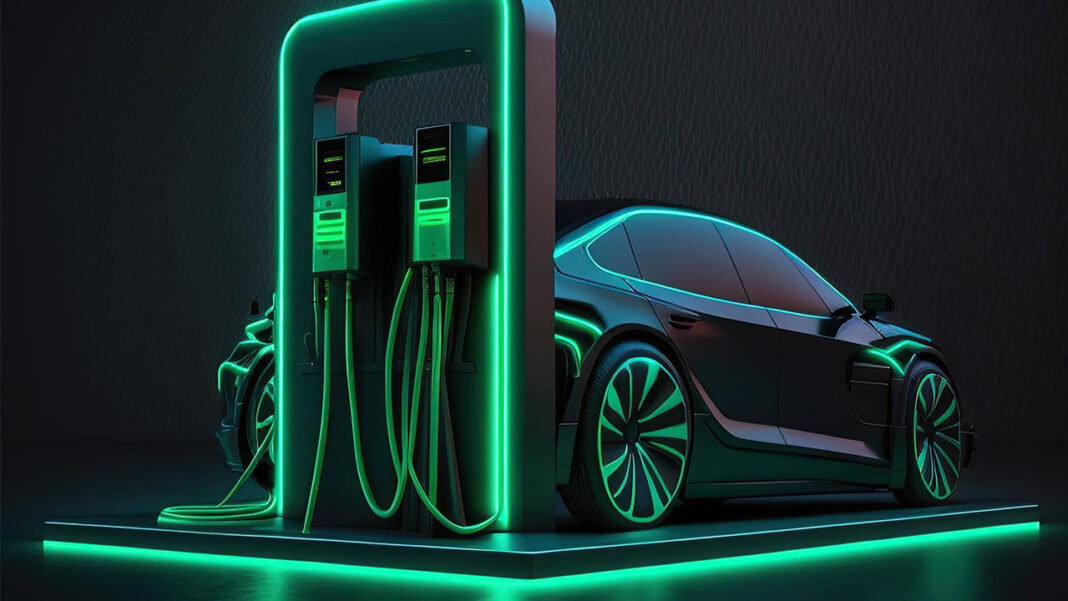
- Charging Infrastructure: To support the growth of EVs, the development of a robust charging infrastructure is crucial. Efficient charging networks are essential to address the range anxiety that some EV owners may experience. Governments, businesses, and communities are investing in charging stations to encourage electric vehicle adoption.
- Beyond EVs: Innovations in Sustainable Transportation: While electric vehicles are a driving force in sustainable transportation, the future extends beyond just electrification. Innovative solutions, such as autonomous vehicles and ride-sharing platforms, are optimizing transportation efficiency. These technologies have the potential to reduce the overall number of vehicles on the road, leading to reduced congestion and environmental benefits.
- Alternative Fuels: Sustainable transportation is not solely reliant on electric power. The development of alternative fuels, such as hydrogen and biofuels, plays a pivotal role in reducing carbon emissions and decreasing dependence on fossil fuels. These alternatives offer a bridge to a cleaner future for transportation, especially in sectors where electrification may not be immediately feasible.
- A Holistic Approach: To address the pressing environmental challenges, the future of transportation demands a holistic approach. This encompasses not only advanced technology and vehicle electrification but also infrastructure development and alternative fuel options. Combining these elements is crucial in achieving sustainable and eco-friendly transportation systems.
In summary, the future of sustainable transportation is marked by a significant shift towards electric vehicles, as well as a diverse range of sustainable options, including innovative technologies and alternative fuels. This multifaceted approach is essential to tackle the environmental challenges we face today and build a more sustainable and eco-friendly future for transportation.