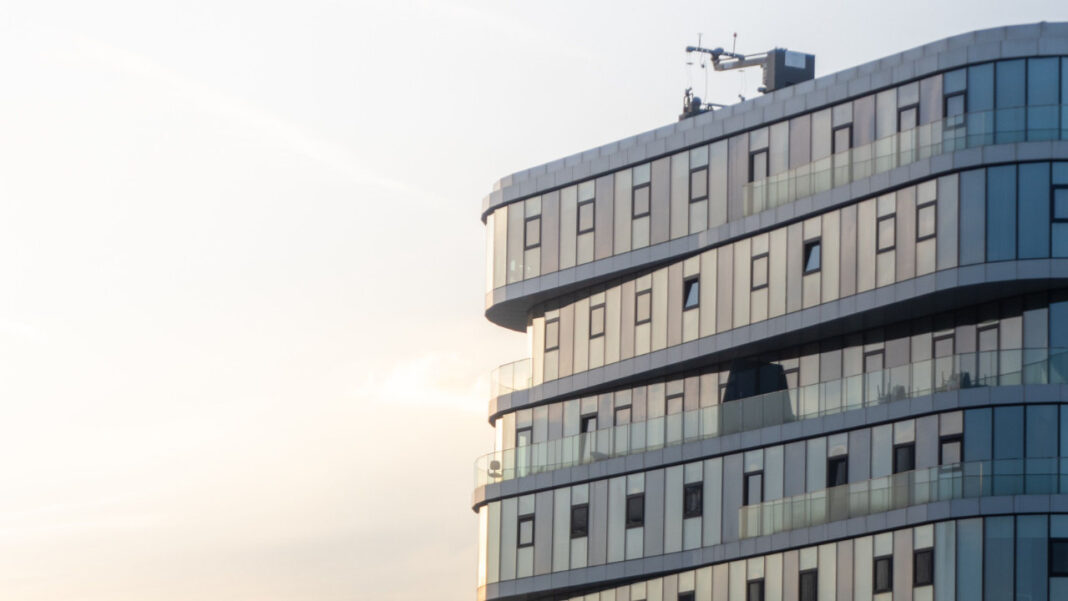

The landmark sale of Asia Square Tower 2 in the second quarter of 2026 feels like another defining moment for Singapore’s premium commercial real estate market, you know, the whole “real estate” story. The S$2.476 billion transaction involving the Grade A office tower in the Marina Bay financial district really underlines how investor confidence in Singapore is staying strong as a kind of global business hub.
The buyer is IOI Properties Group Berhad. The transaction was conducted through the Singapore subsidiary, while the seller was CapitaLand Integrated Commercial Trust (CICT), Singapore’s biggest REIT. The purpose of this transaction was a larger initiative by CICT to recycle its capital from older investments into new high-growth businesses.
The Asia Square Tower 2 stands in the prestigious Marina Bay financial district and has been known as one of the best office buildings in Singapore. The project occupies a vast business center that attracts large multinational companies, financial organizations, and high-value commercial projects. Its sale means that real estate investors still consider the strategically positioned office buildings that have a strong demand among tenants and excellent income potential.
The deal was not just an asset sale—it was significant portfolio restructuring. CICT said on the 20th of April 2026 that the money coming in from the sales of Asia Square Tower 2 will partly go toward funding its purchase of the Paragon shopping center. Paragon shopping center is one of the more recognizable luxury shopping and mixed-use retail spaces in Singapore, and the deal price is S$3.9 billion, which is close to US$3 billion.
This policy shift seems to match a wider pattern you can see with institutional investors and real estate investment trusts, or REITs. They are increasingly diversifying. Investors are not just sticking to the usual office assets. Instead of leaning only on commercial office properties, investors are sending capital across a broader range of sectors: retail, healthcare, hospitality, and other assets that generate income.
As CapitaLand Integrated Commercial Trust (CICT) put it, this diversification approach supports portfolio resilience. It does so by spreading exposure across different asset classes. Each property sector has its own market rhythm, risk landscape, and income levers. So a more balanced mix can better handle swings in any one segment while still backing steadier long-run returns for investors, too.
The agreement was concluded in an impressive time for the real estate investing industry in Singapore. As per Colliers, investments in real estate reached almost S$16.6 billion (around US$12.6 billion) in 1Q 2026, which is a new record in terms of quarterly performance, boosted by the growing demand for top-notch commercial properties. At the same time, market experts noted that S$35 billion was spent on property deals in Singapore in the first half of 2026, thanks to several important commercial transactions.
Moreover, the Asia Square Tower 2 transaction teaches another lesson: that marked by hybrid working, Singapore’s commercial property sector remains strong in the global context. Investors are getting more and more selective as they take a greater interest in properties with excellent locations, sustainable technologies, high occupancy rates, and constant returns.
The sale of Asia Square Tower 2 is therefore more than just a significant property transaction but a testament to Singapore’s ability to reinvent its commercial real estate market. Global capital strives to find some sort of security and quality, which makes Singapore show once again why it is among the most attractive places in Asia for institutional property investment.